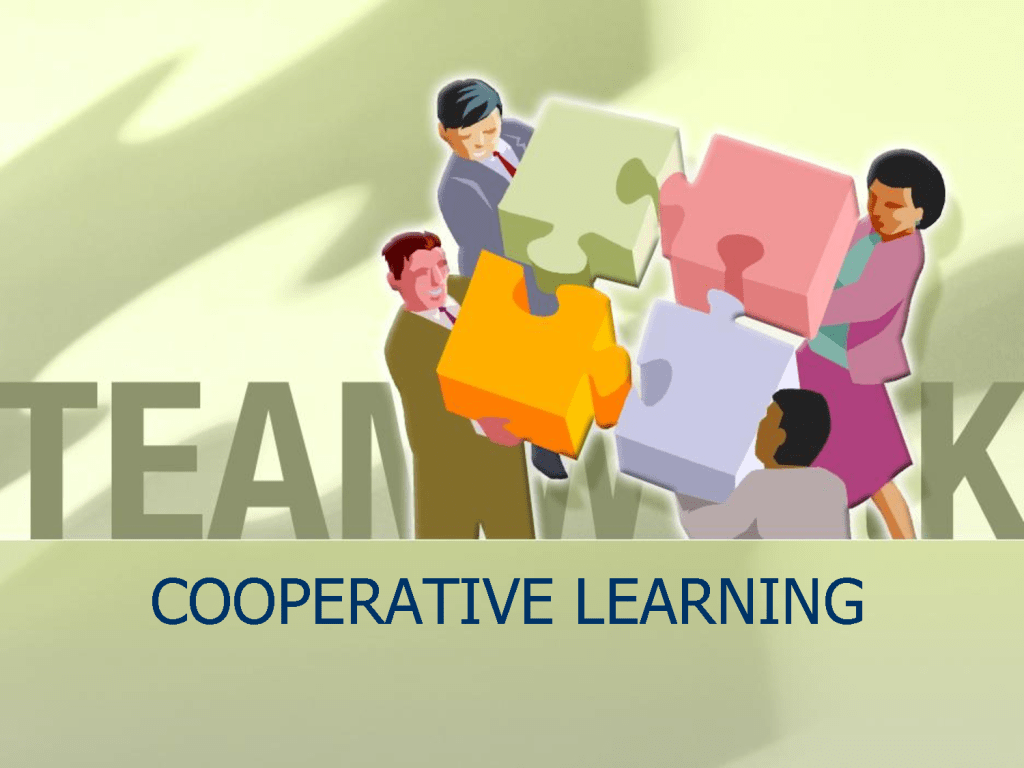
Cooperative learning has gained significant popularity in recent years as an alternative form of education. Co-ops, short for cooperatives, are educational programs that operate on the principles of shared responsibility and collaborative decision-making. In a co-op, parents or guardians actively participate in their children’s education by working together with other families to create a supportive learning environment. This unique approach offers numerous benefits to students and families alike.
1. Community Building: One of the key advantages of co-ops is the strong sense of community they foster. Families come together to support each other, share resources, and build lasting friendships. Students learn from one another through group activities and projects, promoting a cooperative mindset that extends beyond academics.
2. Parental Involvement: Co-ops emphasize active parental involvement in their children’s education. Parents play a vital role in planning and implementing curriculum, organizing field trips, teaching classes or workshops based on their expertise, and taking part in various administrative tasks within the co-op structure. This high level of engagement allows parents to have a direct impact on their child’s educational experience.
3. Individualized Learning: Unlike traditional classrooms where teachers must cater to the needs of an entire class at once, co-ops often offer more personalized instruction due to smaller student-to-teacher ratios. With input from parents who understand their child’s specific strengths and weaknesses, educators can tailor lessons accordingly.
4. Diverse Teaching Styles: In co-ops, parents bring diverse backgrounds and skill sets to the table when it comes to teaching subjects they excel in or have professional experience with. This variety allows students to benefit from different teaching styles and approaches while exploring various disciplines under expert guidance.
5. Flexibility: Co-ops typically offer flexibility in terms of scheduling since they are driven by parent participation rather than rigid school hours set by external authorities like traditional schools may have. This flexibility often accommodates families’ individual needs better than conventional education systems can, allowing for a more balanced work-life schedule.
6. Holistic Education: Co-ops often prioritize holistic education that goes beyond academic subjects. They emphasize the development of social skills, emotional intelligence, and practical life skills. By providing opportunities for students to engage in group projects, problem-solving activities, and community service initiatives, co-ops help foster well-rounded individuals.
7. Shared Resources: Co-ops encourage resource sharing among families involved in the program. This collaboration reduces the financial burden on individual households by pooling resources such as teaching materials, textbooks, and equipment. It also ensures that educational resources are accessible to all participants.
8. Parental Empowerment: In a co-op setting, parents have a say in shaping their child’s educational experience directly. Through active involvement in decision-making processes related to curriculum design or organizational matters, parents feel empowered and valued as partners in their child’s learning journey.
While co-ops offer numerous benefits for students and families alike, it is essential to acknowledge that they may not be suitable for everyone due to factors like availability or compatibility with individual lifestyles or philosophies of education. However, for those seeking an alternative approach that prioritizes community engagement and collaborative learning experiences within a supportive environment led by dedicated parents and educators – co-ops provide an excellent option worth exploring further.
 Alternative Amie
Leave a comment