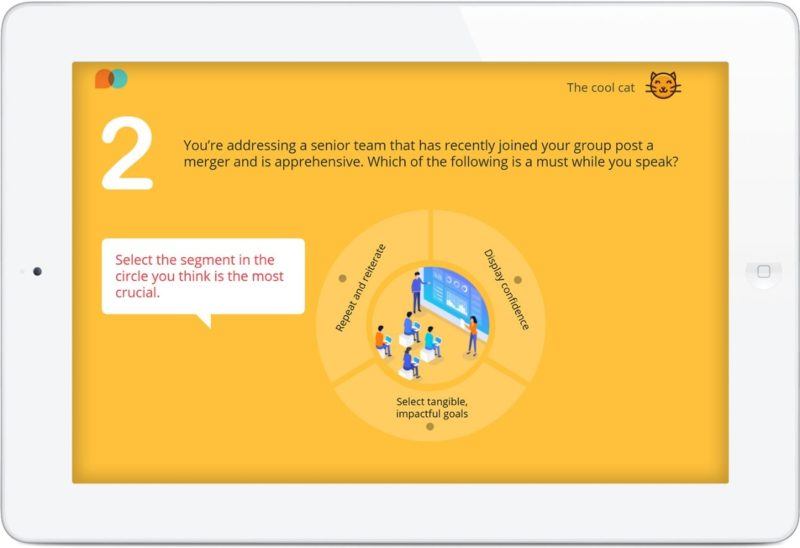
Gamification in personalized learning has gained significant attention in recent years as educators seek innovative ways to engage students and enhance their learning experiences. By incorporating elements of game design, such as rewards, challenges, and competition, into educational activities, gamification aims to make learning more enjoyable and motivating for students.
One key benefit of gamification is its ability to personalize the learning experience for each student. In a traditional classroom setting, it can be challenging for teachers to cater to the individual needs and interests of every student. However, with gamified personalized learning platforms or apps, students are presented with content that matches their skill level and allows them to progress at their own pace.
Moreover, gamification provides instant feedback on performance through badges or points earned during gameplay. This immediate feedback not only helps students track their progress but also encourages them to strive for improvement. The element of competition often present in gamified systems can also foster a sense of motivation among students as they strive to outperform their peers.
Peer-to-peer assessment is another powerful tool utilized in alternative schooling settings that promotes collaboration and critical thinking skills. In this method, students are responsible for evaluating the work of their classmates based on predetermined criteria or rubrics. Peer assessment not only relieves some of the burden from teachers but also encourages active engagement from all participants.
Through peer assessment, students develop valuable skills such as analyzing others’ work objectively and providing constructive feedback. Additionally, this approach enhances self-reflection skills by requiring students to evaluate their own work through the lens of someone else’s perspective.
Technology plays a crucial role in facilitating personalized education plans (IEPs) by offering various tools and resources tailored to meet individual student needs. With adaptive software programs that adjust content based on a student’s progress or preferences, technology enables educators to create highly customized IEPs that address specific areas where each student requires support or challenge.
Furthermore, technology allows for greater accessibility by providing alternative formats like audio or visual aids for students with learning disabilities. It also facilitates communication between teachers, students, and parents, ensuring seamless coordination and collaboration in the implementation of IEPs.
Personalized learning approaches have proven to be particularly effective for students with special needs. By tailoring instruction to their unique strengths and challenges, personalized learning helps these students reach their full potential. For instance, adaptive technology can provide additional practice opportunities or offer alternative strategies for concept mastery based on individual student preferences.
Additionally, personalized learning enables educators to focus on developing essential life skills such as self-regulation, social interaction, and problem-solving in a supportive environment. By providing opportunities for active engagement and hands-on experiences that align with each student’s interests and abilities, personalized learning fosters inclusive educational practices.
Homeschooling environments offer a unique opportunity for implementing personalized learning approaches due to their inherent flexibility. Homeschooled students can explore subjects deeply according to their own interests while still meeting academic standards. This approach allows for the integration of real-life experiences into the curriculum and encourages self-directed inquiry.
Cultural considerations play a pivotal role in designing effective personalized education strategies that respect diverse backgrounds and values. Acknowledging cultural diversity not only ensures inclusivity but also enhances student engagement by incorporating topics that are relevant and meaningful to them personally.
Personalized learning also extends beyond academic development; it plays a crucial role in fostering social-emotional development among students. By addressing individual socio-emotional needs within a supportive environment, personalized education promotes self-awareness, empathy, resilience, and emotional regulation skills.
Gifted and talented students often require more challenging content or advanced opportunities than what is typically offered in traditional classrooms. Personalized learning provides an ideal solution by allowing these students to accelerate through material at their own pace or delve deeper into specific areas of interest.
Balancing structure and flexibility is key in alternative education settings where individualization is prioritized. While it is important to provide freedom for students to explore their interests and pace, some level of structure is necessary to ensure that essential skills and knowledge are covered. Striking the right balance ensures that students receive a well-rounded education while still having the freedom to pursue their passions.
Personalized learning is not limited to traditional K-12 settings; adult learners in non-traditional environments can also benefit greatly from individualized education plans. Whether it’s through online courses, vocational training programs, or professional development opportunities, personalized learning allows adults to acquire new skills and knowledge at their own convenience and according to their specific goals.
Assessing creativity and innovation in personalized learning programs can be challenging due to the subjective nature of these skills. However, utilizing a combination of self-reflection exercises, peer evaluation, portfolios, presentations, and project-based assessments can provide valuable insights into students’ creative abilities.
The impact of personalized learning on student motivation and engagement cannot be understated. By tailoring instruction according to student interests and providing them with meaningful choices in their learning journey, personalized education taps into intrinsic motivation and promotes a love for lifelong learning.
While personalized education models offer numerous benefits, addressing equity and access issues is crucial for ensuring equal opportunities for all students. It is essential that schools implement strategies such as providing internet access or technology resources for disadvantaged communities or offering support services tailored specifically for diverse populations.
Incorporating project-based learning into individualized curricula enhances student engagement by fostering critical thinking skills, collaboration, problem-solving abilities, creativity, and innovation. Projects allow students to apply knowledge gained from various subjects in real-world contexts while exploring topics they find personally meaningful.
Students from low-income backgrounds often face unique challenges that may hinder their educational success. Personalized learning approaches address these challenges by tailoring instruction based on individual needs while also considering external factors like family situations or community resources. This approach helps level the playing field by empowering all students with equal opportunities for academic achievement.
Supporting self-directed learners is a crucial aspect of personalized education strategies. By providing guidance, resources, and opportunities for student-driven inquiry, educators can foster independent thinking, problem-solving skills, and a love for learning that extends beyond the classroom.
Teachers in personalized learning environments take on the role of facilitators rather than being the sole providers of knowledge. They guide students through their individualized learning paths by offering support, feedback, and resources while encouraging critical thinking and independence.
Integrating arts and humanities into personalized learning curricula enhances creativity, cultural understanding, empathy, and critical thinking skills. Incorporating music, visual art, literature or drama into academic subjects not only makes learning more engaging but also helps students develop a well-rounded perspective on different aspects of life.
Designing effective assessments for personalized education programs requires careful consideration to align with individualized goals. Traditional exams may not accurately reflect a student’s abilities or growth in such settings. Instead, performance-based assessments like portfolios or project presentations can provide more authentic measures of student achievement.
Fostering collaboration and teamwork within individualized classrooms is essential for preparing students for real-world experiences. Group projects or cooperative activities facilitate communication skills development while promoting respect for diverse perspectives and fostering an appreciation for collective success.
In conclusion,
alternative schooling models offer numerous opportunities to implement personalized learning approaches that cater to each student’s unique needs.
By incorporating elements like gamification,
peer-to-peer assessment,
technology integration,
and considering cultural considerations,
we can create inclusive educational environments that foster social-emotional development,
support gifted students,
balance structure with flexibility,
and address equity issues.
Additionally,
project-based learning promotes collaboration
while effective assessments measure creativity
and innovation.
Personalized education has a profound impact on motivation
and engagement levels in both K-12
and adult learners alike.
Addressing these aspects ensures equitable access to quality education regardless of background or circumstances
 Alternative Amie
Leave a comment