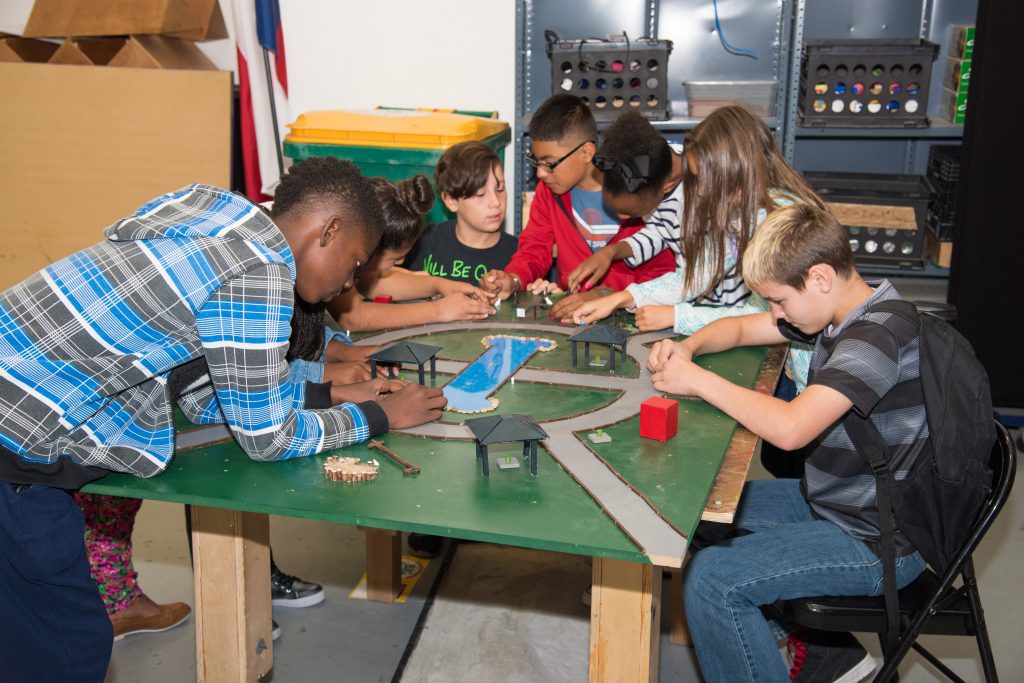
Theme Exploration: Unleashing the Power of Alternative Schooling
In the realm of education, alternative schooling has been steadily gaining popularity as more and more parents and educators realize that traditional methods may not be the best fit for every child. One particular approach that stands out is theme exploration, a method that encourages students to delve deep into a specific topic or subject over an extended period of time. This engaging and immersive educational technique allows students to develop a deep understanding of concepts while fostering creativity, critical thinking, and collaboration.
Unlike traditional school curricula, which often compartmentalize subjects into isolated units or classes, theme exploration aims to create a cohesive learning experience across multiple disciplines. By selecting a central theme — be it history, environmental science, or even zombies — teachers can design interdisciplinary activities that connect various subjects in meaningful ways.
One might argue that dedicating an entire semester or year to one overarching theme could limit students’ exposure to other important topics. However, when done right with careful planning and flexibility built-in, this approach provides ample opportunities for cross-pollination between different fields of knowledge.
For example, imagine a class themed around ancient civilizations. In history lessons, students explore various societies such as Ancient Egypt and Mesopotamia while examining their political structures and social hierarchies. Simultaneously in mathematics class, they learn about ancient numeral systems like Roman numerals or Mayan glyphs. In science classes focused on archaeology or anthropology aspects are discussed where pupils dig deeper into ancient burial sites using scientific methods like carbon dating or studying mummification techniques.
Moreover, incorporating language arts into this thematic framework allows students to read literature from ancient times – Greek tragedies by Sophocles or epic tales such as Gilgamesh – providing cultural context alongside valuable reading comprehension skills development. The possibilities are endless!
The benefits of theme exploration go beyond just academic achievements; they extend into personal growth for each student involved in the process. By immersing themselves in a particular theme, students develop a sense of ownership and agency over their learning. This approach encourages them to take responsibility for their education and actively engage with the subject matter.
Furthermore, theme exploration fosters creativity by encouraging students to think critically and problem-solve within the context of their chosen theme. When faced with challenges or dilemmas related to the topic at hand, learners are forced to tap into their creative reservoirs to find innovative solutions. For instance, if an ancient civilizations-themed project requires creating a replica artifact or designing an interactive exhibit, students may have to think outside the box and employ unconventional materials or methods.
Collaboration is another vital aspect of theme exploration. By working together on long-term projects that span multiple subjects, students learn how to communicate effectively, compromise when necessary, and leverage each other’s strengths. These skills not only prepare them for future academic pursuits but also equip them with essential life skills as they navigate relationships beyond school walls.
Critics might argue that this immersive approach could lead to information overload or hinder students’ ability to recall specific details from each subject covered during the thematic study period. However, it is important to note that the primary goal of theme exploration is not memorization but rather building conceptual understanding and fostering a love for learning.
By emphasizing critical thinking skills over rote memorization, educators empower students with tools that will serve them well beyond school walls. The ability to connect ideas across disciplines and see patterns in seemingly unrelated topics is crucial in today’s rapidly changing world where innovation often occurs at the intersection of diverse fields.
To successfully implement theme exploration into alternative schooling environments, teachers need adequate training and support from educational institutions. Professional development programs should be designed specifically for educators interested in adopting this approach so they can effectively design engaging lessons that meet curriculum standards while staying true to the spirit of thematic learning.
Additionally, alternative schools should provide resources such as libraries stocked with books and materials related to various themes, as well as access to technology that enables students to conduct research, create multimedia presentations, or collaborate virtually with experts in the field.
In conclusion, theme exploration is a powerful tool for alternative schooling environments. It not only promotes interdisciplinary learning but also nurtures creativity, critical thinking, and collaboration among students. By immersing themselves in a specific theme over an extended period of time, learners develop a deeper understanding of concepts while forging meaningful connections between different subjects. While this approach may not be suitable for every student or every topic, it offers a refreshing and engaging alternative to traditional education methods – one that empowers students to become lifelong learners and active participants in their own educational journeys.
 Alternative Amie
Leave a comment