As the cost of higher education continues to rise, many students find themselves relying on student loans to finance their education. Student loans have become a hot topic in recent years, with concerns about mounting debt and its long-term consequences. In this article, we will provide an overview of student loans, discussing their types, repayment options, and alternative strategies for financing education.
Types of Student Loans
There are two main types of student loans: federal and private. Federal student loans are funded by the U.S. Department of Education and offer several advantages over private loans. They typically have lower interest rates and more flexible repayment options.
The most common federal loan programs include:
1. Direct Subsidized Loans: These loans are available to undergraduate students with demonstrated financial need. The government pays the interest while the borrower is in school or during deferment periods.
2. Direct Unsubsidized Loans: Unlike subsidized loans, these do not require financial need but are available to both undergraduate and graduate students. Interest begins accruing as soon as the loan is disbursed.
3. PLUS Loans: These loans are available to parents of dependent undergraduate students or graduate/professional students themselves. Interest rates tend to be higher than other federal loan programs.
Private student loans, on the other hand, come from banks or other private lenders and often require a credit check or a co-signer if the borrower has limited credit history or income potential. Interest rates can vary widely based on creditworthiness and market conditions.
Repayment Options
Repaying student loans can be overwhelming for many borrowers due to high balances and interest charges that accrue over time. However, there are various repayment options available depending on your circumstances:
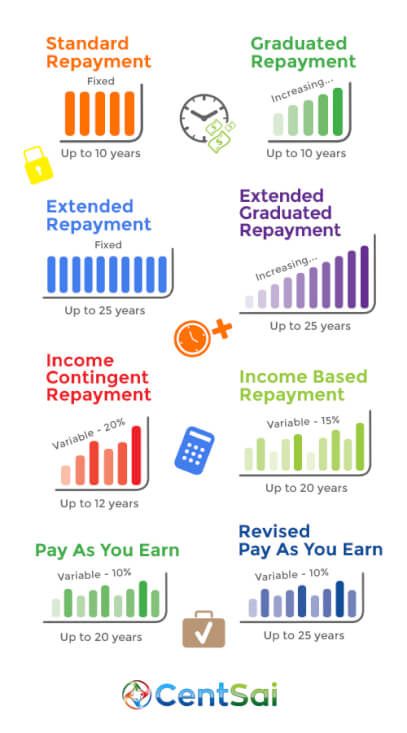
1. Standard Repayment Plan: This plan offers fixed monthly payments over ten years for most federal student loan borrowers.
2.Income-Driven Repayment Plans (IDR): These plans base monthly payments on your income level rather than the loan balance. Examples include:
a. Income-Based Repayment (IBR)
b. Pay As You Earn (PAYE)
c. Revised Pay As You Earn (REPAYE)
d. Income-Contingent Repayment (ICR)
3.Graduated Repayment Plan: This plan starts with lower payments that increase over time, generally every two years.
4.Extended Repayment Plan: Borrowers with high loan balances can extend their repayment term up to 25 years, reducing monthly payments but increasing total interest paid.
5.Student Loan Forgiveness Programs: Certain professions and public service jobs may qualify for loan forgiveness after a specified number of on-time payments or work in specific fields.
Alternative Strategies for Financing Education
While student loans are often seen as the primary means of financing education, there are alternative strategies worth exploring to minimize borrowing or avoid it altogether:
1.Scholarships and Grants: These provide free money for education and do not need to be repaid. Many organizations offer scholarships based on academic achievement, athletic abilities, community involvement, or unique circumstances.
2.Work-Study Programs: Participating in federal work-study programs allows students to earn money while attending school by working part-time jobs on campus or at approved off-campus sites.
3.Attending Community College or Trade Schools: Starting at a community college before transferring to a four-year institution can significantly reduce tuition costs. Additionally, pursuing vocational training through trade schools may offer specialized skills without requiring extensive borrowing.
4.Crowdfunding Platforms: Some students turn to crowdfunding websites where they can share their educational goals and ask for financial assistance from friends, family members, or even strangers who support their cause.
5.Employer Tuition Assistance Programs: Many employers offer tuition reimbursement or assistance programs as part of employee benefits packages. Taking advantage of these opportunities can help alleviate some of the financial burden associated with higher education.
Conclusion
Student loans can be a useful tool for financing education, but they also come with risks and long-term financial implications. Understanding the types of loans available, repayment options, and alternative strategies for financing education is crucial in making informed decisions.
Before taking on student loan debt, students should explore other funding sources such as scholarships, grants, work-study programs, and employer assistance. If borrowing becomes necessary, federal student loans usually offer more favorable terms than private loans. Repayment plans should be carefully considered to ensure affordability and minimize interest costs over time.
Overall, it is important for students to approach their education financing with caution and explore all available options to make informed choices that will lead to a brighter future without overwhelming debt.
 Alternative Amie
Leave a comment