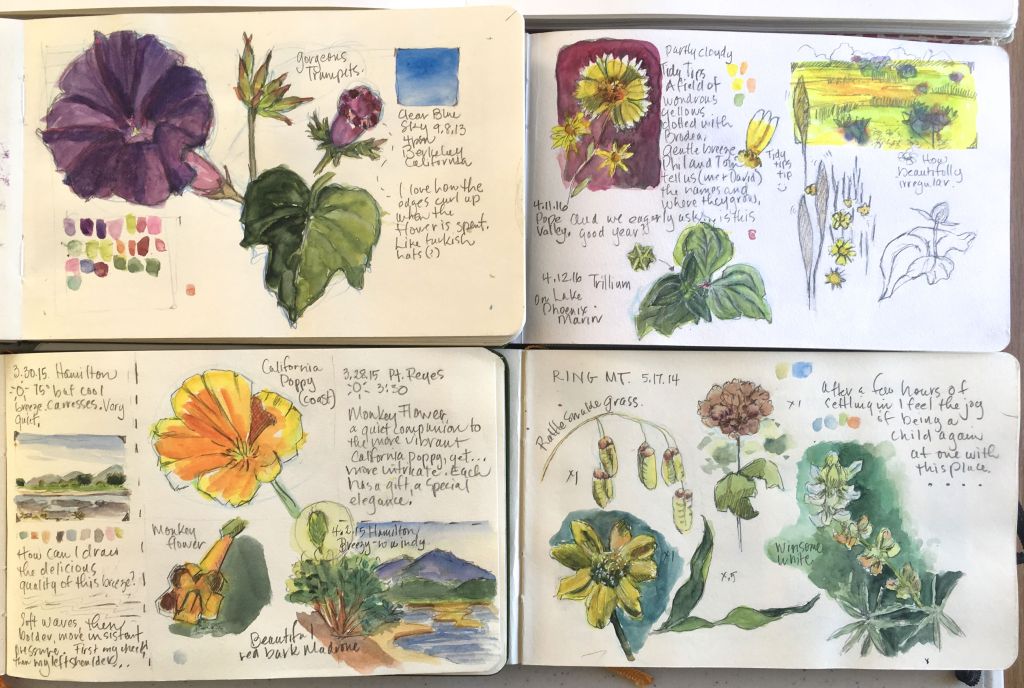
Nature Journaling and Sketching: A Creative and Educational Journey
Introduction:
In today’s fast-paced world, it can be easy to overlook the beauty and wonder that surrounds us in nature. However, alternative schooling and education methods encourage a deeper connection with the natural world. One such method is nature journaling and sketching, which combines creativity, observation skills, and scientific inquiry. In this article, we will explore the benefits of nature journaling and sketching as well as provide some practical tips for getting started.
What Is Nature Journaling?
Nature journaling is a practice where individuals document their observations of the natural environment through writing, drawing, photography or any other artistic medium they prefer. It involves exploring outdoor spaces with curiosity while observing various aspects such as plants, animals, landscapes, weather patterns or even personal experiences related to being in nature.
The Benefits of Nature Journaling:
1. Enhances Observation Skills:
Nature journaling encourages us to slow down and pay attention to our surroundings. By carefully observing plants’ intricate details or birds’ unique behaviors while sketching them on paper or recording them in words – we sharpen our observation skills significantly.
2. Develops Curiosity:
When we engage in nature journaling regularly, we become curious about different aspects of the natural world. We start asking questions like “Why do birds build nests this way?” or “How does this plant adapt to its environment?”. This curiosity leads us on a path of discovery where learning becomes an exciting adventure.
3. Cultivates Connection with Nature:
By spending time outdoors immersed in nature’s beauty while documenting it through artistry – we develop a deep appreciation for the natural world around us. This connection fosters feelings of awe and gratitude towards our environment which can lead to environmental stewardship.
4. Enhances Writing Skills:
Nature journaling involves describing what you see in words alongside your sketches or photographs. Through regular practice of recording your observations, thoughts, and reflections you not only improve your writing skills but also develop a personal narrative of your experiences in nature.
5. Encourages Mindfulness:
Nature journaling is an activity that promotes mindfulness. It allows us to be fully present in the moment, observing and appreciating every detail of our surroundings. This mindful engagement with nature can have numerous mental health benefits such as reducing stress, increasing focus, and promoting overall well-being.
Getting Started with Nature Journaling:
1. Choose Your Tools:
The first step to getting started with nature journaling is to gather the necessary tools. A basic kit may include a sketchbook or notebook, pencils or pens (preferably ones with varying thicknesses), eraser, watercolors or colored pencils if desired.
2. Find Inspiration:
Before heading out into nature for journaling, it’s helpful to find inspiration from other artists or naturalists who engage in similar practices. Books like “Keeping a Nature Journal” by Clare Walker Leslie and Charles E Roth provide valuable insights and examples that can ignite your creativity.
3. Pick the Perfect Spot:
Select a location where you feel comfortable and inspired – whether it’s a nearby park, garden or even your own backyard! Make sure the place offers enough diversity in terms of plant life, animal sightings or interesting natural features that will keep you engaged throughout your journaling session.
4. Observe & Document:
Once at your chosen spot, take some time to observe your surroundings keenly using all your senses – sight, hearing, touch and smell. Pay attention to details such as colors, textures, soundscape or scents which you can incorporate into your sketches later on.
5. Start Sketching & Writing:
Begin by capturing what catches your eye the most through quick sketches or doodles in your journal along with short descriptions in words next to them. Don’t worry about creating perfect artwork; remember that this process is more about capturing moments and personal reflections.
6. Dive Deeper:
As you continue to practice nature journaling, challenge yourself by diving deeper into specific subjects or themes. For example, you can focus on a particular species of plants or birds, study their characteristics in detail, and document your findings through more elaborate sketches and written descriptions.
7. Reflect & Share:
After each journaling session, take a moment to reflect on your experiences and observations. Consider what you’ve learned or discovered during the process. Sharing your journal entries with others – friends, family, or even online communities – can be an enriching experience as it allows for discussions and learning from different perspectives.
Conclusion:
Nature journaling and sketching offer a unique way to engage with nature while fostering creativity, observation skills, curiosity, and mindfulness. It provides an opportunity for individuals of all ages to connect deeply with the natural world around them while nurturing their own artistic expression. So grab your sketchbook, head out into nature’s classroom – there is so much waiting to be explored!
 Alternative Amie
Leave a comment