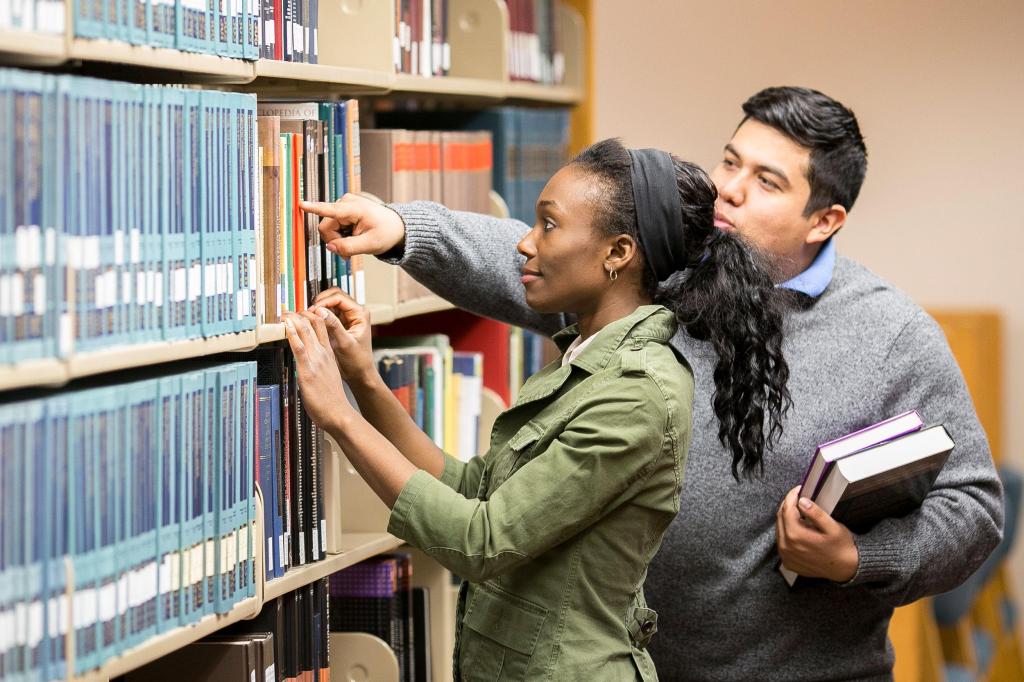
Creating inclusive and supportive environments for peer mentoring is crucial in alternative schooling and education settings. Peer mentoring programs provide students with the opportunity to learn from their peers, develop leadership skills, and build meaningful connections. However, it is important to ensure that these programs are accessible and welcoming for all students, regardless of their background or abilities. In this article, we will discuss eight strategies to create inclusive and supportive environments for peer mentoring.
1. Establish clear guidelines: Start by setting clear expectations and guidelines for both mentors and mentees. This helps create a safe space where everyone understands their roles and responsibilities. Clearly communicate the goals of the program, confidentiality requirements, and any rules or policies that need to be followed.
2. Provide training: It’s essential to provide comprehensive training for both mentors and mentees before they begin their roles. This can include workshops on active listening, effective communication skills, cultural sensitivity, empathy building, conflict resolution strategies, understanding diverse learning styles, mental health awareness, etc. Training ensures that all participants have the necessary knowledge to support each other effectively.
3. Foster open communication: Encourage open communication between mentors and mentees by creating spaces where they can share thoughts freely without judgment or fear of repercussions. Regular check-ins or group discussions can help facilitate this exchange of ideas.
4. Embrace diversity: A key aspect of inclusivity is embracing diversity within your peer mentoring program. Ensure representation from various backgrounds – including race/ethnicity, gender identity/expression, socioeconomic status – among both mentors and mentees so that all students feel seen and heard.
5. Address bias: Bias exists in every individual; therefore addressing biases becomes critical when fostering an inclusive environment in peer mentoring programs.To combat unconscious bias among participants encourage self-reflection through activities such as journaling or guided discussions about stereotypes or assumptions they may hold towards others.
6.Create a safe space: Make sure your physical environment reflects inclusivity as well by creating a safe and welcoming space for all participants. This could involve providing comfortable seating, diverse reading materials, and inclusive artwork or visuals that celebrate different cultures, identities, and perspectives.
7. Foster accountability: Encourage mentors to be accountable for their actions and responsibilities. Regular evaluations or feedback sessions can help identify areas of improvement and ensure that mentors are providing the support needed by their mentees.
8. Provide ongoing support: Peer mentoring is an ongoing process; therefore continuous support is vital. Offer resources such as workshops or seminars on topics related to mental health, study skills development, time management techniques, etc., so that both mentors and mentees can enhance their knowledge base.
Creating inclusive and supportive environments for peer mentoring requires effort from school administrators, teachers, mentors themselves, as well as the wider community. By implementing these strategies, alternative schooling settings can cultivate a culture of inclusivity where students feel supported in their educational journeys while developing essential interpersonal skills through peer mentorship programs.
 Alternative Amie
Leave a comment