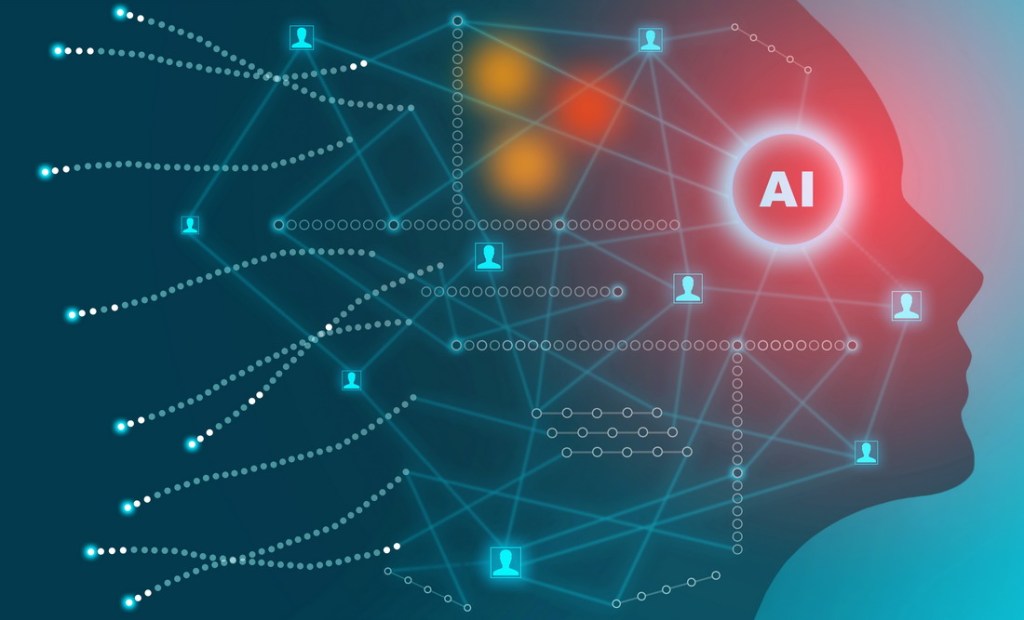
Adaptive Learning Technology: Revolutionizing Education
Introduction:
In recent years, the field of education has witnessed a significant transformation with the integration of technology into classrooms. One such technological advancement that is revolutionizing the way we learn is adaptive learning technology. Adaptive learning refers to an educational method that utilizes computer algorithms and artificial intelligence to tailor instruction according to each learner’s specific needs, abilities, and progress. This personalized approach not only enhances students’ engagement and motivation but also maximizes their learning outcomes. In this article, we will delve deeper into adaptive learning technology, exploring its benefits, implementation strategies, and potential challenges.
Benefits of Adaptive Learning Technology:
1. Personalized Instruction:
One of the key advantages of adaptive learning technology is its ability to provide personalized instruction for every student. By analyzing individual strengths, weaknesses, and learning styles through continuous assessment and data collection, adaptive systems can deliver tailored content and activities that match each student’s unique needs. This ensures that learners are neither overwhelmed nor bored by material that is too easy or too challenging for them.
2. Increased Engagement:
Traditional classroom settings often struggle with engaging all students simultaneously due to varying levels of comprehension or interest in a subject matter. However, adaptive learning platforms employ interactive multimedia elements like videos, games, simulations, and virtual reality experiences to make the content more captivating and relatable to different types of learners. By catering to diverse preferences for auditory or visual information processing as well as hands-on or theoretical approaches to knowledge acquisition; these technologies foster increased engagement among students.
3. Real-time Feedback:
Another major advantage offered by adaptive learning systems is real-time feedback on performance and progress. As students work through lessons or complete assessments within these platforms, they receive immediate feedback on their responses – both correct and incorrect ones. Such prompt feedback helps learners identify areas where improvement is needed while reinforcing correct concepts immediately after completion.
4. Flexibility:
Adaptive learning platforms offer flexibility in terms of time and pace. Students can access the content anytime, anywhere, allowing for self-paced learning that suits their individual schedules and preferences. Additionally, adaptive systems can adapt to learners’ progress by adjusting the difficulty level or offering additional resources based on performance feedback. This flexibility enables students to take ownership of their learning journey while accommodating different learning speeds and styles.
Implementation Strategies:
1. Infrastructure:
To successfully implement adaptive learning technology in schools, a robust infrastructure is crucial. Adequate internet connectivity, reliable hardware devices (such as computers or tablets), and software compatibility are essential components of this infrastructure.
2. Professional Development:
Teachers play a pivotal role in integrating adaptive learning technology effectively into their classrooms. Providing comprehensive professional development programs is vital to equip educators with the necessary skills and knowledge to leverage these tools optimally. Training should cover not only technical aspects but also pedagogical strategies for utilizing adaptive systems most effectively within instructional practices.
3. Content Curation:
Choosing appropriate educational content that aligns with curriculum standards is critical when implementing adaptive learning technology. Teachers should collaborate with instructional designers or subject matter experts to curate high-quality resources that address specific learning objectives while being compatible with the platform’s capabilities.
4. Data Analysis:
Data analysis plays a central role in adaptive learning systems as it informs personalized instruction based on student performance data collected over time. Schools need to develop mechanisms for collecting, analyzing, and interpreting this data accurately while ensuring strict privacy measures are in place to protect students’ information.
Challenges:
1. Technological Barriers:
Not all schools may have access to the necessary technological infrastructure required for implementing adaptive learning technology successfully; therefore, bridging this digital divide becomes an important challenge.
2. Initial Cost:
Adopting an adaptive learning system involves initial investments in hardware devices, software licenses or subscriptions, content acquisition costs, and professional development training – all of which can be significant hurdles for schools operating under tight budgets.
3. Teacher Training:
Educators may face resistance or feel overwhelmed when introducing new technologies into their classrooms. Providing comprehensive training and ongoing support is vital to ensure that teachers are confident and proficient in utilizing adaptive learning tools most effectively.
4. Data Security and Privacy:
As adaptive learning platforms rely heavily on student data collection, ensuring the security and privacy of this information becomes a significant challenge. Schools must adhere to strict protocols to safeguard student data from unauthorized access or breaches.
Conclusion:
Adaptive learning technology has the potential to revolutionize education by providing personalized instruction, increasing engagement, offering real-time feedback, and allowing for flexible learning experiences. While implementing these systems presents challenges related to infrastructure, cost, teacher training, and data security; addressing these hurdles can create an environment conducive to effective integration of adaptive learning technology in schools. By harnessing the power of artificial intelligence and personalization within educational settings, we can unlock individual students’ full potential while fostering a love for lifelong learning.
 Alternative Amie
Leave a comment