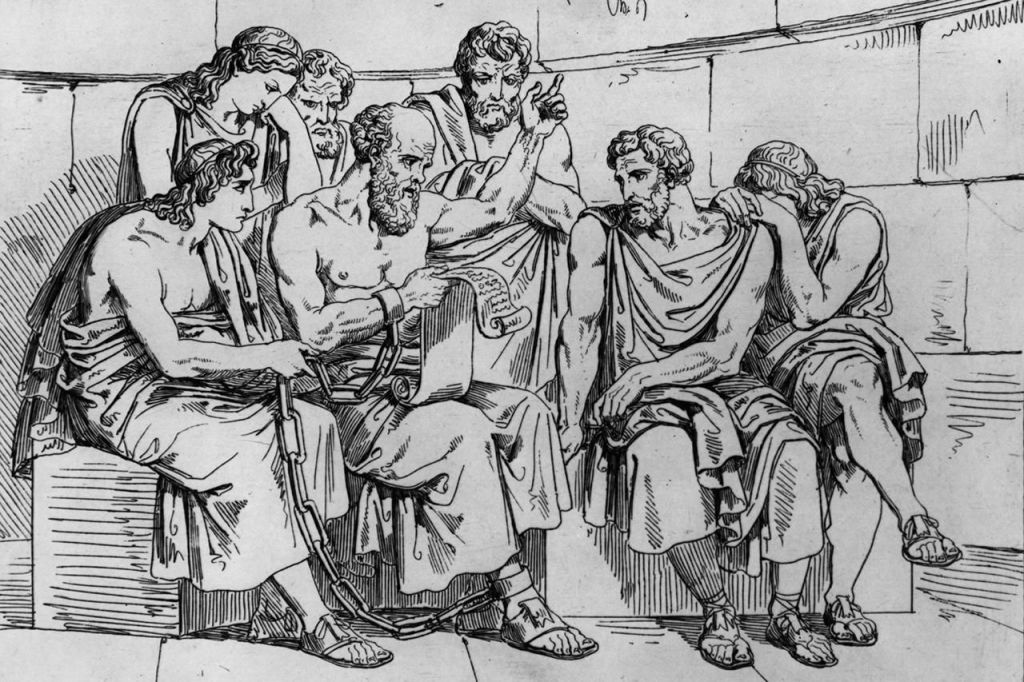
The Socratic method, named after the Greek philosopher Socrates, has been widely recognized as an effective teaching approach that encourages critical thinking and active participation from students. Traditionally associated with philosophy and intellectual discourse, the Socratic method can be applied to a wide range of educational settings, including physical education, music education, art classes, foreign language instruction, vocational training, outdoor education, drama and theater classes, special education settings, coding and computer science lessons, life skills and personal development courses.
1. Socratic Method in Physical Education:
Incorporating the Socratic method into physical education classes can enhance students’ understanding of the importance of fitness and overall well-being. Instead of simply instructing students on proper exercise techniques or leading them through routines without much thought or engagement from their end, physical educators can adopt a more inquiry-based approach.
By using open-ended questions to stimulate critical thinking about topics such as nutrition choices or the benefits of different types of exercises (e.g., cardio vs strength training), educators can help students develop deeper insights into their own health habits. They may ask questions like “What factors influence your decision to eat a healthy diet?” or “How does regular exercise contribute to your overall wellness?”
2. Applying the Socratic Method to Music Education:
Music education is another area where the Socratic method can be highly beneficial. Rather than solely focusing on technical aspects such as scales and sheet music interpretation, teachers can engage students in meaningful discussions about musical concepts and artistic expression.
For example, instead of telling students how a particular piece should sound or how they should interpret it musically; instructors may ask questions like “What emotions do you think this piece evokes?” or “How would you express this melody differently if it were played by a different instrument?”
3. Socratic Questioning Techniques in Art Classes:
Art classes provide ample opportunities for creativity and self-expression. By incorporating Socratic questioning techniques into these lessons, art instructors can foster critical thinking and encourage students to explore their artistic choices more deeply.
Rather than simply providing step-by-step instructions on how to create a specific artwork, teachers may prompt students with questions like “Why did you choose these particular colors?” or “What message do you think your artwork conveys?”
4. Using the Socratic Method for Teaching Foreign Languages:
The Socratic method can also be applied effectively in foreign language instruction. Instead of relying solely on memorization and repetition of vocabulary and grammar rules, teachers can engage students in conversations that encourage them to actively use the language.
Instructors may ask open-ended questions such as “How would you express this idea in the target language?” or “What cultural factors might influence the way native speakers communicate?”
5. Implementing the Socratic Method in Vocational Training:
Vocational training programs aim to equip students with practical skills for specific careers. By incorporating elements of the Socratic method into vocational training, educators can help students develop problem-solving abilities and critical thinking skills relevant to their chosen field.
For instance, instead of purely demonstrating techniques or procedures, trainers may ask questions like “What alternatives could be considered when faced with this particular challenge?” or “How would you troubleshoot this issue if it were to occur?”
6. Exploring the Role of the Socratic Method in Outdoor Education:
Outdoor education provides unique opportunities for hands-on learning experiences and connection with nature. By applying the Socratic method, outdoor educators can facilitate deeper reflections on environmental issues and promote sustainable practices.
Teachers may pose questions such as “What are some potential consequences of human activities on our natural surroundings?” or “How can we apply what we learn outdoors to protect our environment at home?”
7. Incorporating the Socratic Approach into Drama and Theater Classes:
Drama and theater classes offer an ideal setting for creative expression and collaboration. By integrating aspects of the Socratic approach into these lessons, instructors can foster critical thinking, empathy, and appreciation for diverse perspectives.
Instead of simply rehearsing lines or following directions, teachers may encourage students to explore characters’ motivations by asking questions like “Why do you think this character made that decision?” or “What other choices could the character have made in this situation?”
8. The Benefits of Using the Socratic Method in Special Education Settings:
In special education settings, where individualized instruction is often necessary, the Socratic method can be particularly helpful in promoting active engagement and critical thinking among students with diverse learning needs.
By using questioning techniques tailored to each student’s abilities and interests, educators can create a supportive environment that encourages independent thought and problem-solving skills. This approach helps foster self-confidence and motivation.
9. Applying the Socratic Method to Teach Coding and Computer Science:
Coding and computer science are increasingly important skills in today’s digital age. By employing the Socratic method in these subjects, educators can promote logical thinking and problem-solving abilities among students.
Rather than solely providing coding exercises with specific instructions, instructors may ask questions such as “How would you approach solving this programming challenge?” or “What steps would you take to debug your code?”
10. Using the Socratic Approach for Teaching Life Skills and Personal Development:
Life skills encompass a variety of essential competencies needed for personal growth and success. By implementing elements of the Socratic method into life skills courses, teachers can help students reflect on their values, develop self-awareness, set goals, make decisions effectively, manage time efficiently, communicate assertively – all while fostering independent thinking.
Educators may use guiding questions such as “What are some potential consequences of your current habits on achieving your long-term goals?” or “How might different communication styles impact relationships?”
The remaining topics will be covered in Part 2 (continued)
 Alternative Amie
Leave a comment