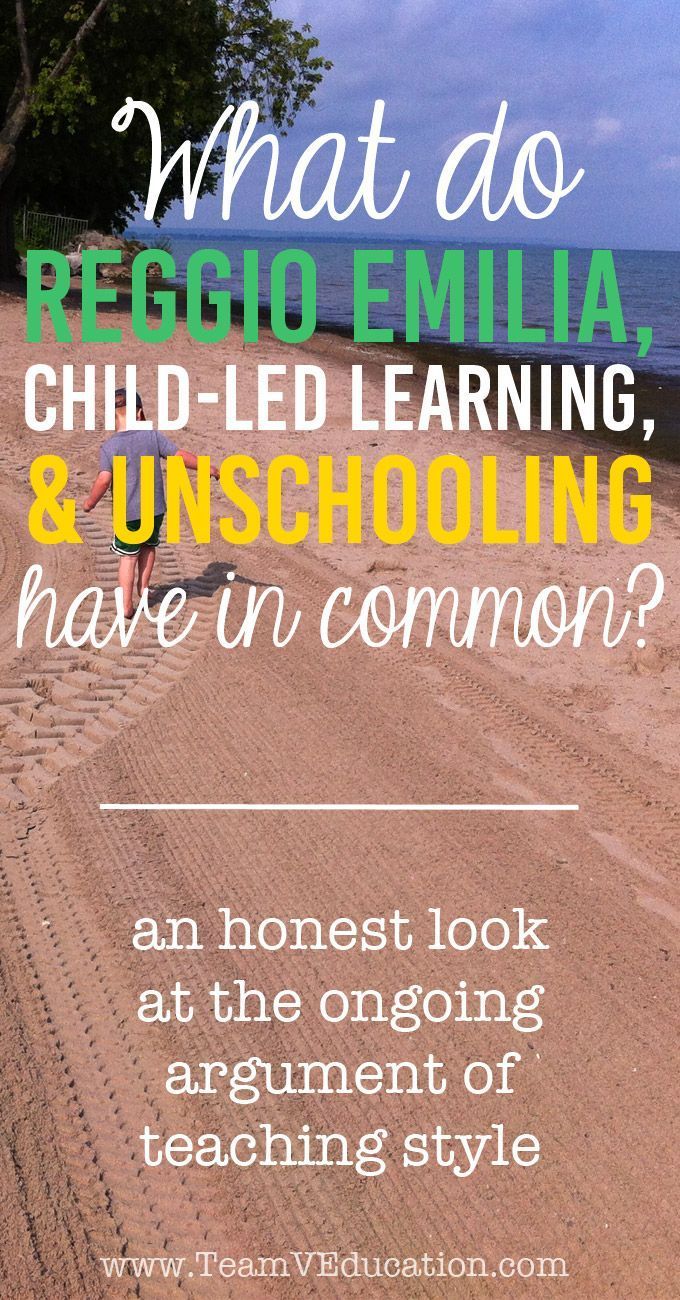
Unschooling and Its Impact on Socialization:
Unschooling, also known as child-led learning or self-directed education, is a non-traditional approach to education that allows children to pursue their interests and passions while taking control of their own learning. It emphasizes the importance of individualized learning, personal autonomy, and curiosity-driven exploration. One common concern raised by critics of unschooling is the potential impact on socialization. However, research and anecdotal evidence suggest that unschooled children often develop strong social skills through a variety of avenues.
Socialization is a vital aspect of a child’s development, as it helps them navigate relationships, understand societal norms, and build important life skills. In traditional schooling settings, children are typically surrounded by peers within the same age group for most of their day. This structured environment provides ample opportunities for social interaction but can also limit exposure to diversity in age groups and experiences.
In contrast, unschooling encourages children to engage with individuals from various age groups and backgrounds. They have the freedom to interact with siblings, parents, extended family members, neighbors, friends from different communities or organizations they join outside of school hours. These diverse interactions offer valuable opportunities for children to learn empathy, communication skills and adaptability as they interact with people from all walks of life.
Additionally, unschooled children often participate in community activities such as volunteering programs or engaging in local clubs or workshops related to their interests. These activities allow them not only to meet like-minded peers but also adults who can serve as mentors or role models. This exposure fosters meaningful connections based on shared interests rather than just age-based associations found in traditional school settings.
Technology plays an essential role in child-led learning by providing access to vast resources that facilitate independent exploration and discovery. With technology integrated into daily life now more than ever before; it has become increasingly prevalent in alternative educational approaches like unschooling.
The internet serves as a treasure trove of information, allowing children to research and delve into topics that ignite their curiosity. They can engage in online communities, participate in virtual classes or workshops, and connect with experts from around the world who share their interests. Technology also enables unschooled children to collaborate on projects, seek feedback on their work, and showcase their achievements through various digital platforms.
While technology offers numerous benefits for child-led learning, it is crucial to strike a balance between screen time and other activities. It’s important for parents to set boundaries and encourage physical activity, outdoor exploration, and hands-on experiences alongside digital engagement.
Incorporating physical education within a child-led curriculum is essential for promoting holistic development. Regular exercise helps improve mental well-being by reducing stress levels, improving focus and cognitive abilities while promoting physical health. Unschooling provides unique opportunities for children to explore different physical activities based on their interests.
Parents can encourage participation in sports clubs or community organizations that offer recreational programs such as soccer, dance classes or martial arts; these activities foster socialization outside of traditional school settings while simultaneously promoting health and wellness.
Another way parents can incorporate physical education into the child-led curriculum is by exploring nature-based activities. Nature walks or hikes provide an opportunity for children to connect with the natural world while engaging all their senses. They can learn about local flora and fauna, develop environmental awareness and cultivate problem-solving skills as they navigate trails or participate in nature-oriented projects.
Challenges arise when implementing child-led learning within a traditional school setting due to its inherent structure designed primarily around teacher-directed instruction. Traditional schools often have rigid curricula focused on standardized testing rather than individualized learning pathways tailored to each student’s needs.
To overcome these challenges, some schools have adopted alternative educational models that incorporate elements of child-led learning within existing structures — such as project-based learning (PBL) or personalized learning approaches— which allow students more autonomy over what they learn, how they learn it and when they learn. These models provide a middle ground between the traditional school system and unschooling.
However, full implementation of child-led learning within traditional schools may require significant systemic changes. Teachers would need to shift from being facilitators or guides rather than dispensers of knowledge. Additionally, class sizes might need to be reduced to allow for more individualized attention and flexibility in learning pathways.
Balancing structure and freedom is crucial in child-led education to ensure that children have the necessary support while still maintaining their autonomy and independence. Some parents worry that without structure or guidance, their children may not acquire essential skills or knowledge needed for future success.
To address these concerns, parents can create a flexible framework that outlines broad goals or objectives while allowing children the freedom to choose how they achieve them. This approach encourages self-direction while providing some structure to ensure progress is made across various areas of development.
Regular check-ins can also be helpful as they allow parents to monitor their child’s progress, offer guidance when needed, and celebrate achievements together. Creating a balance between structure and freedom helps children develop time management skills, responsibility, and accountability while nurturing their intrinsic motivation.
Addressing parental concerns about child-led learning is crucial for fostering understanding and support for this alternative educational approach. Parents who are considering unschooling often have fears about potential gaps in academic knowledge acquisition or limited opportunities for future success.
It’s important to emphasize that unschooling does not mean abandoning academic pursuits altogether but rather tailoring education around each child’s unique interests and strengths. Children engaged in self-directed learning often develop a deep passion for subjects they find interesting; this enthusiasm fuels their desire to explore further independently.
Parents can also engage with other unschooling families through local support groups or online communities where experiences are shared; this provides reassurance from those who have successfully navigated similar paths with their own children.
Documenting progress within a child-led education setting can be approached in various ways. Traditional forms of assessment, such as standardized testing or graded assignments, may not align with the principles of unschooling.
Instead, parents and children can collaborate on creating portfolios that showcase their learning journey. These portfolios can include samples of work, photographs, videos, written reflections or testimonials from mentors or community members who have witnessed their growth.
Another approach is narrative evaluations where parents and children write narratives highlighting their accomplishments and areas for further development. This process allows for a more comprehensive understanding of a child’s progress beyond traditional grades or test scores.
The natural environment plays a significant role in child-led learning by providing endless opportunities for exploration and discovery. Nature offers diverse sensory experiences that stimulate curiosity while nurturing an appreciation for the world around us.
Children engaged in self-directed education often spend ample time outdoors engaging in activities like gardening, observing wildlife, building forts or participating in nature-based art projects. The natural environment fosters creativity, problem-solving skills and cultivates a sense of wonder about the world.
Supporting children with special needs within a child-led educational setting requires flexibility and individualized approaches. Unschooling allows for customization to meet each child’s unique needs while prioritizing their strengths rather than focusing on deficits alone.
Parents should collaborate with professionals such as therapists or educators specializing in specific areas to develop strategies that support their child’s learning goals effectively. They may also seek out online resources tailored to special needs education or engage with local support groups for guidance and shared experiences.
Nurturing creativity and artistic expression is one of the core benefits of child-led learning; it allows children to explore various forms of artistic expression without limitations imposed by traditional schooling models’ time constraints or curriculum requirements.
In an unschooling environment, children have the freedom to pursue creative endeavors such as painting, sculpting music production; these outlets provide avenues for self-expression while fostering imagination critical thinking skills
Integrating entrepreneurship skills into a child-led curriculum prepares children for the future by fostering innovation, problem-solving abilities and financial literacy. Unschooling provides an ideal environment for nurturing entrepreneurial spirit as children have the freedom to explore their interests while developing skills like critical thinking, communication and resourcefulness.
Parents can encourage entrepreneurship within unschooling by guiding their children through ventures such as setting up a small business, participating in local markets or starting online platforms to showcase their products or services.
Community involvement plays a crucial role in alternative schooling models like unschooling. Engaging with the community allows children to expand their social networks, learn from individuals with diverse backgrounds and experiences, and contribute meaningfully to society.
Parents can foster community involvement by seeking out local organizations that align with their child’s interests; this could involve volunteering at shelters or non-profits, joining clubs or sports teams or participating in cultural events. By immersing themselves in the community, children develop empathy, civic responsibility and gain exposure to different cultures and perspectives.
Child-led learning fosters critical thinking skills by encouraging independent thought and exploration. Children engaged in self-directed education are often motivated by intrinsic curiosity rather than external rewards; this drives them to ask questions, seek answers through research and experimentation while developing analytical skills along the way.
Problem-solving is another essential skill nurtured within child-led learning environments. When faced with challenges or obstacles related to their interests projects they must think creatively find innovative solutions independently — these experiences build resilience adaptability necessary for success throughout life
Assessments methods vary widely within child-led education due its deviation from traditional grading systems standardized testing however there numerous alternatives available that effectively evaluate learning outcomes without compromising individualized approaches assessments may include portfolio evaluations narrative reports presentations exhibitions performances
Potential gaps knowledge acquisition through self-directed learning are a common concern among parents considering unschooling however it’s important note that self-directed learners actively pursue knowledge subjects interest passion therefore they often acquire vast amounts information broader range topics than those confined traditional curricula
Peer-to-peer collaboration plays a significant role in child-led educational experiences as it allows children to learn from and with their peers. Unschooling provides opportunities for children to engage in collaborative projects, share ideas, and problem-solve together.
Collaboration fosters not only academic growth but also social skill development. Through working with others, children learn effective communication, teamwork, negotiation skills and develop empathy understanding towards different perspectives this helps them navigate future relationships professional environments successfully
Cultivating emotional intelligence social skills crucial components child-led learning environment unschooling encourages self-awareness empathy active listening conflict resolution abilities that enable children navigate complex social interactions effectively
Incorporating cultural diversity within a child-led curriculum is vital for fostering global awareness and promoting inclusivity. Unschooling offers the flexibility to explore various cultures through literature art music or engaging with diverse communities outside of school hours.
Parents can expose their children to multicultural experiences by attending cultural festivals joining community organizations or participating in international exchange programs these activities expand horizons encourage acceptance appreciation differences while nurturing open-mindedness curiosity
Supporting children’s mental health well-being within self-directed learning environment should be prioritized parents play critical role creating supportive nurturing atmosphere at home where emotional needs are met healthy routines established balance maintained between academics leisure activities ensuring adequate time rest relaxation reflection encouraged breaks allowed when needed
Play-based learning holds great importance within the context of child-led education as it promotes creativity imagination problem-solving ability research suggests that play enhances cognitive development while supporting social emotional growth allowing children explore experiment without fear judgment rules often associated traditional schooling models
In conclusion alternative educational approaches such as unschooling provide unique opportunities for individualized learning personal autonomy exploration interests passions they offer numerous benefits including enhanced socialization critical thinking skills holistic development however implementing these approaches traditional school settings presents challenges requires significant systemic changes striking balance structure freedom essential addressing parental concerns documenting progress assessing outcomes supporting special needs students promoting mental well-being play-based cultivating community involvement fostering creativity problem-solving skills incorporating cultural diversity among aspects that contribute success child-led education
 Alternative Amie
Leave a comment