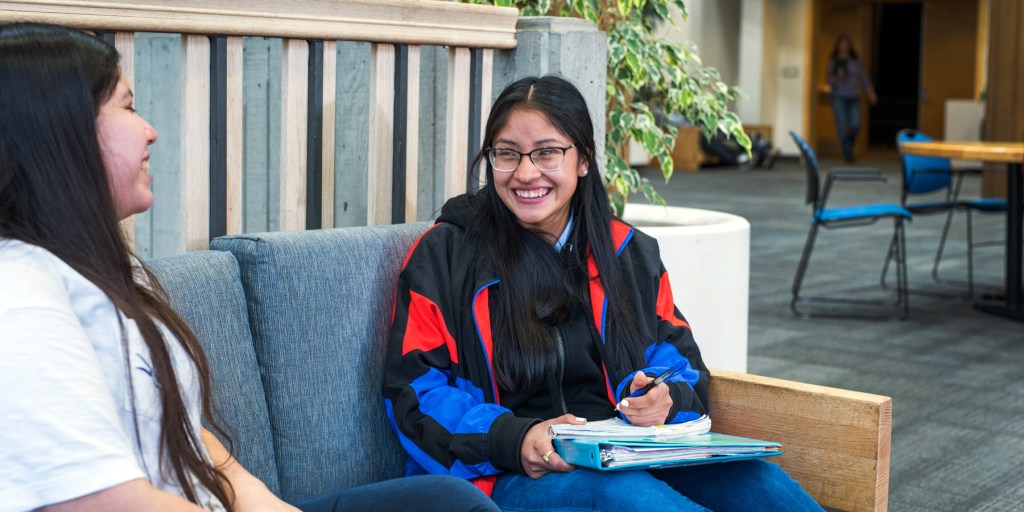
Peer Mentoring: A Supportive Approach for Diverse Student Populations
In today’s diverse educational landscape, peer mentoring has emerged as a powerful tool to support students facing various challenges. Whether it be learning disabilities, behavioral issues, limited financial resources, mental health concerns, or any other obstacle that students may encounter, peer mentoring offers them the opportunity to receive guidance and support from their peers who have overcome similar obstacles. Let’s explore how peer mentoring can benefit different student populations:
1. Students with Learning Disabilities: Peer mentors can provide academic assistance and help develop effective learning strategies tailored to individual needs. They can also offer emotional support by sharing personal experiences and fostering a positive mindset.
2. Students with Behavioral Challenges: Peer mentors can serve as role models and assist in developing self-regulation and conflict resolution skills. By building trust and offering empathy, they can guide these students towards making positive choices.
3. Students from Low-Income Backgrounds: Peer mentors who come from similar backgrounds can provide valuable advice on navigating financial challenges while pursuing education. They can share resources, scholarship opportunities, and encourage resilience in the face of adversity.
4. Students with Mental Health Issues: Peers who have experienced mental health struggles themselves are well-positioned to offer understanding and encouragement to those facing similar difficulties. Through active listening and empathy, they foster a safe space where students feel heard without judgment.
5. LGBTQ+ Students: Peer mentors who identify within the LGBTQ+ community provide much-needed support by sharing personal journeys of self-acceptance and resilience. This mentorship helps create an inclusive environment where all individuals feel valued.
6. Immigrant and Refugee Students: Peers who have gone through the process of adjusting to a new culture or language act as cultural guides for immigrant and refugee students. They offer practical advice on navigating school systems while celebrating diversity.
7. Students with Physical Disabilities: Peers with physical disabilities serve as advocates for accessibility within the school environment. They can provide guidance on adaptive technology, assistive resources, and promote a sense of belonging.
8. Gifted and Talented Students: Peer mentors who excel academically can challenge gifted students to reach their full potential by sharing effective study techniques, encouraging intellectual curiosity, and fostering a growth mindset.
9. Students in Foster Care: Peers who have experienced the foster care system firsthand offer understanding and support to these students. They provide a listening ear, help navigate challenges within the education system, and encourage resilience.
10. Pregnant or Parenting Teens: Peers who have successfully balanced academics with parenting responsibilities can serve as role models for pregnant or parenting teens. They offer practical advice on time management, accessing support services, and pursuing educational goals.
Peer mentoring is an invaluable resource for various student populations facing unique challenges. It promotes empathy, resilience, self-advocacy skills, and fosters a sense of community within schools. By harnessing the power of peer mentorship programs, educational institutions can create inclusive environments where all students thrive regardless of their circumstances.
 Alternative Amie
Leave a comment