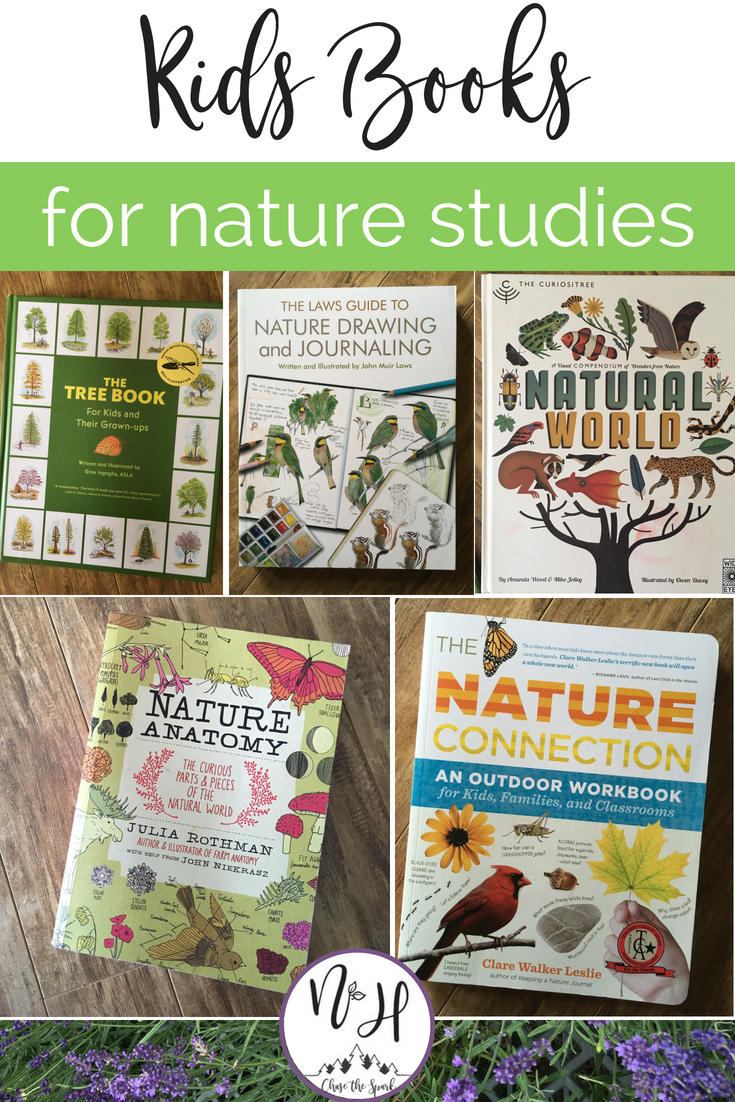
Science Through Nature Study and Living Books: A DIY Approach to Alternative Education
Introduction:
In today’s fast-paced world, alternative schooling and education options are gaining popularity as parents seek a more holistic approach to their children’s learning. One such method is incorporating science through nature study and living books. This do-it-yourself (DIY) style of learning offers numerous benefits, including fostering curiosity, critical thinking skills, and a deeper connection with the natural world. In this article, we will explore how you can incorporate science into your child’s education using nature study and living books.
What is Nature Study?
Nature study involves observing the natural world firsthand. It encourages children to engage with their surroundings, developing an understanding and appreciation for the plants, animals, ecosystems, and processes that make up our environment.
To begin incorporating nature study into your child’s education:
1. Create a Nature Journal: Start by getting your child a dedicated journal or notebook to record their observations. Encourage them to document what they see in nature through drawings, notes about behaviors or characteristics of plants or animals they encounter.
2. Regular Outdoor Excursions: Schedule regular outings to nearby parks, forests, beaches or even just your backyard! Encourage exploration by asking open-ended questions like “What do you notice?” or “Why do you think that happens?”
3. Foster Curiosity: Allow your child the freedom to explore their interests within nature. If they find caterpillars fascinating one day but birds the next day – encourage it! Provide resources or guidebooks related to these topics so they can delve deeper into areas of personal interest.
4. Field Guides: Invest in field guides specific to your region’s flora/fauna; these can be found at bookstores or libraries usually have them available for loan too! These guides become essential tools for identifying different species encountered during outdoor excursions.
5. Citizen Science Projects: Engaging in citizen science projects allows children to contribute to scientific research. Websites like iNaturalist or eBird provide platforms for kids to upload their observations and contribute data that scientists can use for ecological research.
Living Books: An Engaging Approach to Learning:
Living books are high-quality literature written by experts in their field, which captivates readers through engaging storytelling. When it comes to science education, living books offer an excellent way of presenting complex concepts in an accessible manner.
Here’s how you can incorporate living books into your child’s science education:
1. Curate a Science Library: Build a collection of living books that cover various scientific topics, ranging from astronomy and geology to biology and chemistry. Include both non-fiction titles as well as fictional stories with scientific themes.
2. Read Aloud Sessions: Set aside regular reading sessions where you read aloud selected passages or entire books together with your child. Take the time to discuss the content, ask questions, and encourage critical thinking about what they’ve learned.
3. Encourage Independent Reading: Provide opportunities for your child to explore these books independently too! Create a cozy reading nook or allocate dedicated quiet time for them to immerse themselves in the fascinating world of science through literature.
4. Book Discussions: Organize book discussions with other homeschooling families or join online communities centered around alternative education methods like nature-based learning or Charlotte Mason-inspired approaches. These discussions can deepen understanding while allowing children to share their insights and learn from others’ perspectives.
5. Hands-on Experiments: Use living books as inspiration for hands-on experiments that bring scientific concepts alive! For instance, after reading about photosynthesis, set up a simple experiment where your child observes how plants grow under different conditions of light exposure.
Benefits of Science Through Nature Study and Living Books:
By combining nature study with living books, children gain several valuable benefits beyond traditional classroom learning:
1. Foster Love for Science: Engaging with nature firsthand allows children to develop a deep appreciation and love for science, making it more than just an academic subject.
2. Encourage Curiosity: Nature study and living books encourage children to ask questions, explore independently, and pursue their interests within the realm of science.
3. Develop Critical Thinking Skills: Through observation, analysis, and discussion of natural phenomena found in nature study and living books, children develop critical thinking skills that are essential in scientific inquiry.
4. Create Lasting Connections with Nature: By spending time outdoors regularly, children form lasting connections with the natural world around them. This connection lays the foundation for environmental stewardship later in life.
Conclusion:
Incorporating science through nature study and living books offers a DIY approach to alternative education that engages children’s curiosity while fostering a deeper understanding of the natural world. Through regular outdoor excursions, maintaining nature journals, curating a science library with living books, and engaging in hands-on experiments inspired by literature – parents can provide a rich educational experience that nurtures their child’s love for science. So go ahead – embrace this DIY style of learning and watch your child flourish as they explore the wonders of our world!
 Alternative Amie
Leave a comment