Problem-solving is a crucial skill that we all need in various aspects of our lives. Whether it’s solving a complex math problem, resolving conflicts with others, or finding innovative solutions to everyday challenges, having effective strategies can make the process smoother and more efficient. In this article, we will explore some problem-solving strategies that can be applied in alternative schooling and education settings.
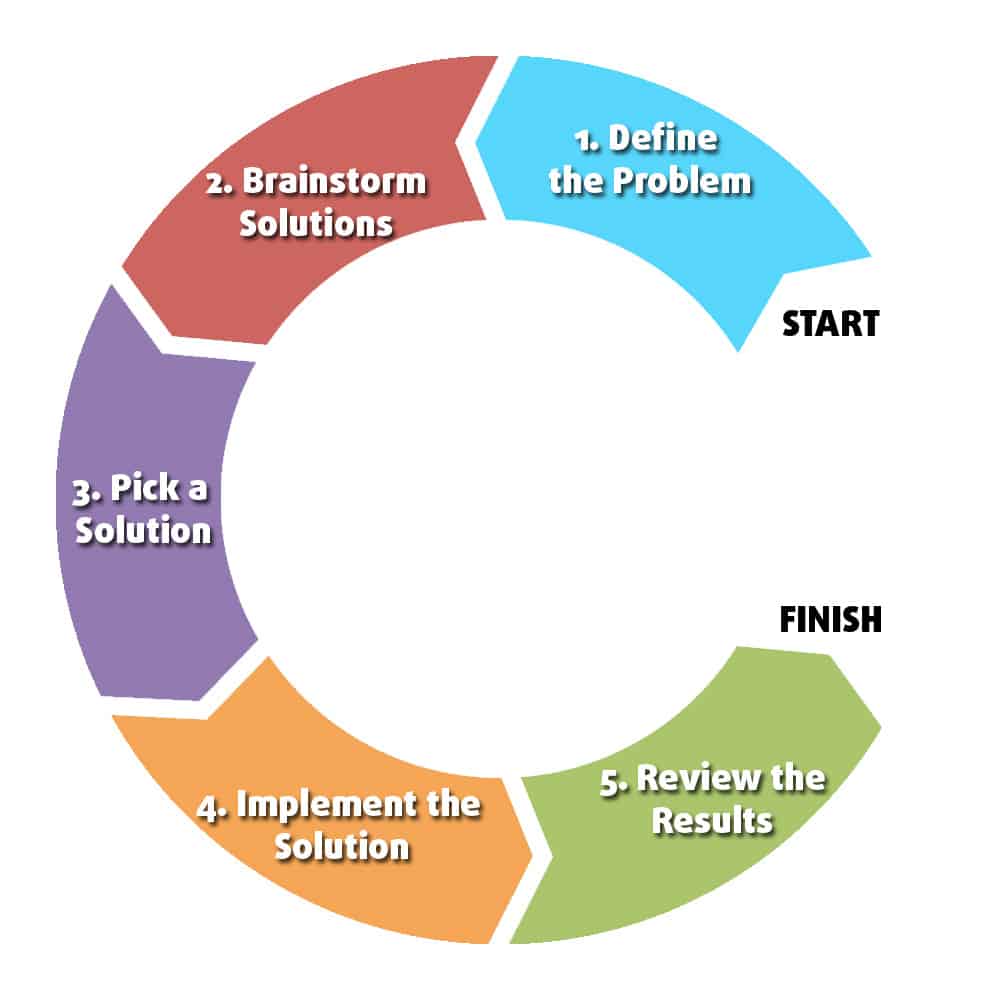
1. Define the problem: The first step in any problem-solving process is to clearly identify and define the problem at hand. Encourage students to articulate what exactly they are trying to solve or achieve. This helps provide clarity and focus.
2. Gather information: Once the problem is defined, gather as much relevant information as possible. This may involve conducting research, seeking different perspectives, or exploring past experiences related to similar problems. Encourage students to ask questions and think critically about the information they find.
3. Generate multiple solutions: Brainstorming is an excellent way to encourage creativity and generate a range of possible solutions or approaches to a problem. Encourage students to think outside the box and consider unconventional ideas during this stage.
4. Evaluate options: After generating multiple solutions, it’s important to evaluate each option based on its feasibility, potential effectiveness, and alignment with desired outcomes. Discuss pros and cons with students so they can learn how to analyze different options objectively.
5. Make a decision: Once evaluations are complete, help students make an informed decision by considering all factors involved in their unique situation or context. Teach them how to prioritize options based on their goals.
6. Implement the solution: After deciding on a particular approach or solution, guide students through the implementation phase by breaking down tasks into manageable steps or creating action plans if necessary.
7.Review and reflect: It’s essential for learners not only to implement but also review the effectiveness of their chosen solution after completion.The reflection process allows them to learn from both successful outcomes and failures which can further enhance their problem-solving skills.
8. Seek feedback: Encourage students to seek feedback from peers, teachers, or mentors. This can provide them with different perspectives and insights that they may have overlooked during the problem-solving process.
9. Adjust and improve: Based on the feedback received, help students make adjustments or improvements to their solutions if needed. Emphasize the importance of continuous learning and improvement in problem-solving.
By incorporating these strategies into alternative schooling and education settings, educators can foster critical thinking, creativity, collaboration, and resilience among students. These skills will not only benefit them academically but also prepare them for real-world challenges they may encounter throughout their lives.
 Alternative Amie
Leave a comment