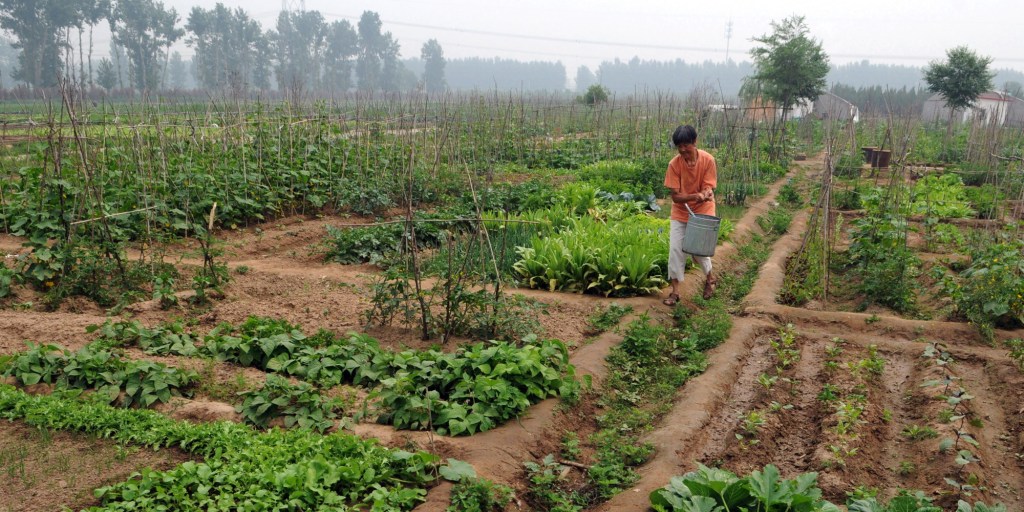
Organic farming practices have gained significant popularity in recent years as people become more aware of the impact their food choices have on their health and the environment. Unlike conventional farming methods that rely heavily on synthetic chemicals, organic farming focuses on natural techniques to promote sustainable agriculture. This approach involves using organic fertilizers, crop rotation, biological pest control, and other environmentally-friendly practices.
One of the key principles of organic farming is soil health. Organic farmers prioritize building healthy soil by adding compost and natural fertilizers derived from plant or animal waste. These substances provide essential nutrients to the crops while also improving soil structure and moisture retention. By nurturing the soil naturally over time, organic farmers ensure that it remains fertile and productive for future generations.
Crop rotation is another important practice in organic farming. It involves growing different types of crops in a particular sequence over several seasons or years. This technique helps prevent pest infestations, disease outbreaks, and nutrient depletion in the soil. Additionally, rotating crops can enhance biodiversity by attracting beneficial insects and reducing reliance on chemical pesticides.
In order to control pests without resorting to synthetic chemicals, organic farmers employ various methods known as biological pest control. This includes introducing predatory insects or birds that feed on pests, using pheromone traps to disrupt mating patterns, and implementing physical barriers such as nets or screens around vulnerable plants. By focusing on maintaining a balanced ecosystem within their farms, organic farmers are able to effectively manage pests while minimizing harm to beneficial organisms.
Weed management is another challenge faced by organic farmers since they cannot use herbicides commonly used in conventional agriculture. Instead of relying solely on manual labor for weeding tasks, many adopt innovative techniques like mulching with straw or wood chips to suppress weed growth naturally. Some even use flame weeding devices that apply controlled heat directly onto weeds without damaging surrounding plants.
Water conservation is a vital aspect of sustainable farming practices promoted by the organic movement as well. Organic farmers strive to minimize water usage through techniques such as drip irrigation, which delivers water directly to the root zone of plants. They also prioritize soil health and structure, as healthy soils can retain more moisture and reduce the need for excessive watering.
Organic farming practices extend beyond crop production; they also encompass animal husbandry. Organic livestock is raised in humane conditions that prioritize animal welfare. These animals are provided with organic feed, access to outdoor spaces, and are not treated with antibiotics or growth hormones. By choosing organic meat, dairy products, and eggs, consumers support farmers who follow ethical practices that benefit both animals and humans.
The benefits of organic farming extend far beyond personal health considerations. By avoiding synthetic chemicals in agriculture, organic farmers protect ecosystems from pollution caused by pesticides and fertilizers. They preserve biodiversity by creating habitats for beneficial insects and wildlife within their farms. Furthermore, organic farming contributes to climate change mitigation by sequestering carbon dioxide in the soil through increased organic matter content.
While there may be challenges associated with practicing organic farming on a large scale due to higher labor requirements and potential yield fluctuations compared to conventional methods, the demand for organically grown food continues to rise globally. Consumers increasingly value sustainably produced food that promotes human health while protecting the environment.
In conclusion, embracing organic farming practices offers numerous advantages over conventional methods. From prioritizing soil health and biodiversity conservation to promoting sustainable water management and ethical animal husbandry – embracing an organic approach benefits not only our own well-being but also the future generations who will inherit this planet from us. As individuals become more conscious about their food choices’ impact on their own lives as well as the broader ecosystem, supporting local farmers who embrace these principles becomes crucial for a healthier present and a sustainable future
 Alternative Amie
Leave a comment