Giftedness and Neurodiversity: A Comprehensive Guide
Introduction:
In the realm of education, it is important to recognize and embrace the diversity that exists among students. This includes understanding and supporting individuals who are gifted or neurodiverse. Giftedness refers to a high level of aptitude or competence in one or more areas, while neurodiversity encompasses a range of neurological differences such as autism, ADHD, dyslexia, and others. In this article, we will delve into these topics to shed light on how alternative schooling and education can cater to the needs of gifted and neurodiverse learners.
Understanding Giftedness:
1. What does it mean to be gifted?
Being gifted goes beyond having above-average intelligence. It involves exceptional abilities in specific domains such as academics, arts, music, leadership skills, creativity, or problem-solving capabilities. Gifted individuals often demonstrate advanced cognitive skills at an early age.
2. How are gifted students identified?
Identification processes may vary across educational institutions but commonly involve assessments conducted by professionals like psychologists or educators specializing in gifted education. These assessments evaluate intellectual functioning through IQ tests and assess domain-specific talents using various methods like portfolios or performance-based evaluations.
3. What challenges do gifted students face in traditional educational settings?
Gifted students often struggle with boredom due to curriculum pacing that does not match their learning speed or depth of comprehension. They may experience difficulty socializing with same-age peers due to differences in interests or maturity levels.
4. How can alternative schooling address the needs of gifted learners?
Alternative schools offer flexible curricula tailored to individual student’s strengths and interests rather than adhering strictly to grade-level expectations. Accelerated programs allow them to progress at their own pace without being held back by a standardized system.
Understanding Neurodiversity:
1. What does it mean for someone to be neurodiverse?
Neurodiversity acknowledges that neurological differences, such as autism, ADHD, dyslexia, or Tourette’s syndrome, are natural variations of the human brain rather than deficits. Neurodiverse individuals have unique strengths and abilities that should be recognized and valued.
2. How can alternative schooling support neurodiverse learners?
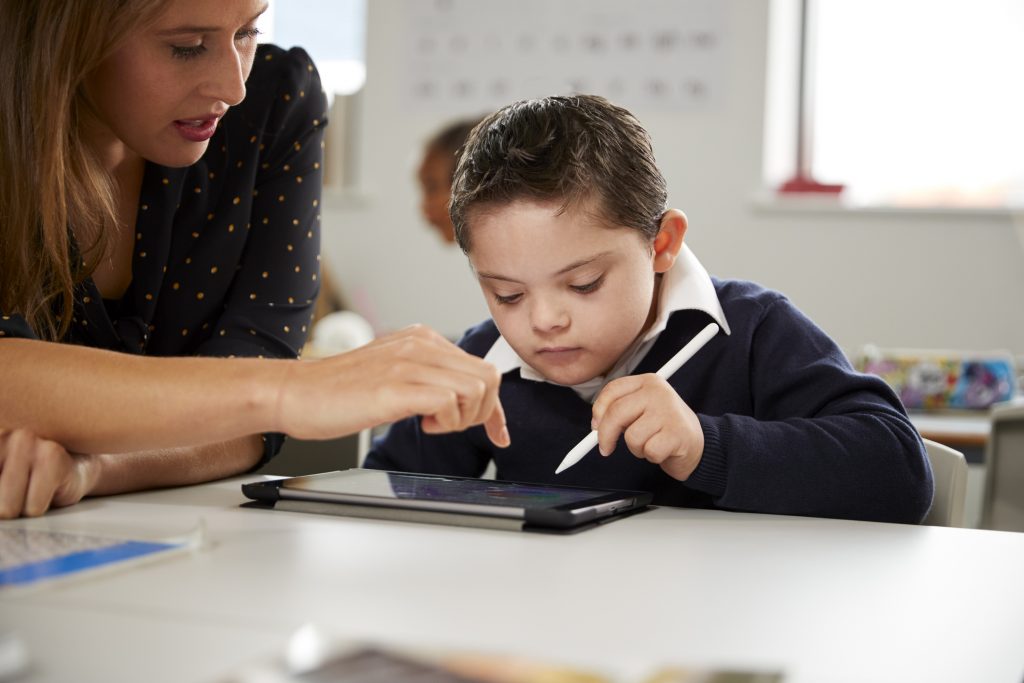
Alternative schools create inclusive environments where students with diverse needs are embraced and supported. They provide individualized learning plans tailored to each student’s specific strengths and challenges. Sensory-friendly classrooms, assistive technologies, and flexible schedules help accommodate different learning styles.
3. Should neurodiverse students be placed in mainstream classrooms or segregated settings?
The decision regarding inclusion versus segregation depends on the individual needs of the student. Some neurodiverse students thrive in mainstream classrooms with appropriate accommodations and support from trained professionals. Others may benefit from smaller class sizes or specialized programs that cater specifically to their needs.
4. How can alternative schooling promote acceptance of neurodiversity among all students?
Alternative schools foster a culture of empathy and understanding by educating all students about neurodiversity through awareness campaigns and classroom discussions. By encouraging peer-to-peer support networks and promoting respect for differences, these schools build an environment where everyone feels valued.
Conclusion:
Giftedness and neurodiversity deserve recognition within educational systems to ensure every student receives an education tailored to their unique needs. Alternative schooling approaches empower gifted learners by providing challenging curricula that stimulate their intellectual growth while supporting neurodiverse individuals through inclusive environments designed around their strengths. By embracing diversity in education, we pave the way for a more inclusive society that celebrates differences rather than trying to fit everyone into a one-size-fits-all mold.
 Alternative Amie
Leave a comment