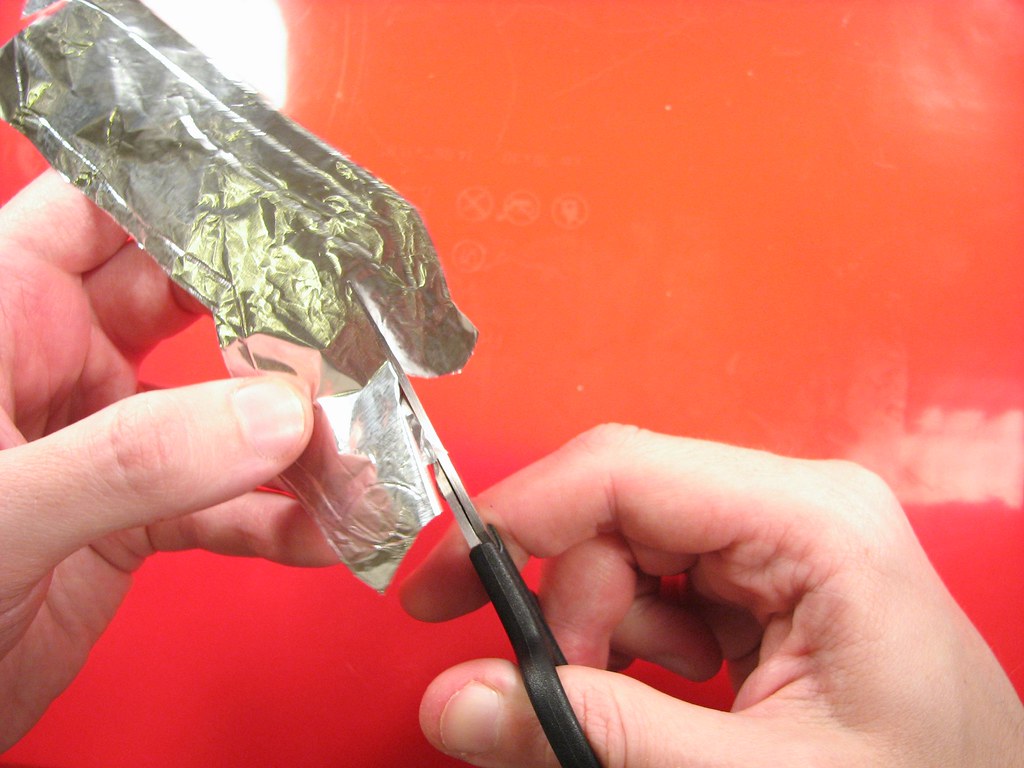
Paper Circuitry:
Introduction:
In the world of DIY electronics, paper circuitry has emerged as a fascinating and accessible way to combine traditional crafting techniques with technology. By using simple materials like conductive tape, LEDs, and batteries, makers can create interactive and illuminated art pieces on paper. In this post, we will explore the basics of paper circuitry and provide step-by-step instructions for creating your own projects.
Materials Needed:
– Conductive tape
– Copper tape
– LEDs (various colors)
– Coin cell batteries
– Paper or cardstock
– Scissors
– Pencil or pen
– Craft knife or cutting mat (optional)
– Glue stick
Getting Started:
To begin your paper circuitry journey, gather all the necessary materials listed above. Conductive tape is an essential component in these projects as it allows electricity to flow through the circuits. Copper tape can also be used if you prefer a more traditional touch.
Designing Your Circuit:
Before diving into building your project, it’s important to plan out your circuit design on paper. Consider what elements you want to incorporate such as LED lights, switches, or sensors. Sketch out your design with pencil or pen so that it’s easier to follow when constructing the actual circuit.
Constructing the Circuit:
1. Start by placing one end of the conductive tape on the positive side of the battery.
2. Carefully position an LED on top of another section of conductive tape so that its longer leg (the positive leg) overlaps with the conductive strip.
3. Attach another piece of conductive tape from the shorter leg (the negative leg) of the LED to complete a loop back to the battery’s negative side.
4. Securely press down on all connections made using conductive tape.
5. Repeat steps 2 and 3 for each additional LED you want to add in parallel.
6. Test your circuit by touching the free end of the conductive tape to the negative side of the battery. The LEDs should light up!
Adding Interactivity:
To make your paper circuitry projects more engaging, you can incorporate interactive elements such as switches or sensors. Here’s how:
1. Switches: Cut a small piece of copper or conductive tape and place it between two sections of non-conductive material like cardstock. When pressure is applied to this section, it will complete the circuit and turn on/off the LEDs.
2. Sensors: Use materials like aluminum foil or conductive fabric to create touch-sensitive areas on your paper circuit project. These sensors can trigger different responses when touched by completing or breaking a circuit.
Tips for Success:
– Make sure all connections are secure by pressing down firmly on each joint made with conductive tape.
– If you’re using copper tape instead, be careful not to overlap the strips as this can cause short circuits.
– Test your circuit at every step to catch any errors before finalizing your design.
– Experiment with different types and colors of LEDs to add visual interest and variety in your projects.
Examples of Paper Circuit Projects:
Now that you’ve learned the basics, here are some ideas for paper circuit projects you can try:
1. Greeting Cards: Create personalized greeting cards that light up when opened, adding an extra touch of magic and surprise.
2. Wall Art: Design intricate patterns or shapes on paper using LED lights to create eye-catching wall art pieces.
3. Storybooks: Bring stories to life by incorporating illuminated illustrations throughout a book using paper circuits.
4. Origami Animals: Construct origami animals with LED eyes that glow when connected in parallel circuits.
Conclusion:
Paper circuitry is an exciting way for makers to merge technology with traditional crafting methods in a fun and accessible manner. By utilizing simple materials like conductive tape, LEDs, and batteries, anyone can create impressive interactive artworks on paper. The possibilities for creativity are endless, from greeting cards to wall art and even storybooks. So grab your materials and start experimenting with paper circuitry today!
 Alternative Amie
Leave a comment