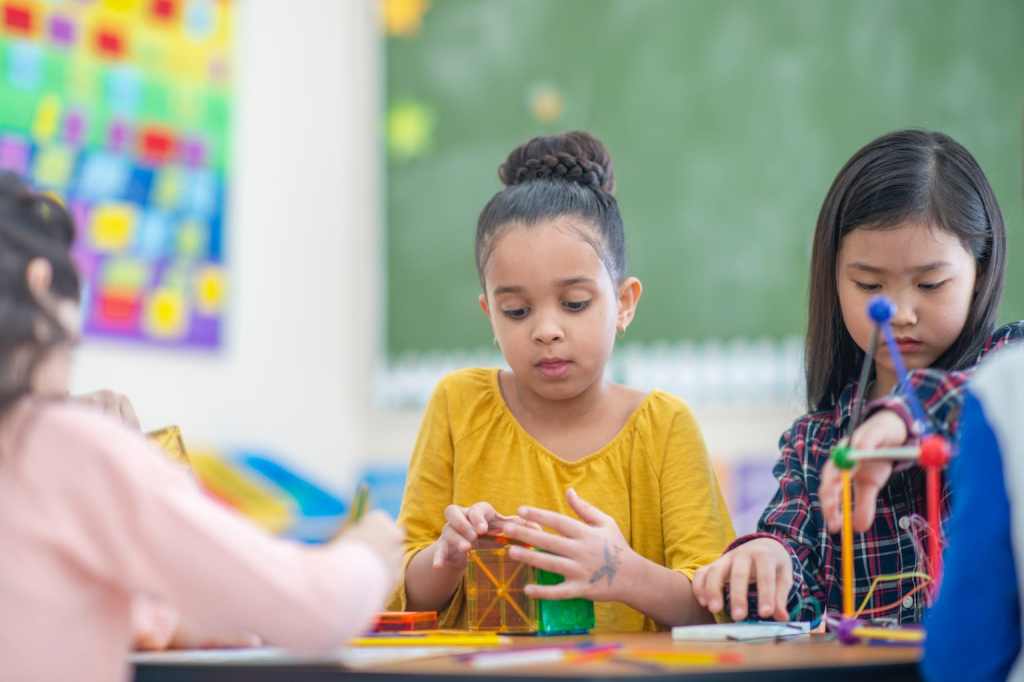
Psychology and Mental Health Awareness: Nurturing the Well-being of Alternative School Students
In recent years, there has been a growing recognition of the importance of mental health in education, particularly in alternative schooling and education settings. As we strive to provide a holistic approach to nurturing students’ well-being, understanding psychology and promoting mental health awareness have become essential components.
Alternative schools offer unique learning environments for students who may not thrive in traditional educational settings. These schools prioritize individuality, creativity, and non-traditional teaching methods. While these approaches can be incredibly beneficial for many students, they also present their own set of challenges.
One significant challenge faced by alternative schools is addressing the diverse emotional needs of their students. Many alternative school students have struggled with anxiety, depression, trauma, or other mental health issues that may interfere with their ability to learn effectively. Recognizing this reality and implementing strategies to support these young individuals is vital.
Psychology plays a fundamental role in understanding human behavior and cognition. By incorporating psychological principles into alternative educational practices, educators can gain deeper insights into their students’ motivations and thought processes. This understanding allows them to tailor instruction techniques accordingly.
Moreover, fostering mental health awareness within alternative schools creates safe spaces where open dialogue about emotions is encouraged. By destigmatizing discussions around mental health concerns and providing necessary support systems like counseling services or peer mentorship programs, we create an environment that empowers students to seek help when needed.
Fortunately, there are various ways in which alternative schools can integrate psychology and promote mental health awareness among their student population:
1) Implementing Social-Emotional Learning (SEL) Programs: SEL programs focus on developing skills such as self-awareness, empathy, responsible decision-making, relationship-building abilities from an early age. Incorporating SEL into curriculum ensures that emotional intelligence is nurtured alongside academic achievements.
2) Offering Counseling Services: Providing access to professional counselors who specialize in working with adolescents can contribute significantly to students’ mental well-being. These counselors can offer guidance, support, and intervention when necessary.
3) Encouraging Mindfulness Practices: Introducing mindfulness techniques like meditation or breathing exercises helps students manage stress and anxiety effectively. These practices promote self-awareness, emotional regulation, and overall well-being.
4) Building a Supportive Community: Creating spaces for peer-to-peer interactions, such as support groups or mentorship programs, fosters a sense of belonging among students. This community support acts as a protective factor against mental health challenges.
5) Educating Staff on Mental Health: Equipping teachers and staff with the knowledge to recognize signs of distress in students is crucial. Providing training sessions on mental health awareness enables them to respond appropriately and refer students to the necessary resources.
In conclusion, psychology and mental health awareness play integral roles in alternative schooling environments. By incorporating psychological principles into educational practices and creating supportive communities within these schools, we can foster the holistic development of our alternative school students. By prioritizing their emotional well-being alongside academic achievements, we empower them to reach their full potential and thrive both inside and outside the classroom.
 Alternative Amie
Leave a comment