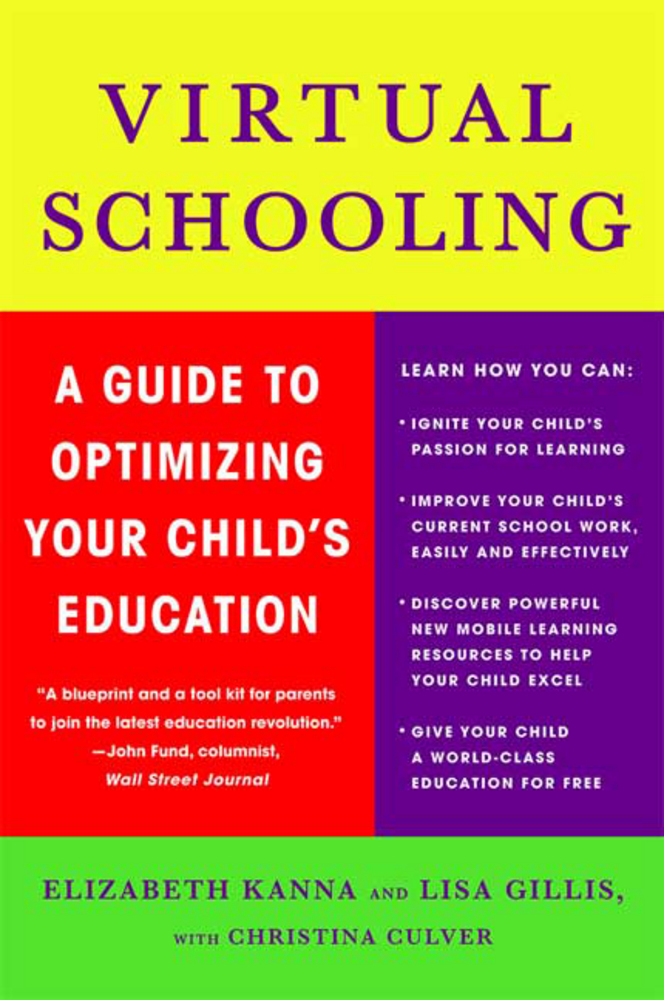
As the world continues to grapple with the COVID-19 pandemic, virtual schooling has become a necessary and widespread alternative to traditional in-person education. While this shift has brought about numerous benefits and opportunities for students, it is important to address the financial implications that come along with it. The cost of virtual schooling encompasses various aspects, including technology requirements, online resources, and potential additional expenses. In this article, we will explore these factors and delve into strategies for managing the cost of virtual schooling.
One of the primary considerations when it comes to virtual schooling costs is ensuring that students have access to appropriate technology. As learning transitions from classrooms to online platforms, having a reliable device such as a laptop or tablet becomes essential. However, not all families may already possess these devices or have access to them at an affordable price point.
To alleviate this issue, many educational institutions and government bodies have implemented initiatives aimed at providing devices to underserved students. These programs often distribute laptops or tablets on loan or offer subsidies for families who cannot afford them outright. Additionally, some schools partner with local businesses or organizations that donate used devices for educational purposes.
Alongside hardware needs, internet connectivity is another vital component of virtual schooling. Students require a stable internet connection in order to participate in online classes and access educational resources effectively. Unfortunately, not all households have reliable internet access due to geographical limitations or financial constraints.
To bridge this digital divide, governments have been working towards increasing broadband accessibility nationwide by investing in infrastructure development projects in rural areas and low-income communities. Furthermore, some internet service providers offer discounted plans specifically designed for low-income families or provide temporary free access during times of crisis like the ongoing pandemic.
Once students are equipped with necessary devices and connectivity options are secured, there are still other costs associated with virtual schooling worth considering. Online learning platforms and educational software can come at a price depending on their complexity and features offered. Some institutions choose premium platforms that offer comprehensive learning experiences, while others opt for more affordable or even free alternatives.
Fortunately, there are many open-source and free educational resources available online that can supplement formal instruction. These resources range from textbooks and research materials to interactive websites and educational apps. Teachers and educators are often adept at curating these resources to ensure students have access to quality material without incurring additional expenses.
Apart from technology and resource costs, virtual schooling may also bring about unforeseen expenses. For instance, some families may find themselves in need of additional tutoring services or specialized software for students with specific learning needs. In such cases, it is crucial for schools to provide support systems or refer families to external organizations that offer these services at an affordable price.
Managing the cost of virtual schooling begins with effective communication between schools and families. Educational institutions should be transparent about any fees associated with virtual learning platforms or supplementary materials upfront so that families can plan accordingly. School administrators can also explore partnerships with local businesses, community organizations, or philanthropic foundations to secure funding for technological investments or subsidies.
Additionally, parents can seek out financial aid options specifically designated for education-related expenses. Local scholarships or grants may be available through nonprofit organizations or government initiatives aimed at supporting students throughout their academic journey. Families should proactively research these opportunities and apply as needed to alleviate financial burdens associated with virtual schooling costs.
Furthermore, parents can engage in dialogue with teachers and other parents within their community to share tips on cost-saving measures related to virtual education. This might include pooling resources together by sharing textbooks amongst neighbors or organizing study groups where multiple children benefit from one tutor’s expertise.
In conclusion, the cost of virtual schooling encompasses various factors ranging from technology requirements to supplementary resources and potential extra expenses like tutoring services. Schools must strive towards providing equitable access by addressing the digital divide through device distribution programs and internet connectivity initiatives. Open-source educational resources play a significant role in reducing expenditure on paid platforms while still ensuring quality learning experiences. Effective communication between schools and families, as well as proactive research into financial aid options, will help alleviate the financial burdens associated with virtual schooling costs. By working together, we can ensure that all students have equal opportunities to thrive in the virtual learning environment.
 Alternative Amie
Leave a comment