Challenges of Dual Enrollment
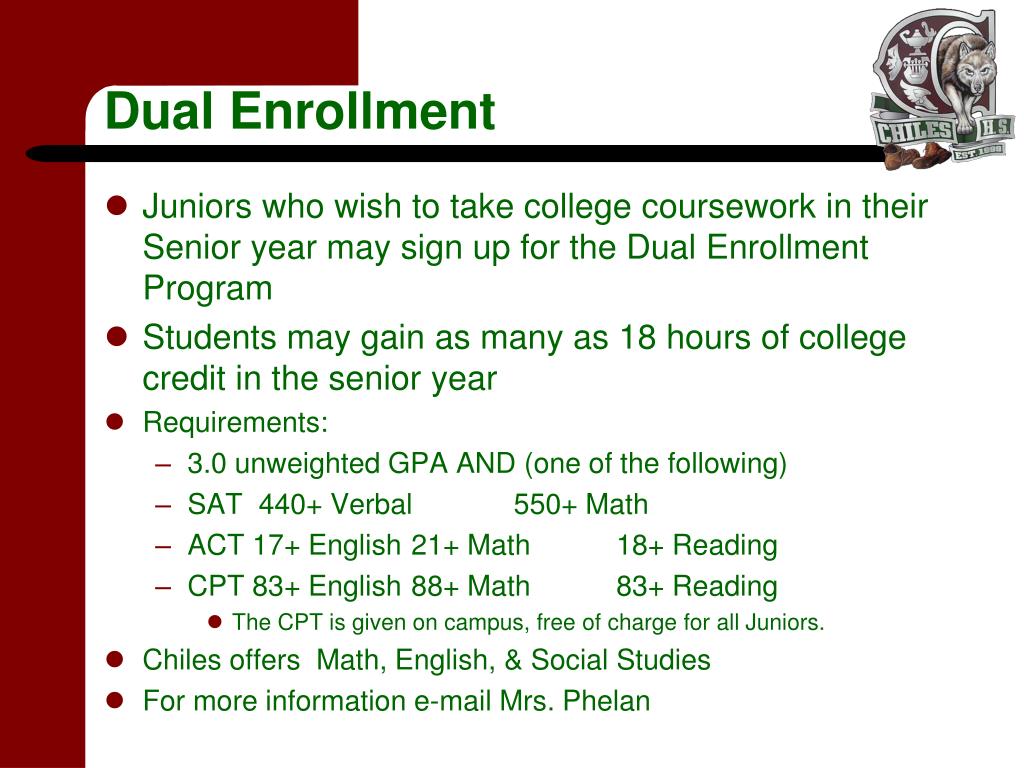
Dual enrollment, also known as concurrent enrollment or dual credit, is a program that allows high school students to take college-level courses and earn credits towards both their high school diploma and future college degree. This educational opportunity can provide numerous benefits for students, such as getting a head start on higher education and saving money on tuition fees. However, like any other academic endeavor, dual enrollment comes with its own set of challenges. In this article, we will explore some of the common obstacles that students may face when participating in dual enrollment programs.
Time Management
One of the primary challenges faced by students in dual enrollment is managing their time effectively. Balancing rigorous coursework from both high school and college can be demanding. Students must attend regular high school classes while also fulfilling the responsibilities of college-level courses. This requires excellent organizational skills and discipline to allocate time efficiently for studying, completing assignments, attending lectures or labs, participating in extracurricular activities, and maintaining a social life.
Academic Pressure
With more challenging coursework comes increased academic pressure. College-level classes are typically more rigorous than those offered at the high school level. Students may find themselves struggling to keep up with the advanced material or adjusting to the faster pace of instruction. The pressure to perform well academically can add stress to an already demanding schedule.
Transition Difficulties
Moving from a high school environment to a college setting can be overwhelming for many students who participate in dual enrollment programs. They may feel out of place among older classmates or struggle with adapting to different teaching styles and expectations. Additionally, navigating campus resources such as libraries or counseling services might be unfamiliar territory for these younger learners.
Limited Course Selection
While dual enrollment provides access to college-level courses during high school years, there are often limitations on which courses are available for participation. Some colleges restrict certain majors or upper-level classes due to prerequisites or age restrictions imposed by licensing boards (e.g., nursing or engineering). This limited course selection may pose challenges for students who have specific academic interests or want to explore subjects not offered through the dual enrollment program.
Transportation and Logistics
Another challenge faced by students participating in dual enrollment is transportation. Attending college classes often requires commuting to a different campus than their high school, which can be difficult if there are no adequate transportation options available. Students may need to rely on public transport, carpooling, or arranging alternative means of travel. These logistical hurdles can add additional stress and time constraints to an already busy schedule.
Maintaining High School Connections
Participating in dual enrollment can sometimes create a sense of detachment from traditional high school experiences. Missing out on events like pep rallies, sports games, club activities, or even daily interactions with peers can make it harder for students to stay connected with their high school community. It is essential for dual-enrolled students to find ways to remain engaged in both their high school and college environments.
In conclusion, while dual enrollment offers valuable opportunities for high school students seeking advanced coursework and early exposure to higher education, it also comes with its share of challenges. Time management skills become crucial as students juggle multiple responsibilities simultaneously. Academic pressure increases due to more rigorous coursework at the college level. Transitioning into a college environment poses difficulties such as adapting teaching styles and navigating unfamiliar resources. Limited course selections might hinder exploration of specific academic interests, while transportation logistics can present significant obstacles for some individuals. Lastly, maintaining connections within the high school community may require extra effort from those involved in dual enrollment programs.
Despite these challenges, many students find that the benefits outweigh the difficulties they face during their participation in a dual enrollment program. With proper support from educators and families along with effective time management strategies, these obstacles can be overcome successfully by motivated young learners eager to seize this unique opportunity for growth and advancement in their educational journey
 Alternative Amie
Leave a comment