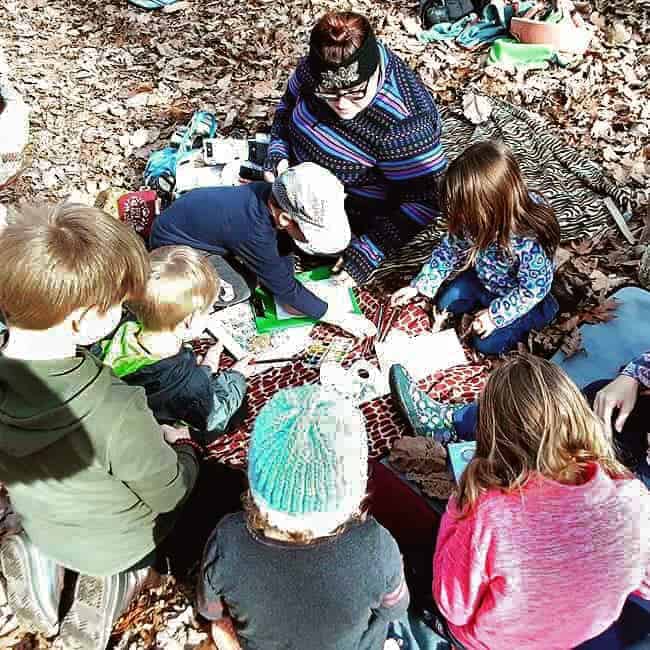
Forest playgroups, also known as forest schools or nature-based playgroups, are gaining popularity around the world as an alternative form of education for young children. These playgroups provide a unique learning experience by immersing children in natural environments and encouraging them to explore, discover, and engage with the outdoors. In this article, we will delve into what forest playgroups are all about and explore the numerous benefits they offer.
Forest playgroups typically consist of small groups of children aged 2-6 years old who gather in natural settings such as forests, parks, or gardens. The sessions are usually held on a regular basis and led by trained educators who facilitate the activities while allowing ample space for child-led exploration.
One of the key principles behind forest playgroups is that nature is an ideal environment for holistic development. The natural world offers endless opportunities for sensory experiences and hands-on learning. By spending time outdoors, children can develop their gross motor skills through climbing trees or balancing on uneven terrain. They can fine-tune their senses by listening to different bird songs or feeling textures of plants and rocks.
Moreover, being in nature sparks curiosity and stimulates imagination. Children have the freedom to create their own games using sticks as swords or leaves as pretend money; they can build forts out of fallen branches or make mud pies in makeshift kitchens. This unstructured play not only fosters creativity but also enhances problem-solving abilities and boosts self-confidence.
Another significant advantage offered by forest playgroups is enhanced physical health. Studies have shown that regular exposure to nature improves overall well-being in children—boosting immune systems, reducing stress levels, increasing Vitamin D absorption through sunlight exposure—all contributing to better physical health outcomes.
Furthermore, spending time outside promotes mental well-being too. Nature has a calming effect on both adults and children alike; it reduces anxiety levels while boosting mood and concentration spans. Forests provide a peaceful setting where little ones can find solace away from the noise and distractions of modern life, allowing them to cultivate mindfulness and a sense of tranquility.
In addition to physical and mental well-being, forest playgroups also foster social development. Children participate in group activities, collaborate on projects, and learn how to communicate effectively with their peers. They develop important social skills such as sharing, taking turns, resolving conflicts, and cooperating—a crucial foundation for future relationships.
Forest playgroups also provide ample opportunities for hands-on learning about the natural world. Educators might lead nature hikes where children can observe plants, insects, or small animals up close. They may engage in gardening activities like planting seeds or harvesting vegetables. These experiences not only deepen children’s understanding of nature but also instill a sense of environmental stewardship from an early age.
Safety is always a top priority in forest playgroups. Trained educators ensure that children are equipped with appropriate clothing and gear for different weather conditions. They teach basic survival skills like identifying safe plants to eat or avoiding poisonous ones. Educators maintain strict protocols regarding parental communication and emergency procedures to ensure the safety of all participants during outdoor sessions.
Participation in forest playgroups encourages children to develop resilience by overcoming challenges encountered outdoors—whether it be climbing a tree or navigating through rough terrain—and builds confidence as they succeed in these endeavors.
In conclusion, forest playgroups offer children a unique educational experience that combines outdoor exploration with holistic development. Through unstructured play in natural environments, young learners gain numerous benefits including enhanced physical health, improved mental well-being, boosted social skills, hands-on learning experiences about nature and the environment while cultivating resilience and confidence along the way.
If you’re considering enrolling your child in a forest playgroup or starting one yourself within your community – go ahead! Embrace this alternative form of education that allows kids to connect with nature while fostering their overall growth and development.
 Alternative Amie
Leave a comment