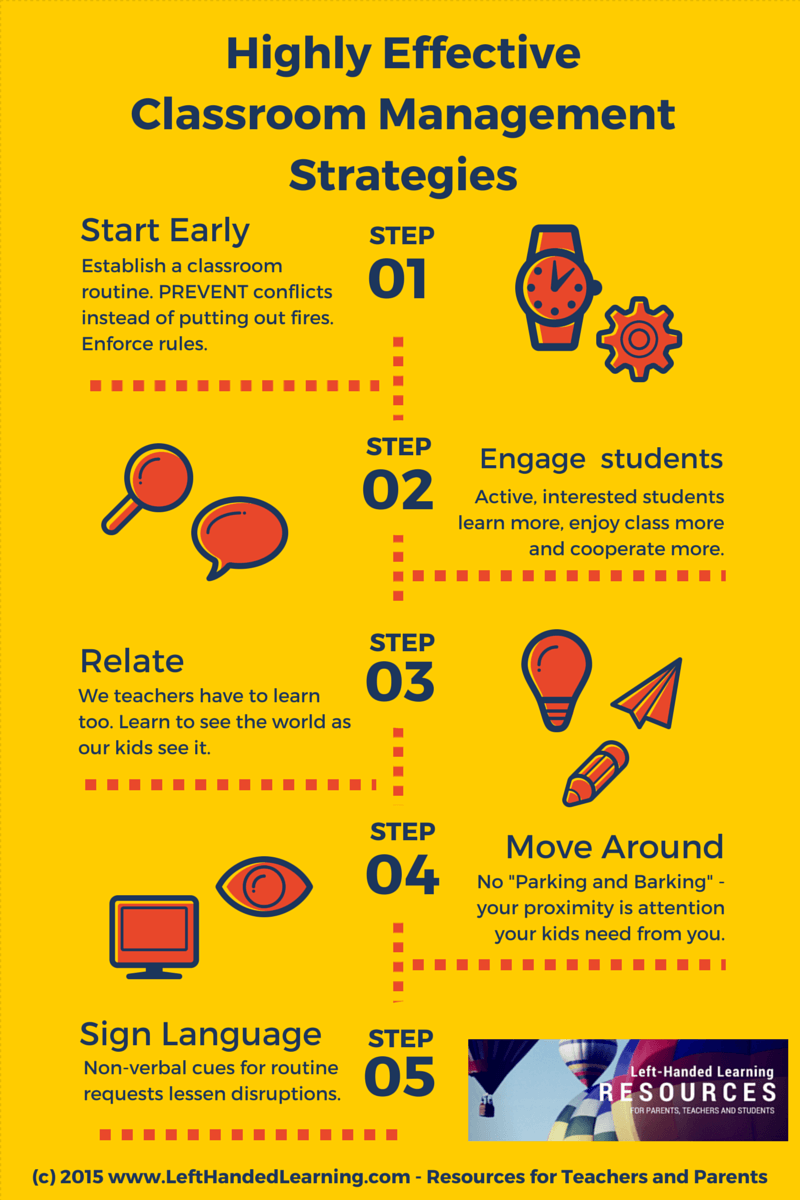
Classroom management strategies are essential for creating a conducive and cooperative learning environment. When it comes to alternative schooling and education, where collaboration and teamwork play a crucial role in the learning process, implementing effective classroom management techniques becomes even more important.
One popular approach to classroom management in cooperative learning settings is establishing clear expectations and guidelines from the very beginning. This includes setting rules for respectful communication, active listening, and mutual support among students. By involving students in the creation of these guidelines, they develop a sense of ownership over their behavior and are more likely to adhere to them.
Another strategy is providing structure through well-defined roles within groups or teams. Assigning specific responsibilities such as timekeeper, recorder, or facilitator helps distribute tasks evenly among students while fostering accountability and cooperation. Rotating these roles allows everyone to have an opportunity to develop different skills and take on leadership positions.
Effective communication is key in cooperative learning environments. Teachers can promote positive interactions by teaching active listening techniques like paraphrasing or asking clarifying questions. Encouraging students to express their ideas respectfully ensures that all voices are heard without dominating the conversation.
Using visual cues can also be helpful in managing the classroom during cooperative learning activities. Signal systems such as raising hands or using colored cards can allow teachers to easily monitor group progress without interrupting their discussions constantly.
Incorporating regular opportunities for reflection and debriefing sessions is another valuable technique for promoting self-awareness and personal growth within collaborative classrooms. These sessions provide space for students to evaluate their own contributions, assess group dynamics, identify areas for improvement, celebrate successes, and set goals collectively.
Teachers should also be prepared with intervention strategies when conflicts arise between students during group work. Mediation techniques like restorative circles or guided discussions help resolve conflicts peacefully by encouraging empathy-building conversations rather than punishment-oriented approaches.
Lastly, it’s important for educators to model desired behaviors themselves through positive reinforcement and encouragement. Acknowledging individual and group achievements, providing constructive feedback, and showing appreciation for effort fosters a positive learning climate that motivates students to actively participate.
In conclusion, implementing effective classroom management strategies is vital in cooperative learning environments. By setting clear expectations, establishing roles, promoting effective communication, using visual cues, facilitating reflection sessions, intervening in conflicts constructively, and modeling desired behaviors themselves; teachers can create an environment where cooperation thrives and alternative schooling and education flourish.
 Alternative Amie
Leave a comment