Unschooling: A Flexible and Personalized Approach to Education
Education is a fundamental aspect of every child’s life, shaping their knowledge, skills, and perspectives. However, traditional schooling methods may not be suitable for every child. This is where unschooling comes in – an alternative approach that aims to provide a more flexible and personalized education experience.
What is Unschooling?
Unschooling is a philosophy that challenges the traditional school system by shifting the focus from structured curriculum and formal teaching to self-directed learning. It encourages children to pursue their interests and passions while providing them with resources and guidance when needed.
Unlike conventional schools where students follow a prescribed curriculum, unschoolers are free to explore various subjects based on their individual interests. They learn through real-life experiences, hands-on activities, conversations with others, and utilizing community resources such as libraries, museums, or even online platforms.
The Core Principles
Unschooling operates on several core principles:
1. Self-Directed Learning: Unschoolers take complete control of their education journey by following their own curiosity and interests. This leads to intrinsic motivation as they become active participants in determining what they want to learn.
2. Individualization: Each child has unique strengths, weaknesses, talents, and passions. Unschooling recognizes this individuality by tailoring the learning process accordingly. Children can delve deep into subjects they find fascinating while spending less time on areas that don’t engage them as much.
3. Flexibility: Unlike traditional schools’ rigid schedules and timetables, unschooling allows for flexibility in terms of timing and pace of learning. Students have the freedom to choose when they want to study particular topics or pursue certain activities.
4. Real-World Application: Instead of focusing solely on theoretical knowledge detached from reality, unschoolers emphasize applying knowledge in practical contexts relevant to everyday life situations or future aspirations.
5. Trust in Natural Development: Unschooled children are believed to naturally develop their skills and knowledge by engaging with the world around them. Parents and educators trust that given enough freedom, children will seek out experiences that facilitate growth in various areas.
How Unschooling Works
Unschooling can be implemented in different ways depending on the family’s preferences and resources available. However, some common practices include:
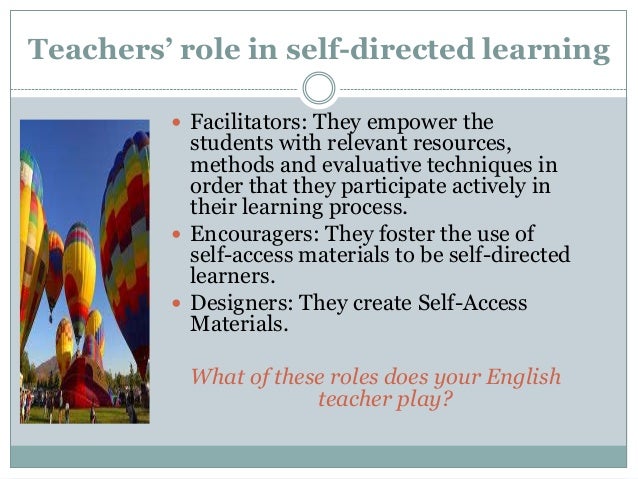
1. Encouraging Curiosity: Unschoolers are encouraged to ask questions, explore topics of interest, and pursue their natural curiosities. Parents act as facilitators, helping children find resources or connecting them with mentors who can support their learning journey.
2. Resourceful Learning: The world becomes a classroom for unschoolers. They utilize community resources like libraries, museums, parks, or local businesses to enhance their understanding of different subjects.
3. Embracing Technology: With advancements in technology, unschoolers have access to a vast range of online platforms offering educational content. These resources can supplement traditional textbooks or provide specialized knowledge when exploring specific interests.
4. Building Networks: Unschooling communities often come together to share ideas and experiences through local meetups or online forums. This allows both parents and students to connect with like-minded individuals and foster social interactions.
Benefits of Unschooling
Unschooling offers numerous benefits for students:
1. Passionate Pursuit: By giving students the freedom to follow their passions, unschooling nurtures a love for learning that extends beyond the classroom walls.
2. Individualized Attention: With no rigid curriculum dictating what needs to be learned at any given time, unschooled children receive personalized attention tailored specifically towards their unique strengths and interests.
3. Skill Development: As they explore diverse subjects aligned with their passions, unschooled children naturally develop critical thinking skills, problem-solving abilities, creativity, communication skills through real-life situations they encounter regularly.
4. Emotional Well-being: Traditional schooling systems often impose stress and pressure on students. Unschooling, on the other hand, allows children to learn at their own pace, reducing anxiety and promoting emotional well-being.
5. Autonomy and Responsibility: Unschoolers gain a sense of autonomy over their education and develop responsibility for managing their time effectively, setting goals, and taking ownership of their learning process.
Critics’ Concerns
While unschooling has its proponents, there are critics who raise concerns about potential gaps in knowledge or lack of structure in an unschooled child’s education. However, it is important to note that unschooling does not advocate for a complete absence of structure but rather emphasizes flexibility within a child-directed framework.
Additionally, unschoolers often engage with various resources outside traditional schooling systems – mentors, community organizations or online platforms – which can help fill any perceived gaps while still allowing children to maintain control over their learning experiences.
In Conclusion
Unschooling challenges the conventional notions of education by prioritizing personalized learning experiences driven by curiosity and individual interests. By embracing flexible approaches and real-world application of knowledge, unschooled children have the opportunity to become lifelong learners who are motivated by self-discovery rather than external pressures.
It is essential for parents considering this alternative approach to research extensively and evaluate whether it aligns with both their child’s needs and the available resources within their community. Ultimately, unschooling empowers students to take charge of their education journey while nurturing a love for learning that extends far beyond the confines of traditional classrooms.
 Alternative Amie
Leave a comment