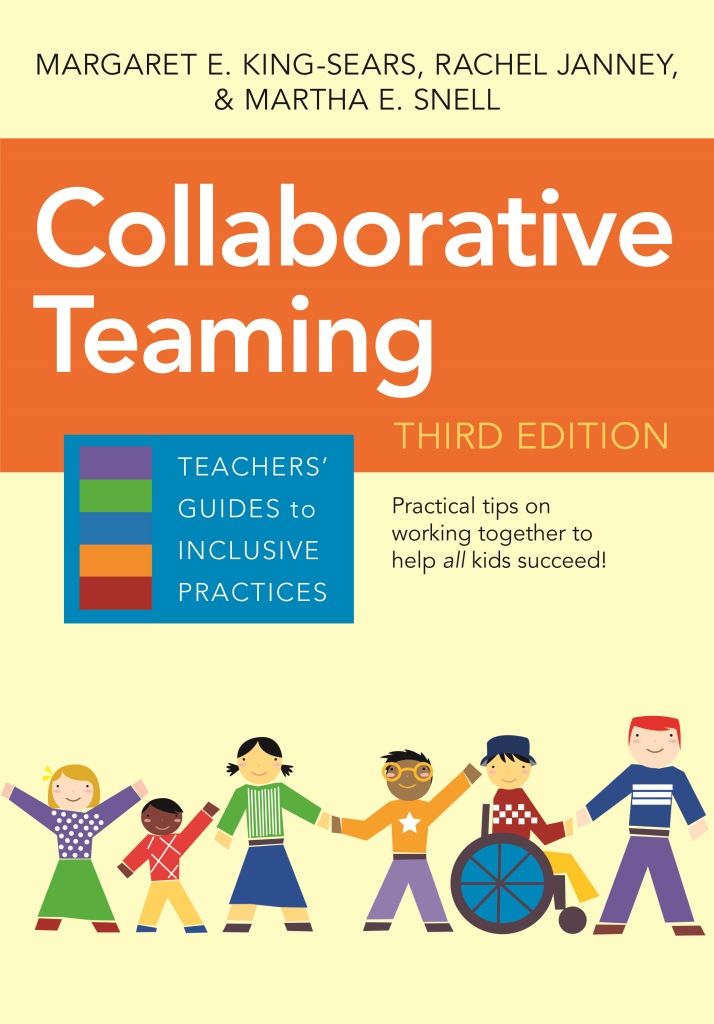
Co-op resources and materials are valuable assets that can greatly enhance the alternative schooling experience. Whether you are a homeschooling parent, an educator in a non-traditional school setting, or a student seeking additional support outside of the traditional classroom, co-op resources offer a wealth of knowledge and opportunities for collaboration.
One of the primary benefits of co-op resources is the sense of community they foster. Co-ops bring together like-minded individuals who share similar educational philosophies and goals. This creates an environment where students can learn from each other’s experiences and collaborate on projects or activities. The collective wisdom and expertise within a co-op provide valuable insights that go beyond what can be gained from textbooks or online courses alone.
In addition to fostering community, co-op resources often offer diverse learning opportunities. Many co-ops have specialized classes or workshops taught by experts in various fields. For example, a science-focused co-op might invite local scientists to give hands-on demonstrations or lead field trips to research facilities. These unique learning experiences not only make education more engaging but also expose students to different career paths and potential areas of interest.
Another advantage of utilizing co-op resources is access to shared materials and equipment. One challenge faced by alternative educators is acquiring expensive or specialized tools necessary for certain subjects such as science experiments, art supplies, or musical instruments. By pooling resources through cooperative arrangements, these items become more accessible to everyone involved, making it easier to provide well-rounded instruction in various disciplines.
Co-ops also serve as platforms for parents and educators to exchange teaching strategies and curriculum ideas. In many cases, participants contribute their own lesson plans or teaching materials that have proven successful in their own educational journeys. This sharing culture allows for constant innovation within the group while providing new perspectives on how best to engage learners.
Moreover, cooperative education offers ample networking opportunities among both learners and instructors alike. Building connections with fellow students may lead to future collaborations on projects or even lifelong friendships. Educators, on the other hand, can establish professional relationships with like-minded colleagues, opening doors for potential job opportunities or partnerships in the field of education.
In terms of flexibility, co-op resources often allow for customized learning experiences tailored to individual needs. Unlike traditional school settings that follow a fixed curriculum, co-ops can adapt and modify their offerings based on student interests and abilities. This personalized approach ensures that each learner receives an education that aligns with their unique strengths and aspirations.
Lastly, co-op resources contribute to a sense of belonging and shared responsibility within the alternative schooling community. By actively participating in a cooperative environment, students learn important life skills such as teamwork, problem-solving, and effective communication. They also develop a sense of ownership over their education by actively engaging in decision-making processes within the co-op.
In conclusion, co-op resources are invaluable tools for alternative schooling and education. From fostering community and collaboration to providing diverse learning opportunities and shared materials/equipment, they offer numerous benefits to both learners and educators alike. By utilizing cooperative arrangements within educational settings, individuals can enrich their learning experiences while building lasting connections with others who share similar goals and values.
 Alternative Amie
Leave a comment