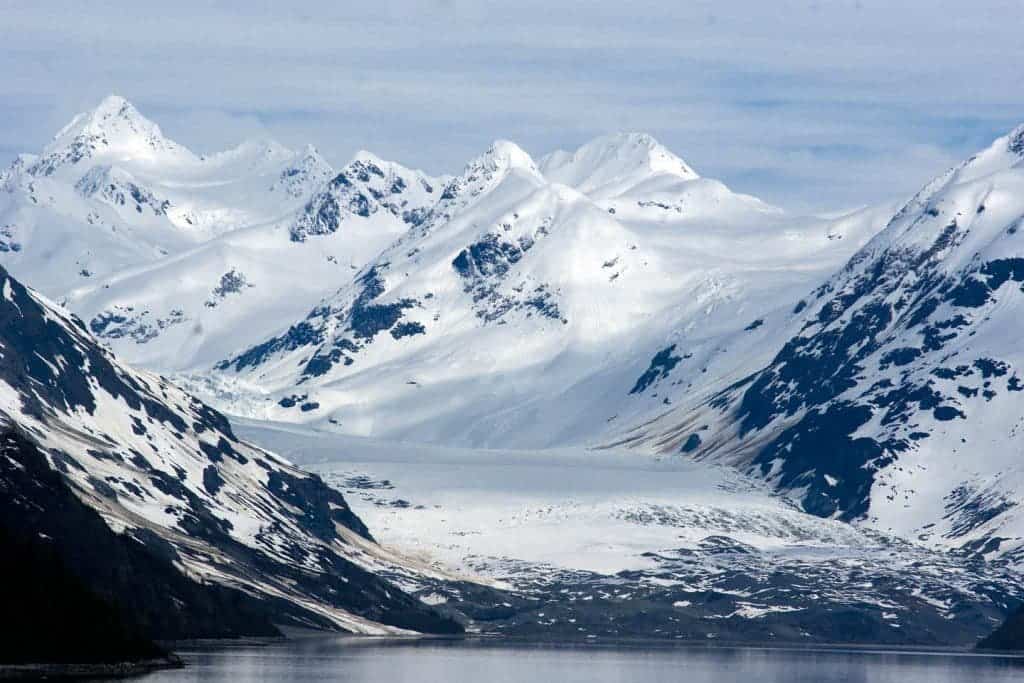
The Tundra: A Unique and Inspiring Classroom
Education is not confined to the walls of a traditional classroom. There are countless opportunities for learning in the world around us, and one of the most extraordinary classrooms nature has to offer is the tundra. With its vast expanse of frozen landscapes, unique flora and fauna, and extreme conditions, the tundra offers a wealth of educational experiences that can inspire students in ways they never imagined.
The word “tundra” comes from a Finnish word meaning “treeless plain,” which accurately describes this fascinating ecosystem found primarily in high-latitude regions near the Arctic Circle. Although it may appear barren at first glance, the tundra is teeming with life and holds valuable lessons waiting to be discovered.
Perhaps one of the most captivating aspects of studying the tundra is its remarkable adaptability. The plants and animals that call this harsh environment home have developed incredible survival strategies over thousands of years. From reindeer with their thick fur coats to musk oxen forming protective circles against predators, these creatures demonstrate resilience and resourcefulness that can serve as powerful examples for young learners facing their own challenges.
Exploring the tundra also provides an opportunity to understand climate change on a tangible level. As temperatures rise worldwide, this fragile ecosystem faces unprecedented changes that affect both wildlife and indigenous communities who rely on it for sustenance. Witnessing firsthand how melting permafrost impacts migratory patterns or how shrinking sea ice affects polar bears can foster empathy and motivate students to take action towards environmental conservation.
Furthermore, studying the tundra encourages interdisciplinary learning by integrating various subjects such as biology, geography, ecology, geology, climatology, anthropology, cultural studies – just to name a few! Whether examining soil composition through permafrost cores or analyzing satellite imagery to study vegetation patterns over time or delving into indigenous cultures deeply connected with this land – there are endless avenues for exploration within this unique ecosystem.
One of the most accessible ways to engage with the tundra is through virtual field trips. With advancements in technology, students can now “visit” the tundra without leaving their classrooms. Virtual reality experiences or live webcams allow them to observe wildlife, interact with scientists, and explore remote regions that would otherwise be inaccessible. These immersive experiences provide a valuable alternative for schools lacking the resources or means for physical travel.
However, for those fortunate enough to embark on a real-life journey to the tundra, it is an experience unlike any other. Standing amidst vast stretches of frozen plains under a sky illuminated by dancing northern lights evokes feelings of awe and wonderment. It is an opportunity to disconnect from modern distractions and connect deeply with nature—a chance for reflection and personal growth.
While physically present in this incredible classroom, students can actively participate in citizen science projects aimed at collecting data on various aspects of the tundra ecosystem. By contributing valuable information about plant phenology or animal behavior through observations and measurements, they become part of a global effort dedicated to understanding these fragile environments better.
Additionally, engaging with indigenous communities living in close proximity to the tundra provides invaluable cultural insights that enrich educational experiences further. Learning about traditional knowledge systems passed down through generations fosters appreciation for different ways of life while highlighting interconnectedness between humans and nature.
The impact of studying the tundra goes beyond academic learning; it also nurtures important life skills such as resilience, adaptability, teamwork, problem-solving, and critical thinking. The challenges posed by this unique environment demand creativity and determination from both educators and students alike.
Education should not solely focus on theoretical knowledge but also empower young individuals by instilling values like environmental stewardship and global citizenship. Studying the tundra offers an excellent platform for discussing broader issues related to sustainability and our collective responsibility towards preserving Earth’s delicate ecosystems.
In conclusion, whether experienced virtually or firsthand through physical exploration, the tundra offers a remarkable classroom like no other. This unique ecosystem encourages students to step outside their comfort zones, embrace challenges, and develop a deep appreciation for the natural world. By immersing themselves in this awe-inspiring environment, young learners can gain valuable knowledge, foster critical skills, and cultivate a lifelong love for nature—a gift that will last far beyond their time spent in traditional classrooms. So let us venture into the tundra and uncover its hidden wonders together!
 Alternative Amie
Leave a comment