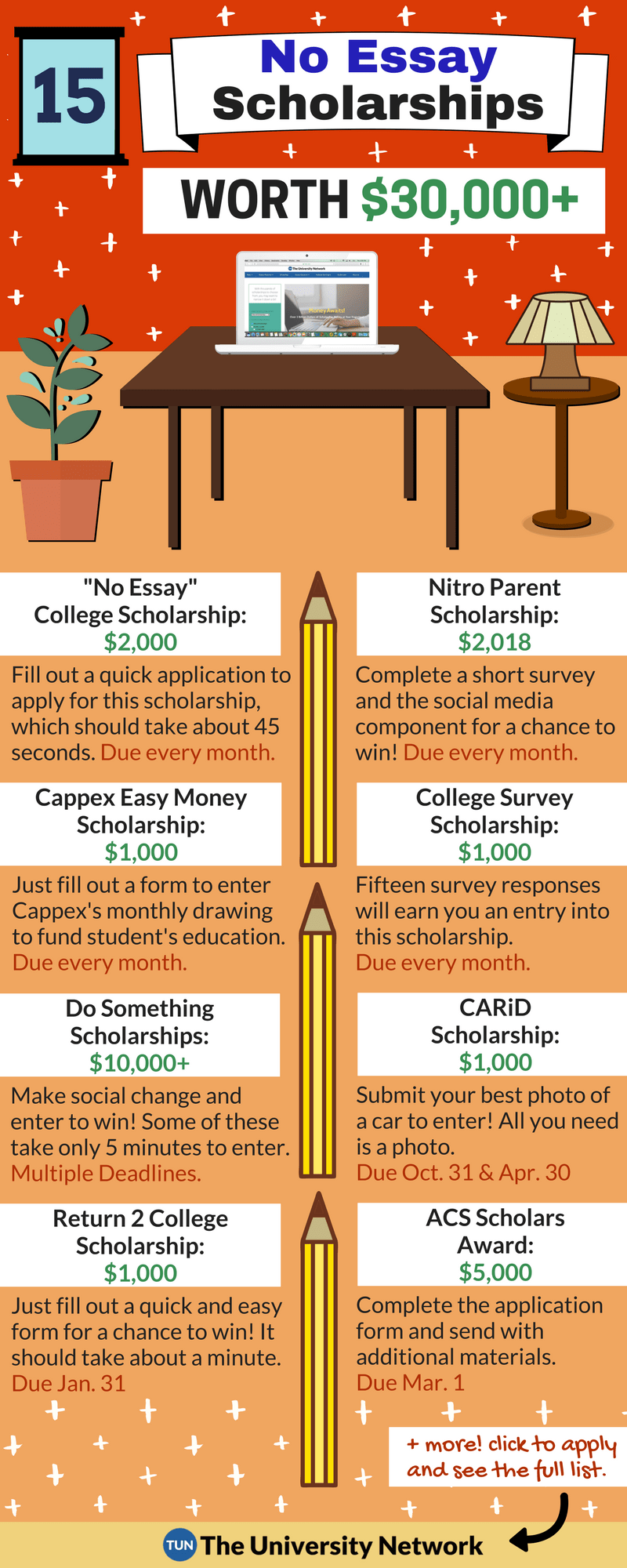
Scholarships: Unlocking Opportunities for Alternative Schooling and Education
Introduction:
In a rapidly changing world, alternative schooling and education have gained significant popularity. These non-traditional approaches to learning provide students with unique opportunities to explore their passions, develop critical thinking skills, and pursue unconventional career paths. However, the cost of alternative education can often be a barrier for many individuals who aspire to engage in these transformative experiences. Fortunately, scholarships play a crucial role in making alternative schooling accessible to all.
In this article, we will delve into the realm of scholarships that support alternative schooling and education. We will discuss various types of scholarships available, the benefits they offer to students pursuing non-traditional educational paths, and how one can go about finding and applying for these opportunities.
Types of Scholarships:
1. Alternative Education Scholarships:
These scholarships are specifically designed for students who wish to enroll in or continue their studies at an alternative school or program. They cover tuition fees, textbooks, supplies, and sometimes even living expenses. Organizations like The Alternative Education Foundation (AEF) provide financial assistance through merit-based scholarships or need-based grants.
2. Subject-Specific Scholarships:
Many organizations recognize the importance of specialized education in certain fields such as arts, music, sports, or technology. These subject-specific scholarships aim to nurture talent by supporting individuals who demonstrate exceptional abilities in their chosen field of interest.
3. Community-Based Scholarships:
Numerous community organizations believe in supporting local talents and providing them with equal educational opportunities despite financial constraints. Community-based scholarships not only help deserving students pursue alternative schooling but also promote growth within communities as recipients give back after completing their education.
Benefits of Scholarships for Alternative Schooling:
1. Financial Assistance:
The most apparent advantage is that scholarships alleviate financial burdens associated with alternative schooling programs that may be more expensive than traditional institutions. By covering tuition fees or providing grants for study-related expenses like books and supplies, scholarships make it possible for students to focus on their education without worrying about financial constraints.
2. Empowerment and Independence:
Scholarships empower students by giving them the freedom to choose alternative educational paths that align with their interests and goals. The financial support provided allows individuals to explore unconventional learning experiences and gain independence in shaping their own academic journey.
3. Networking Opportunities:
Many scholarship programs offer more than just monetary assistance. They often provide access to a network of professionals, mentors, or like-minded peers who can guide students throughout their educational journey. Such connections can open doors to internships, job opportunities, and collaborations that enhance personal growth and career prospects.
Finding Scholarships for Alternative Schooling:
1. Research Online:
The internet has made it easier than ever before to find scholarships tailored specifically for alternative schooling. Websites like Fastweb.com, Scholarships.com, or CollegeBoard.org offer comprehensive databases where prospective students can search for relevant scholarships based on criteria such as location, field of study, or level of education.
2. Reach Out to Institutions:
Alternative schools themselves may have scholarship programs or partnerships with organizations offering financial aid opportunities for students attending their programs. It is advisable to reach out directly to these institutions and inquire about any available scholarships or grants.
3. Check Local Community Organizations:
Community-based organizations such as foundations, nonprofits, religious groups, or cultural associations often provide scholarships focused on supporting local talent within alternative schooling environments. Exploring these resources not only increases your chances of finding suitable funding but also strengthens community ties.
Applying for Scholarships:
1. Read Eligibility Criteria Thoroughly:
Before applying for any scholarship opportunity, carefully review the eligibility requirements outlined by the granting organization. Ensure you meet all criteria related to age restrictions, academic performance benchmarks if applicable (GPA), residency status (local/national/international), etc.
2. Prepare Required Documents:
Most scholarship applications require certain documents such as transcripts, letters of recommendation, personal statements, or portfolios. Begin gathering these materials well in advance to avoid last-minute stress. Focus on presenting a compelling narrative that highlights your passion for alternative schooling and explains how it aligns with your future goals.
3. Respect Deadlines:
Meeting application deadlines is crucial as late submissions are generally not accepted. Create a timeline to stay organized and ensure you have ample time to complete all necessary steps before the deadline approaches.
4. Seek Guidance:
If available, seek guidance from teachers, mentors, or advisors who can assist you throughout the process. They can provide valuable insights into crafting effective essays or showcasing your achievements in a meaningful way.
Conclusion:
Scholarships play an instrumental role in making alternative schooling accessible and affordable for individuals seeking non-traditional educational paths. By providing financial assistance and opening doors to unique networking opportunities, scholarships empower students to explore their passions and unlock their full potential.
In this article, we explored various types of scholarships available for alternative schooling programs such as subject-specific scholarships or community-based grants. We discussed the benefits these scholarships offer beyond financial aid – empowering students with independence, networking opportunities, and access to specialized education.
Lastly, we provided tips on finding suitable scholarship opportunities through online research, reaching out directly to institutions offering alternative education programs, and exploring local community organizations. Additionally, we highlighted essential steps involved in the scholarship application process – understanding eligibility criteria thoroughly while preparing required documents within specified deadlines.
By actively pursuing scholarship opportunities that support alternative schooling and education initiatives, aspiring learners can overcome financial barriers and embark upon transformative educational journeys that align with their interests and aspirations.
 Alternative Amie
Leave a comment