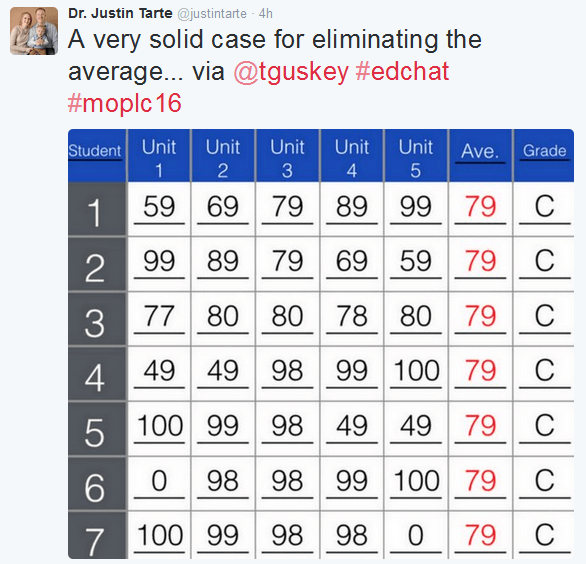
Alternative grading systems have gained significant attention in recent years as educators and students alike seek more effective ways to assess learning outcomes. Traditional letter grades, such as A, B, C, D, and F, often fail to capture the nuances of a student’s abilities or growth. As a result, alternative grading systems have emerged that aim to provide a more comprehensive evaluation of student performance.
One popular alternative grading system is competency-based assessment. This approach focuses on measuring specific skills or competencies rather than assigning overall grades for subjects or courses. Students are assessed based on their ability to demonstrate mastery of predetermined learning objectives. Competency-based assessment allows students to progress at their own pace and ensures that they have acquired essential knowledge before moving on to more advanced topics.
Another alternative grading system gaining traction is narrative feedback. Instead of assigning letter grades or numerical values, teachers provide detailed written descriptions of a student’s strengths and areas for improvement. Narrative feedback encourages ongoing communication between educators and students while offering personalized guidance for growth.
Additionally, some schools have adopted rubrics as an alternative grading tool. Rubrics outline specific criteria for evaluating assignments or projects and assign scores based on how well students meet these criteria. By providing clear expectations and guidelines, rubrics promote transparency in grading while allowing for individualized assessment.
Furthermore, many educational institutions are exploring the use of portfolios as an alternative way to evaluate student work. Portfolios allow students to showcase their best pieces across various subjects or disciplines over time. This method emphasizes the process of learning rather than just final outcomes by encouraging reflection and self-assessment.
Lastly, some schools are experimenting with self-assessment and peer assessment models where students actively participate in evaluating their own work or assessing their peers’ performance. These approaches foster critical thinking skills, collaboration among students, and ownership over one’s learning journey.
In conclusion, traditional letter grades may not adequately reflect a student’s true capabilities nor promote holistic development; hence the rise of alternative grading systems. Competency-based assessment, narrative feedback, rubrics, portfolios, and self/peer assessment offer more nuanced ways to evaluate student performance while encouraging a growth mindset and a deeper understanding of the learning process. As educators continue to explore these alternatives, the goal remains the same: to create fairer and more meaningful assessments that support students’ individual growth and success in their educational journey.
 Alternative Amie
Leave a comment