Benefits of Mixed-Age Groupings in Multiage Classrooms
Multiage classrooms, also known as mixed-age groupings, have gained popularity in recent years as an alternative approach to traditional single-grade classrooms. In a multiage classroom, students from different age groups are combined and taught together by the same teacher. This approach offers several benefits for both students and teachers.
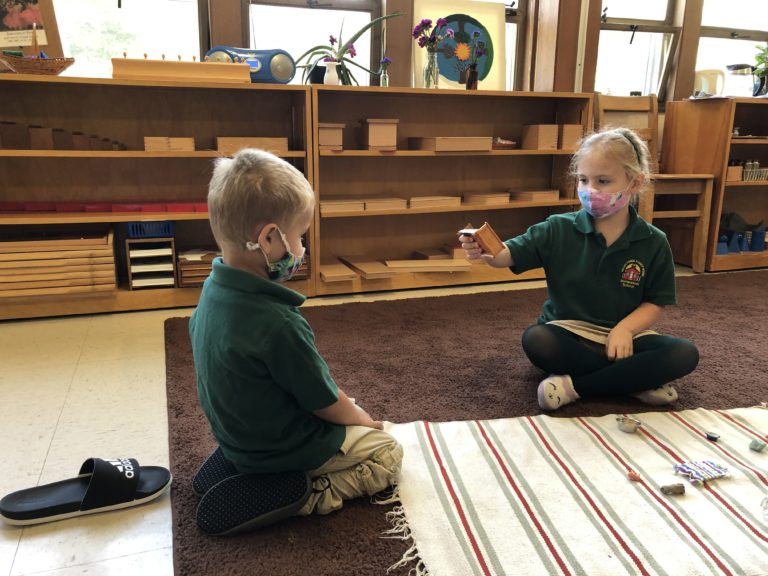
One of the key advantages of mixed-age groupings is the opportunity for peer learning and mentoring. Younger students can learn from their older peers who serve as role models, while older students reinforce their understanding of concepts by teaching younger ones. This fosters a sense of community and collaboration within the classroom, creating a positive learning environment where everyone is valued.
In addition to academic growth, multiage classrooms also support social-emotional development. Students have more opportunities to interact with children at different stages of development, which helps them develop empathy, patience, and respect for others’ differences. They learn how to navigate relationships with peers who may be at different skill levels or have varied interests and personalities.
Parental involvement plays a crucial role in supporting multiage classrooms. Parents can actively participate in their child’s education by volunteering during class activities or providing resources that benefit all students. They can also engage in regular communication with teachers to stay informed about their child’s progress and any specific needs they may have.
Implementing multiage classrooms in traditional school settings does come with its challenges. One major hurdle is adapting curriculum materials to meet the diverse needs of students across multiple grade levels. Teachers must carefully plan lessons that address individual learning goals while still meeting academic standards for each age group represented in the classroom.
Differentiated instruction strategies are essential when teaching a mixed-age group of learners. Teachers need to provide various instructional approaches, materials, and assessments that cater to individual student needs within the broader context of collective learning objectives. Small-group discussions or project-based assignments allow teachers to tailor instruction based on individual abilities and interests.
Assessing student progress in multiage classrooms can be more complex than in single-grade settings. Teachers must develop alternative assessment methods that accurately reflect each student’s growth and achievement, taking into account their unique starting points and learning trajectories. Portfolios, self-assessment tools, and conferences with students and parents can provide a comprehensive picture of student development over time.
Creating a strong sense of community is vital in multiage classrooms. Teachers can cultivate this by organizing regular class meetings where students share experiences, celebrate achievements, and problem-solve together. Collaborative projects that involve students from different age groups also help foster a sense of belonging and respect among peers.
Collaborative learning opportunities are abundant in mixed-age groupings. Students learn to work together effectively as they engage in discussions, solve problems collectively, and complete projects collaboratively. This not only enhances their academic skills but also develops essential teamwork skills that prepare them for future collaboration outside the classroom.
Addressing the individual learning needs of students is an important aspect of multiage classrooms. By providing differentiated instruction tailored to each student’s abilities and interests, teachers can ensure that no child falls behind or feels unchallenged academically. Individualized support plans for struggling learners or advanced enrichment activities for high achievers are some strategies commonly used.
In conclusion, multiage classrooms offer numerous benefits such as peer learning opportunities, social-emotional development, parental involvement, customized instruction approaches, fostering independence skills, promoting cross-grade collaboration while balancing academic rigor within a positive community environment. However challenging it may be to implement these classrooms within traditional school settings requires careful curriculum planning along with alternative assessment methods to evaluate student progress accurately. With proper support from teachers and parents alike, mixed-age groupings have the potential to create inclusive educational environments where all learners thrive.
 Alternative Amie
Leave a comment