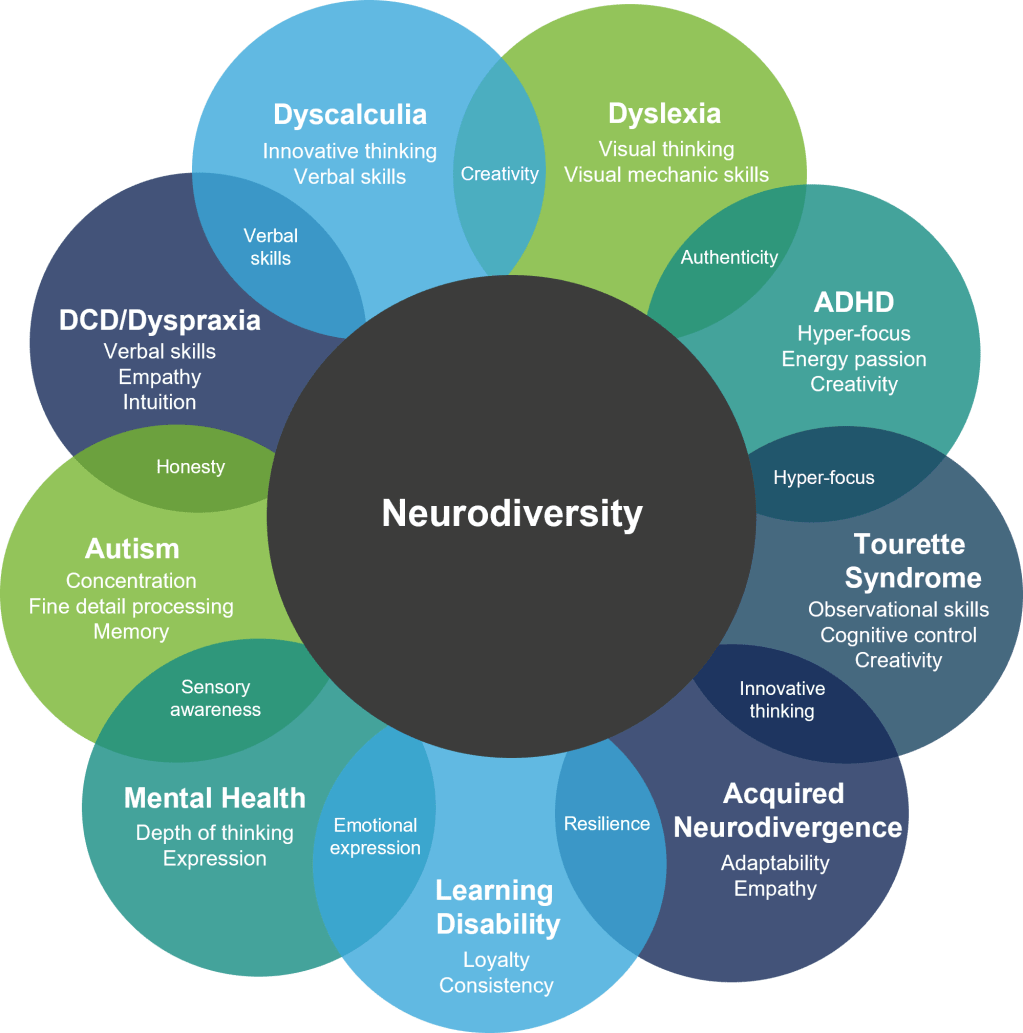
Neurodiversity in the Workplace: Embracing Differences for Success
Introduction:
In recent years, there has been a growing recognition and understanding of neurodiversity. Neurodiversity is a concept that recognizes and celebrates the natural variations in human neurology, including conditions such as autism, ADHD, dyslexia, and others. While traditional education systems often struggle to accommodate these differences, workplaces have also started to acknowledge the benefits of embracing neurodiverse individuals. In this article, we will delve into how fostering an inclusive environment that values neurodiversity can lead to improved productivity, creativity, and overall success in the workplace.
Understanding Neurodiversity:
To fully appreciate the significance of neurodiversity in the workplace, it is crucial to understand what it entails. Neurological differences exist on a spectrum; therefore, individuals with diverse brains possess unique strengths and abilities. For instance, people diagnosed with autism tend to excel at attention to detail and pattern recognition while struggling with social interactions or communication skills. Similarly, those with ADHD may exhibit hyperfocus abilities that allow them to excel when working on tasks they find interesting or stimulating.
Challenging Traditional Norms:
Historically speaking, workplaces have operated under a one-size-fits-all model where conformity was highly valued. However, this approach fails to recognize that diversity brings varied perspectives and ideas which can ultimately strengthen organizations. By challenging traditional norms surrounding employees’ behaviors or limitations associated with their neurological differences, businesses can tap into untapped potential.
Benefits of Embracing Neurodiversity:
1. Enhanced Problem-solving:
Neurodiverse individuals often possess extraordinary problem-solving capabilities due to their ability to think outside the box. Their unique perspectives enable them to approach challenges from unconventional angles that may not be apparent to others.
2. Attention-to-Detail:
Individuals on the autism spectrum are known for their keen attention-to-detail skills. This can be highly valuable in fields such as quality control, data analysis, or research where precision is crucial.
3. Creativity and Innovation:
Neurodiverse individuals frequently exhibit high levels of creativity and innovative thinking. Their ability to see connections that others may miss can lead to groundbreaking ideas and solutions.
4. Increased Productivity:
When neurodiverse individuals are provided with an environment tailored to their needs, they can thrive and increase overall productivity. Accommodations such as flexible work hours or noise-cancelling headphones can significantly improve focus and concentration.
Creating an Inclusive Workplace:
To foster a truly inclusive workplace that embraces neurodiversity, organizations should consider implementing the following strategies:
1. Education and Training:
Providing education about neurodiversity to all employees helps create awareness and empathy within the workplace. This knowledge equips colleagues with a better understanding of their neurodiverse peers’ strengths, challenges, and support requirements.
2. Sensory-friendly Environments:
Sensory overload is a common challenge for many neurodiverse individuals. Employers should strive to create sensory-friendly environments by minimizing excessive noise, providing natural lighting options, offering quiet spaces for breaks or meetings, among other accommodations.
3. Flexible Work Arrangements:
Flexibility in work arrangements allows individuals with neurological differences to optimize their performance according to their unique needs. Offering remote work options or flexible schedules enables them to manage potential challenges more effectively while still contributing positively to the organization’s goals.
4.Providing Clear Communication Channels:
Clear communication channels are essential for effective collaboration between neurodiverse employees and their colleagues/managers. It’s important for employers to establish open lines of communication so that everyone feels comfortable discussing any concerns or requesting necessary accommodations without fear of judgment or retribution.
Conclusion:
Embracing neurodiversity in the workplace is not only morally right but also makes good business sense. By recognizing the strengths and unique abilities that neurodiverse individuals bring to the table, organizations can create a more inclusive environment where productivity, creativity, and innovation thrive. By challenging traditional norms and implementing strategies to support neurodiverse employees, businesses can harness the full potential of their diverse workforce and pave the way for a more successful future.
 Alternative Amie
Leave a comment