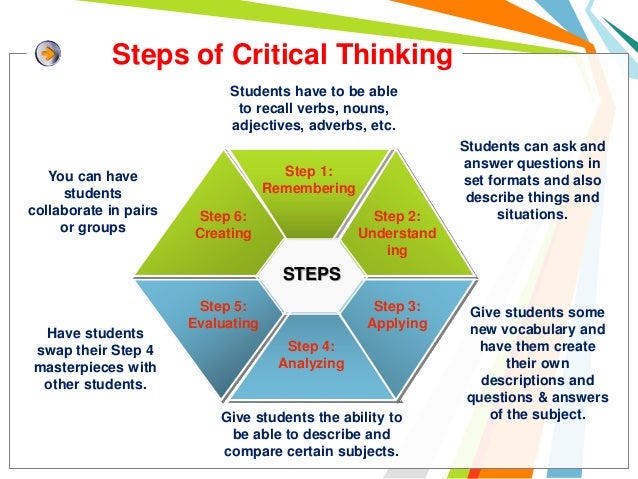
Critical thinking skills development is an essential aspect of education that goes beyond rote memorization and regurgitation of information. It involves the ability to analyze, evaluate, and synthesize information in order to make informed decisions and solve problems effectively. In today’s rapidly changing world, where information is abundant but often misleading or biased, honing critical thinking skills has become more crucial than ever.
Traditional education systems have historically focused on imparting knowledge rather than fostering critical thinking abilities. However, alternative schooling and education approaches recognize the importance of developing these skills early on and integrating them into the curriculum. By doing so, students are better equipped to navigate complex issues, think independently, consider multiple perspectives, and arrive at well-reasoned conclusions.
One method employed by alternative schools is inquiry-based learning. This approach encourages students to ask questions and actively seek answers through research and investigation rather than relying solely on textbooks or lectures. By engaging in this process, students learn how to evaluate different sources of information critically. They develop the ability to distinguish between reliable sources with evidence-based claims from those that may be biased or lacking credibility.
Inquiry-based learning also fosters problem-solving skills by presenting real-world scenarios for students to explore. These scenarios require analyzing data, identifying patterns or trends, considering various solutions to a problem, weighing pros and cons logically before arriving at a conclusion.
Another technique used in alternative education settings is project-based learning (PBL). PBL places emphasis on hands-on experiences that challenge students’ critical thinking capabilities while addressing real-life problems or challenges within their communities or broader society. Students work collaboratively in groups or individually under the guidance of teachers as facilitators rather than mere instructors.
Through PBL projects, students learn not only subject-specific knowledge but also develop transferable skills such as communication, teamwork collaboration and critical analysis – all vital components of critical thinking. For example; designing sustainable community gardens requires understanding environmental factors like soil quality and seasonal variations. Students must research, analyze data, propose solutions for challenges such as limited space or resource availability, and evaluate the potential impact on the community.
The integration of technology in education has also opened up new avenues for developing critical thinking skills. Digital literacy is an essential aspect of modern education, enabling students to navigate the vast amount of information available online critically. However, it’s crucial to teach students how to discern reliable sources from misinformation or fake news that can easily sway opinions if not objectively evaluated.
Alternative schools often incorporate media literacy programs into their curriculum to equip students with the tools needed to critically assess digital content. This includes teaching them how to fact-check sources, identify bias or propaganda techniques employed in various media formats like articles, videos or social media posts. By enhancing their ability to scrutinize information presented through different mediums, students are better able to form well-informed opinions and make sound judgments.
Beyond these specific approaches used by alternative schools, there are several general strategies that educators can employ across different subjects and grade levels to foster critical thinking skills development:
1. Encourage open-ended questions: Instead of relying solely on closed-ended questions with single correct answers, encourage students to explore open-ended questions that require analysis and evaluation. These types of questions promote higher-order thinking skills as students engage in reasoning and problem-solving processes.
2. Teach argumentation: Provide opportunities for students to engage in debates or discussions where they need to present evidence-based arguments supporting their positions while considering counterarguments. This helps develop logical reasoning abilities while encouraging respectful dialogue between differing viewpoints.
3. Cultivate curiosity: Foster a sense of curiosity within students by encouraging them to ask “why” and “how” when learning new concepts or ideas. Encouraging curiosity stimulates independent thinking and motivates learners towards seeking deeper understanding beyond surface-level knowledge.
4. Reflective journaling: Incorporate reflective writing exercises into lessons where students can express their thoughts about what they have learned, identify areas of confusion, and connect new information with prior knowledge. This process encourages metacognition and helps students develop a habit of thinking critically about their own learning experiences.
5. Offer real-world applications: Integrate real-world examples and case studies into the curriculum to demonstrate how concepts learned in the classroom apply to practical situations. This helps students see the relevance of what they are learning, encourages critical analysis of scenarios, and strengthens problem-solving skills.
6. Encourage independent research: Assign projects or assignments that require independent research on topics related to the subject being taught. This allows students to dive deeper into specific areas of interest, gather information from diverse sources, analyze data critically, and present well-supported conclusions.
7. Create a supportive environment: Establish a classroom culture that values critical thinking by encouraging respectful questioning and open dialogue. Create space for students to challenge ideas respectfully while fostering an atmosphere where mistakes are viewed as opportunities for growth rather than failures.
In conclusion, critical thinking skills development is crucial for equipping students with the ability to navigate an increasingly complex world successfully. Alternative schools recognize this need and employ various strategies like inquiry-based learning, project-based learning, media literacy programs along with general techniques such as open-ended questions and reflective journaling to foster these skills effectively. By integrating critical thinking throughout the curriculum from early education onwards, alternative schooling approaches empower learners with invaluable tools that will benefit them academically as well as in their personal lives beyond school walls
 Alternative Amie
Leave a comment