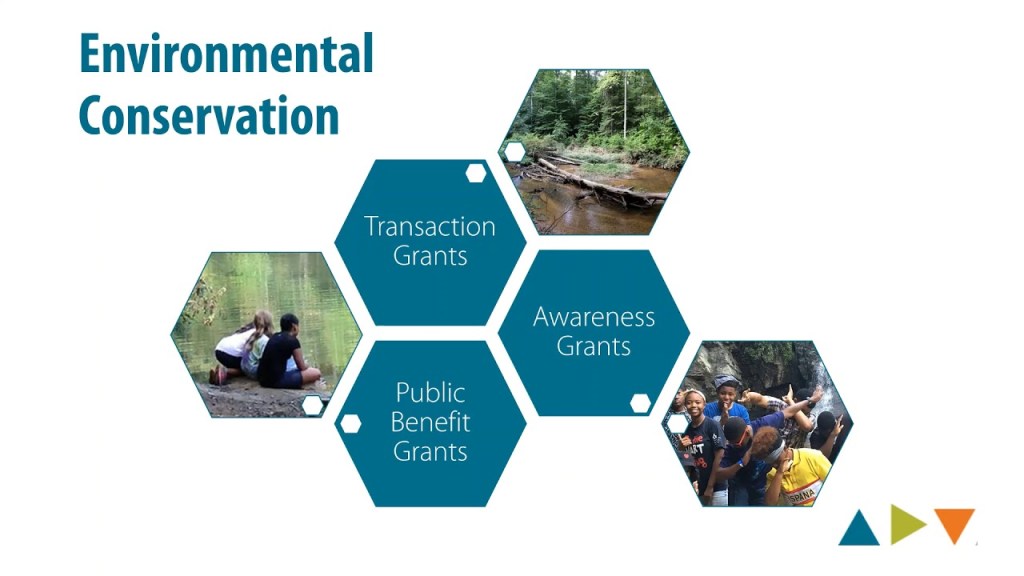
Environmental Conservation Unit Studies: Fostering a Love for Nature and Sustainability in Alternative Education
In today’s world, there is an increasing need to educate our children about the importance of environmental conservation. With issues such as climate change, deforestation, and pollution becoming more pressing than ever, it is crucial that we instill in our young minds a sense of responsibility towards the planet. One effective way to achieve this is through unit studies on environmental conservation.
Unit studies are interdisciplinary approaches to learning that integrate various subjects around a central theme or topic. By immersing students in real-world problems and encouraging hands-on exploration, unit studies provide an engaging and holistic educational experience. When applied to environmental conservation, these unit studies can help foster a love for nature while equipping students with the knowledge and skills necessary to become environmentally conscious citizens.
One of the fundamental objectives of environmental conservation unit studies is to develop awareness and understanding of ecological systems. Students learn about ecosystems, biodiversity, food chains, and how all living organisms are interconnected. They explore natural habitats such as forests, wetlands, or oceans to observe firsthand the delicate balance within these environments.
Through field trips or virtual tours to local parks or nature reserves, students can engage with experts who explain the importance of preserving these areas for future generations. This direct interaction with professionals not only enhances their understanding but also allows them to witness passionate individuals dedicated to conserving our environment.
Another key aspect of environmental conservation unit studies involves teaching sustainable practices. Students delve into topics such as renewable energy sources like solar power or wind turbines and examine ways they can reduce waste by recycling or composting. These practical applications empower students with actionable steps they can take at home and in their communities to minimize their carbon footprint.
Moreover, creativity plays an essential role in fostering environmental consciousness through unit studies. Art projects centered around repurposing materials encourage resourcefulness while highlighting the value of reusing items rather than contributing further waste. This hands-on approach not only fosters creativity but also instills a sense of pride in students as they witness the impact of their actions.
Literature is another powerful tool that can be incorporated into environmental conservation unit studies. Books such as “The Lorax” by Dr. Seuss or “Hoot” by Carl Hiaasen provide compelling narratives that highlight the consequences of human actions on the environment. By discussing these stories, students develop critical thinking skills and empathy towards the natural world.
In addition to academic knowledge, environmental conservation unit studies also promote emotional connections with nature. Nature walks or camping trips allow students to experience firsthand the beauty and tranquility of our Earth’s landscapes. These experiences foster a sense of awe and wonder, deepening their appreciation for the natural world and motivating them to protect it.
Furthermore, collaboration and community engagement are key components in environmental conservation unit studies. Students can participate in group projects aimed at raising awareness about pressing environmental issues within their school or local community. Whether through organizing recycling campaigns or advocating for cleaner air quality, these activities empower students to become agents of change.
By incorporating technology into environmental conservation unit studies, educators can enhance learning opportunities beyond traditional classrooms. Virtual reality experiences can transport students to endangered ecosystems worldwide, immersing them in an interactive learning environment where they witness firsthand the effects of deforestation or climate change.
Additionally, connecting with experts from around the globe through video conferences allows students to engage in meaningful discussions about international efforts toward sustainability and conservation. These interactions broaden perspectives and inspire students by showcasing real-world solutions being implemented globally.
To evaluate student progress throughout these unit studies, project-based assessments are highly effective tools. Instead of relying solely on written exams, teachers can assign tasks such as creating informative brochures about local wildlife preservation or designing sustainable garden plans for their schoolyard. These assessments encourage critical thinking while allowing students to showcase their individual strengths and talents.
In conclusion, environmental conservation unit studies offer a comprehensive and engaging approach to educating students about the importance of protecting our planet. By immersing students in real-world problems, fostering creativity, emotional connections with nature, promoting collaboration and community engagement, and incorporating technology, these unit studies equip students with the knowledge and skills necessary to become environmentally conscious citizens.
Alternative education settings provide an ideal platform for implementing such unit studies as they often prioritize holistic learning experiences. By integrating environmental conservation into alternative schooling curricula, we can foster a generation of young individuals who are not only academically competent but also deeply committed to preserving our planet for future generations.
 Alternative Amie
Leave a comment