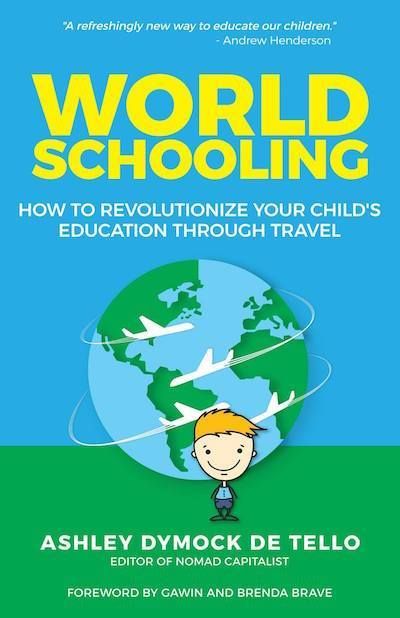
Road-schooling, also known as world-schooling or travel-based education, is a unique approach to learning that involves traveling and exploring different places while receiving an education. This alternative form of schooling allows children to experience the world firsthand, immersing themselves in different cultures, languages, and environments. One group of individuals who have embraced road-schooling are famous families who have opted for this unconventional educational method for their children. In this article, we will explore some notable examples of famous road-schoolers and how their experiences have shaped their lives.
1. The Jolie-Pitt Family:
Angelina Jolie and Brad Pitt are well-known advocates for travel-based education. During their relationship, they decided to take a proactive role in educating their six children by embarking on various adventures around the globe. The family traveled extensively throughout Europe, Asia, Africa, and America while incorporating traditional academic subjects into their daily routines. Their travels exposed the children to diverse cultures and taught them valuable life lessons beyond what could be learned from textbooks alone.
2. The Gifford Family:
Kathie Lee Gifford, former host of “Live with Regis and Kathie Lee,” chose road-schooling as a way to provide her two children with a hands-on education while she pursued her career in television broadcasting. The family often traveled together during breaks from filming or performing commitments. These experiences allowed her children to develop an appreciation for history, art, music, and geography by visiting museums, historical landmarks, concerts around the world.
3. The Maynard-Honore Family:
In 2008-2009 former White House Chief Environmental Advisor Van Jones along with his wife Jana Carter embarked on a year-long journey across all 50 states in an RV with their two young boys Ezra and Cabral-Marcus Honore-Jones who were aged four years old at the time.
The couple used this opportunity not just for sightseeing but also to educate their children about the social, economic, and environmental issues affecting different communities. This unique road-schooling experience exposed the boys to various perspectives on sustainability, climate change, and environmental justice.
4. The Salzman Family:
Daniel Salzman, a renowned neuroscientist and professor at Columbia University, decided to take his two sons out of traditional school in order to provide them with an alternative education through travel. The family spent several years traveling around the world while Daniel conducted research and gave lectures at universities worldwide. During these travels, his sons were able to witness firsthand how science is applied in different cultures and environments.
5. The Branson Family:
Sir Richard Branson, founder of Virgin Group, embraced road-schooling for his two children from a young age. As a business magnate and philanthropist who frequently traveled for work engagements and adventures around the globe, Sir Richard believed that real-life experiences would be more valuable than conventional schooling alone.
His children accompanied him on business trips where they gained exposure to entrepreneurship and global commerce while experiencing diverse cultures across continents.
These examples highlight how famous families have chosen road-schooling as a means of providing their children with an unconventional education that encompasses both academic subjects and life skills development. By immersing themselves in different cultures, languages, histories, arts, sciences, and societal issues worldwide; these road-schoolers have gained invaluable knowledge beyond what can be obtained within classroom walls.
Road-schooling offers numerous benefits such as building confidence through navigating unknown territories independently or mastering interpersonal skills by interacting with people from diverse backgrounds. It encourages adaptability by constantly adjusting to new environments while fostering curiosity through hands-on learning experiences not confined within textbooks.
However it is important to note that road-schooling is not without challenges; it requires careful planning by parents or guardians who must ensure access to educational resources such as curriculum materials or online programs wherever they go.
Moreover maintaining consistency may prove challenging due to the constantly changing nature of travel-based education. However, many road-schooling families find creative solutions or adapt educational approaches based on their unique circumstances.
In conclusion, famous road-schoolers have demonstrated how this unconventional approach to education can broaden horizons and provide a rich learning experience for children. By embracing travel as a means of education, these families have allowed their children to explore the world firsthand while gaining knowledge that extends far beyond what textbooks can offer. Road-schooling offers an alternative path for those seeking an immersive and holistic educational journey for their children.
 Alternative Amie
Leave a comment