When it comes to alternative schooling and education, hands-on experiments and observations play a crucial role in engaging students’ curiosity and fostering their understanding of scientific concepts. These activities not only make learning fun but also encourage critical thinking skills, problem-solving abilities, and a love for exploration. In this article, we will explore some fascinating science experiments and observations that can be incorporated into alternative educational settings.
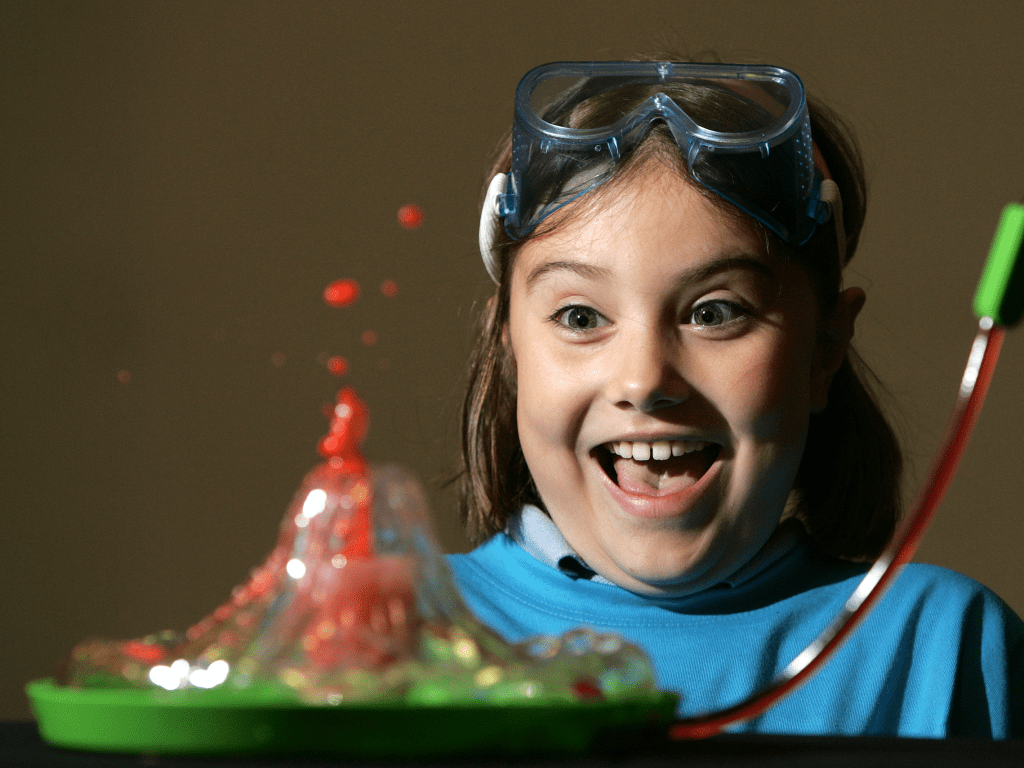
One popular experiment is the classic volcano eruption. By combining baking soda and vinegar, students can create a chemical reaction that produces carbon dioxide gas, resulting in an explosive eruption of “lava.” This experiment provides an excellent opportunity to discuss concepts such as chemical reactions, states of matter, and the Earth’s geological processes.
Another exciting observation activity involves creating homemade weather instruments. Students can construct a simple barometer using a jar filled with water inverted over a dish or cup partially submerged in water. As atmospheric pressure changes, the water levels inside the jar rise or fall accordingly. This experiment allows students to understand how air pressure affects weather patterns while encouraging them to track atmospheric changes on their own.
Incorporating plant growth experiments is another valuable way to teach biology concepts like photosynthesis and cellular respiration. For example, students can place white flowers in colored water solutions mixed with food coloring to observe how plants absorb liquids through their stems (capillary action). Over time, they will witness how the petals change color as the dye travels up from the roots.
Furthermore, exploring density through oil-and-water experiments is both entertaining and educational for students. By mixing different types of liquid with varying densities—such as oil and water—students can observe how these substances separate due to differences in molecular structure. The experiment highlights key principles related to buoyancy forces and provides insights into real-world phenomena like oil spills.
Lastly, constructing simple electrical circuits using batteries, wires, bulbs or LEDs offers hands-on experience with basic electronics principles. Students can learn about open/closed circuits, conductivity, and the flow of electric current. This experiment can be expanded to include switches, resistors, and capacitors for more advanced learners.
Alternative schooling and education environments provide a unique opportunity to engage students in meaningful scientific exploration. By incorporating these experiments and observations into the curriculum, educators can foster a love for science while developing crucial skills that will benefit students throughout their lives.
 Alternative Amie
Leave a comment