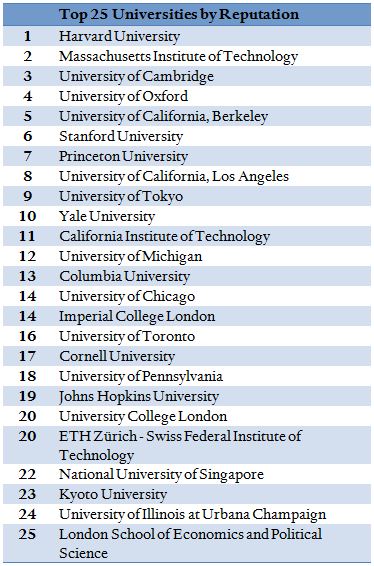
Panel Discussion: College Rankings and Reputation
Moderator: Welcome, everyone, to our panel discussion on college rankings and reputation. Today, we have a distinguished group of experts who will shed light on the various aspects of this topic.
On our panel today, we have:
1. Dr. Rachel Johnson – Professor of Higher Education
2. Mr. John Anderson – Admissions Counselor
3. Ms. Sarah Thompson – Student Affairs Coordinator
4. Dr. David Richards – Alumni Relations Director
Moderator: Let’s start by discussing the importance of college rankings in today’s society.
Dr. Johnson: College rankings play a significant role in influencing students’ decisions about where to apply and enroll for higher education. These rankings provide prospective students with an overview of an institution’s quality, academic offerings, faculty credentials, and student outcomes.
Mr. Anderson: I agree with Dr. Johnson; however, it is important to remember that rankings should not be the sole factor driving a student’s decision-making process regarding their higher education journey.
Ms. Thompson: Absolutely! While college rankings can serve as a starting point for students’ research into potential institutions, they must also consider their personal goals, interests, financial situation, location preferences, and other factors that are crucial to their overall educational experience.
Dr.Richards: It is also worth noting that while some prestigious universities consistently rank high on lists like the U.S News & World Report or Times Higher Education ranking systems due to their long-standing reputation and resources available to them these accolades do not necessarily mean they are the best fit for every individual student.
Moderator: That raises an interesting point – what criteria do these ranking systems use?
Dr.Johnson: Ranking methodologies vary across different organizations but generally include factors such as graduation rates, faculty-to-student ratios, endowment size or financial resources available per student,salary outcomes for graduates,and peer assessment surveys among others.This information is often collected through surveys, data reported by the institutions themselves, and public records.
Ms. Thompson: It’s crucial to recognize that rankings can be subjective and may not capture all aspects of an institution. For example, they might overlook unique programs or initiatives at smaller colleges that may be more aligned with a student’s specific interests.
Dr.Richards: I agree with Ms. Thompson; rankings tend to emphasize research output and reputation rather than focusing on teaching quality or the overall student experience. It’s essential for students to consider what factors matter most to them when choosing a college or university.
Moderator: That brings us to our next point – how do college rankings impact institutional reputation?
Dr.Johnson: College rankings undoubtedly influence an institution’s reputation in the eyes of prospective students, parents, and even employers. Higher-ranked institutions are often seen as prestigious and have a broader appeal among applicants.
Mr.Anderson: Yes, but it’s important for institutions not to become overly fixated on their ranking positions because this can lead to prioritizing metrics that might not align with their mission or values.
Ms.Thompson: Absolutely! Institutions should focus on providing quality education and fostering an inclusive community rather than solely striving for higher rankings. Reputation built over time through consistent performance is usually more valuable in the long run.
Dr.Richards: Furthermore, we must acknowledge that reputations take years – sometimes decades – to build but can be quickly tarnished due to isolated incidents or negative media coverage.The actions of individual faculty members or students should not define the entire institution’s reputation
Moderator: Let’s discuss how college rankings impact students’ decision-making process during admissions.
Mr.Anderson: College rankings can significantly influence where students choose to apply based on brand recognition alone. However, it is crucial for students not only to rely on these rankings but also conduct thorough research about each institution before making any final decisions regarding applications
Ms.Thompson: Additionally, students should consider their personal aspirations and goals when selecting a college. A highly-ranked institution might not necessarily offer the specific programs or extracurricular activities that align with a student’s interests.
Dr.Johnson: That being said, higher-ranked institutions often have more resources available to support students academically and professionally. They may have stronger alumni networks, better internship opportunities, and more extensive career services departments.
Moderator: What are some potential downsides or limitations of relying solely on college rankings?
Ms.Thompson: One significant limitation is that rankings can perpetuate elitism. Institutions ranked lower may be overlooked despite having excellent programs or diverse student bodies.
Dr.Richards: Furthermore, rankings can create a sense of competition among institutions to climb the ladder at the expense of collaboration and cooperation between colleges and universities.
Dr.Johnson: Another downside is that ranking systems generally rely on data that is objective but not always comprehensive. This means that important factors such as teaching quality, faculty-student interaction, campus climate, or access to resources might not be adequately represented in these metrics.
Mr.Anderson: It’s also worth mentioning that different ranking systems use different methodologies – no single ranking system captures all aspects of an institution accurately. Students should take this into account when using them as a reference point for decision-making
Moderator: Are there any alternative approaches to evaluating colleges beyond traditional ranking systems?
Ms.Thompson: Absolutely! Prospective students can look at various factors like curriculum flexibility,growth opportunities,internship or study abroad options,support services provided,faculty accessibility,and alumni success stories.They can also reach out to current students or recent graduates through social media platforms for firsthand perspectives on their experiences.
Dr.Richards : Also , prospective students should visit campuses if possible,talk to admissions representatives,discuss with professors,and attend information sessions.This hands-on approach allows them to gather valuable insights about an institution’s culture and atmosphere that may not be apparent from rankings alone.
Moderator: As we conclude our panel discussion, I would like to ask each of you for a key takeaway regarding college rankings and reputation.
Dr.Johnson: College rankings can provide useful information but should not be the sole determining factor in choosing an institution. Students must consider their personal goals, interests, and fit with the campus community.
Mr.Anderson: It’s essential for students to conduct thorough research beyond the ranking systems. Look beyond numbers; focus on finding institutions that align with your academic aspirations and support your overall growth as an individual.
Ms.Thompson: Institutions should prioritize providing quality education rather than obsessing over rankings. Building a solid reputation through consistent performance will naturally attract prospective students seeking excellent educational experiences.
Dr.Richards: Rankings are just one piece of the puzzle – they do not capture every aspect of an institution’s worth or value. Students should look at alternative approaches when evaluating colleges to ensure they find the best fit for their unique needs and goals.
Moderator: Thank you all for sharing your valuable insights today! This discussion has shed light on crucial aspects related to college rankings and reputation which will undoubtedly help our readers make informed decisions about higher education choices.
 Alternative Amie
Leave a comment