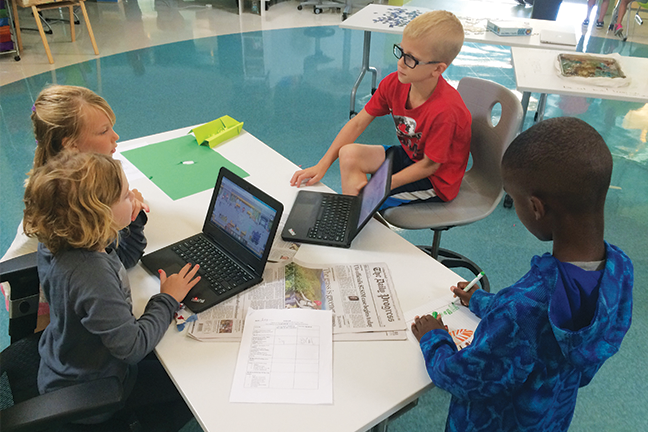
Collaborative Learning Opportunities in a Multiage Classroom Setting
In a traditional classroom, students are often grouped together based on their age and grade level. However, in a multiage classroom setting, children from different age groups learn and work together. This type of environment offers unique collaborative learning opportunities that can greatly benefit all students involved.
One of the key advantages of multiage classrooms is the opportunity for peer mentoring. Older students naturally take on leadership roles and become mentors to younger ones. They can guide their peers through challenging tasks, offer support, and share their knowledge and experiences. This mentorship dynamic not only allows older students to develop leadership skills but also helps younger ones to learn from their more experienced classmates.
Collaborative learning in a multiage classroom also fosters social-emotional development. Students have the chance to interact with peers who may be at different stages of emotional maturity or possess different perspectives. Through these interactions, they learn empathy, respect for diversity, effective communication skills, and how to navigate conflicts constructively.
Teachers play a crucial role in facilitating collaborative learning within a multiage classroom by implementing various strategies. One such strategy is cooperative grouping where students are assigned into diverse teams to work on projects or assignments collectively. This approach encourages teamwork and ensures that each member contributes based on their strengths.
Another effective strategy is peer tutoring where older students help younger ones with specific subjects or skills. This practice reinforces understanding for both parties as teaching requires a deep understanding of concepts while being tutored exposes areas that need improvement.
In addition to these strategies, project-based learning activities provide ample opportunities for collaboration among students across age groups. Through working on real-world projects together, children gain problem-solving abilities as well as critical thinking skills while developing an appreciation for collective efforts.
Furthermore, collaborative learning opportunities extend beyond academic subjects alone; they can include shared responsibilities within the classroom community itself by involving all ages in decision-making processes or organizing special events like assemblies or field trips. This involvement helps students develop a sense of ownership and responsibility towards their learning environment.
In conclusion, collaborative learning in a multiage classroom setting offers numerous benefits to students. It promotes peer mentoring, social-emotional development, and enhances academic skills through various strategies like cooperative grouping, peer tutoring, and project-based learning. By creating an inclusive and supportive community within the classroom, students learn from one another’s strengths and differences while developing essential life skills that will serve them well beyond the walls of the school.
 Alternative Amie
Leave a comment