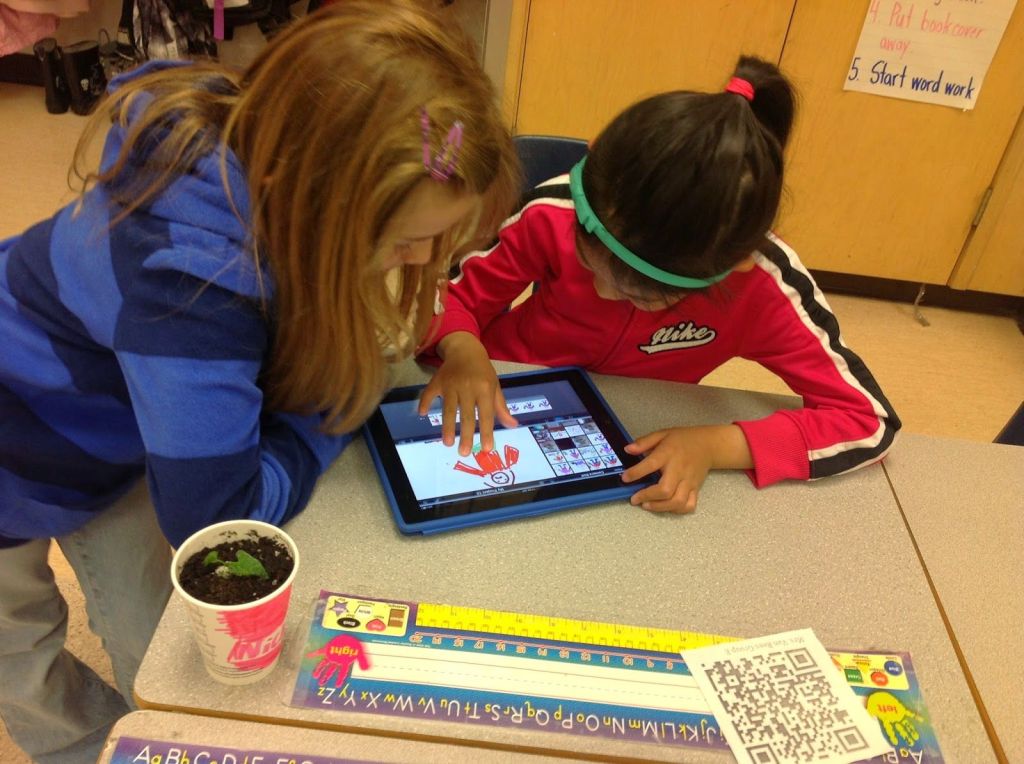
Collaborative projects are an essential part of alternative schooling and education. They promote teamwork, critical thinking, problem-solving skills, and creativity among students. By working together on a common goal or project, students not only learn valuable academic concepts but also develop important social and communication skills that will benefit them in the future.
In this article, we’ll explore some exciting examples of collaborative projects in alternative schooling and education that have proven to be successful in engaging students and enhancing their learning experiences.
1. Community Service Projects:
Community service projects provide an excellent opportunity for students to collaborate while making a positive impact on their local community. These projects often involve identifying community needs, planning strategies, organizing resources, and implementing the plan as a group.
For instance, students can come together to clean up local parks or beaches, organize food drives for shelters or soup kitchens, or even start recycling programs within their schools. Through these activities, students not only learn about civic responsibility but also develop leadership skills by taking ownership of the project’s success.
2. Project-Based Learning:
Project-based learning (PBL) is a teaching method that encourages collaboration among students through hands-on projects related to real-world problems or challenges. This approach allows learners to delve deeper into subjects they are passionate about while developing critical thinking skills.
In PBL scenarios, students work collaboratively in groups to research topics, propose solutions or ideas collectively and present their findings to both peers and teachers. For example, a class could engage in a biodiversity project where they investigate local ecosystems’ health by conducting field research alongside experts from environmental organizations.
3. Entrepreneurship Projects:
Entrepreneurship projects encourage collaboration while fostering creativity and innovation among students. These initiatives involve designing business plans for hypothetical products or services which allow learners to think critically about marketing strategies and financial management aspects like budgeting.
Students can form teams with diverse skill sets such as marketing expertise or graphic design abilities to create comprehensive business proposals that include branding, market research, and pricing strategies. This type of project allows students to apply their knowledge in a practical way while also developing valuable entrepreneurial skills.
4. Cultural Exchange Projects:
Cultural exchange projects promote collaboration among students from different backgrounds and foster understanding and appreciation for diversity. These projects often involve partnering with schools or organizations in other countries or regions to learn about their customs, traditions, and daily lives.
Through virtual exchanges or even physical visits, students can collaborate on joint projects like creating videos showcasing their respective cultures or collaborating on a shared art piece that represents the blending of different artistic styles. These experiences not only broaden students’ perspectives but also enhance communication skills as they work together across language barriers.
5. Technology Integration Projects:
In an increasingly digital world, technology integration projects provide excellent opportunities for collaborative learning. Students can engage in coding challenges, video game design workshops, or even create websites or apps that address specific problems within their community.
For instance, students interested in environmental issues may collaborate to develop an app that informs users about nearby recycling centers or suggests sustainable practices they can adopt at home. These types of projects encourage teamwork while honing technical skills such as coding and design thinking.
6. Creative Arts Collaborations:
Collaborative arts projects allow students to explore various art forms while working together towards a common goal. Whether it’s a theater production, a dance performance, a musical composition, or even a mural painting project – these collaborations require effective communication and coordination between participants.
Students involved in such endeavors learn how to compromise creatively by combining individual talents into one cohesive piece of artwork. They also gain appreciation for diverse perspectives and develop empathy as they navigate through the creative process together.
In conclusion,
Collaborative projects play an integral role in alternative schooling and education by fostering teamwork, critical thinking skills development as well as promoting creativity among learners. Community service initiatives help build civic responsibility; project-based learning enhances problem-solving abilities; entrepreneurship projects nurture innovation and business acumen; cultural exchange projects encourage understanding and acceptance of diversity; technology integration initiatives promote digital literacy, and collaborative arts projects stimulate creativity. By incorporating these types of projects into alternative educational settings, educators can provide students with engaging learning experiences that prepare them for success in the 21st-century world.
 Alternative Amie
Leave a comment