Robotics: A Promising Pathway in Alternative Education
Introduction:
In an ever-evolving world, it is crucial for alternative education to stay ahead of the curve. One field that has gained significant traction in recent years is robotics. Robotics provides a unique and engaging platform for students to acquire essential skills such as problem-solving, critical thinking, collaboration, and creativity. In this article, we will explore how robotics can be integrated into alternative schooling and education settings.
Benefits of Robotics in Alternative Education:
1. Hands-on Learning Experience:
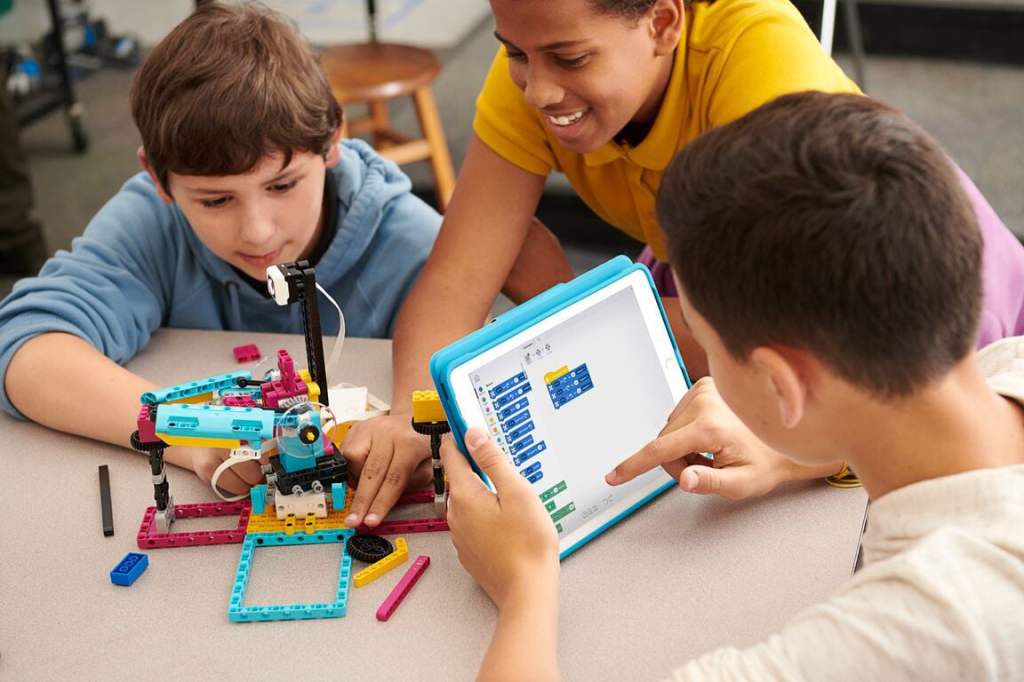
One of the most significant advantages of incorporating robotics into alternative education is its hands-on nature. Students get the opportunity to design, build, program, and operate robots themselves. This approach fosters a deep understanding of key concepts by allowing students to engage directly with technology.
2. Interdisciplinary Approach:
Robotics seamlessly integrates various disciplines such as science, technology, engineering, arts, and mathematics (STEAM). Students can explore real-world problems through an interdisciplinary lens while developing practical skills applicable beyond the classroom setting.
3. Encourages Creativity and Innovation:
Robotics encourages students to think creatively when solving complex challenges or designing robots from scratch. It nurtures their ability to innovate by fostering a mindset that embraces experimentation and iteration.
4. Enhances Problem-Solving Skills:
Robotic projects often involve troubleshooting unforeseen issues during construction or programming stages. By encountering these obstacles firsthand and finding solutions collaboratively within a team environment, students develop strong problem-solving abilities that prepare them for real-life scenarios.
5. Fosters Collaboration:
Teamwork lies at the core of successful robotic projects since they require group effort across different stages – planning, building, coding – where each member brings unique perspectives and skill sets to contribute towards a common goal.
6. Boosts Confidence and Self-Efficacy:
As students see their ideas come to life through functional robots capable of performing specific tasks or completing challenges successfully; they gain confidence in their abilities and develop a sense of self-efficacy. Robotics empowers students by showcasing tangible outcomes of their efforts.
7. Facilitates Career Exploration:
Robotics offers an excellent platform for students to explore potential career paths related to technology, engineering, or programming. Exposure to robotics at an early stage helps students make informed decisions about future educational and career choices.
8. Prepares Students for the Future:
In a world where technological advancements continue to shape society, understanding robotics is becoming increasingly important. By introducing alternative education students to robotics, we equip them with skills that can be applied across various fields, ensuring they are prepared for the demands of the future workforce.
Conclusion:
Robotics is a dynamic field that presents endless possibilities for engaging alternative education students in meaningful learning experiences. From fostering creativity and problem-solving skills to promoting collaboration and preparing them for future careers, integrating robotics into alternative schooling provides numerous benefits. By embracing this innovative pathway, educators can empower their students with practical skills necessary for success in an ever-changing world.
 Alternative Amie
Leave a comment