Forest School Curriculum Development
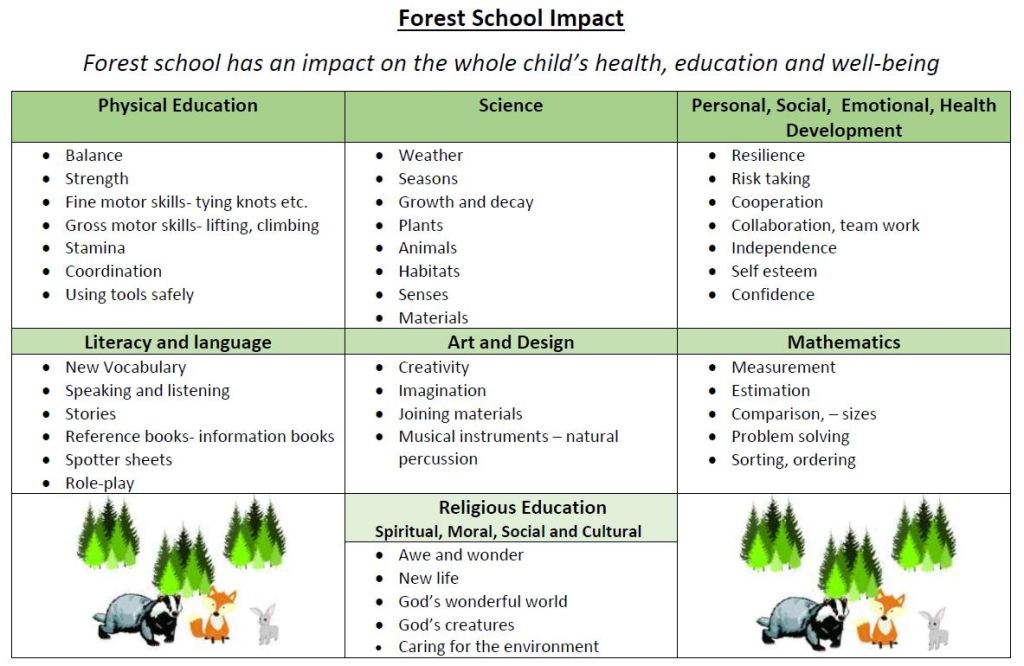
Forest schools have gained popularity in recent years as an alternative approach to education that focuses on outdoor learning and nature-based experiences. The curriculum of a forest school is designed to foster holistic development, allowing children to learn through play, exploration, and hands-on experiences in a natural environment. Here are some key aspects of forest school curriculum development:
1. Nature-based Learning: At the heart of forest school curriculum is the belief that nature provides endless opportunities for learning. Children engage with the natural world through activities such as identifying plants and animals, observing changes in seasons, understanding ecosystems, and developing environmental awareness.
2. Child-led Approach: Forest schools prioritize child-led learning where children take the lead in their own education. They have the freedom to explore their interests, make choices about their activities, and set goals for themselves. This approach promotes independence, self-confidence, problem-solving skills, and creativity.
3. Experiential Learning: Forest schools emphasize hands-on experiences that allow children to actively participate in their own learning process. Whether it’s building shelters, making fires safely under adult supervision, or creating art using materials found in nature – these experiential activities help develop practical skills while fostering cognitive development.
4. Integration of Core Subjects: While forest schools focus on outdoor learning experiences, they also integrate core subjects like math and literacy into their curriculum. For example, measuring heights of trees or counting leaves can be incorporated into math lessons; storytelling or journaling can enhance language skills.
5. Social-emotional Development: Forest school programs place great importance on social-emotional development by encouraging teamwork and cooperation among participants. Through collaborative projects like building structures together or solving problems collectively during outdoor adventures – children learn valuable communication skills while developing empathy and resilience.
6.Environmental Stewardship: One of the primary goals of forest schools is to instill a sense of environmental stewardship among students by nurturing a deep connection with nature. Children learn about sustainability, conservation, and the importance of protecting our environment through real-life experiences in the forest.
7. Flexibility: Forest school curriculum allows for flexibility and adaptability to meet the unique needs and interests of each group of children. Educators continuously observe and assess children’s progress and adjust activities accordingly to ensure optimal learning outcomes.
By providing a rich outdoor learning experience that promotes curiosity, creativity, critical thinking, and problem-solving skills, forest schools offer an alternative educational approach that complements traditional classroom settings. The curriculum development in forest schools aims to foster a love for nature while nurturing well-rounded individuals who are connected to their environment and equipped with essential life skills.
 Alternative Amie
Leave a comment