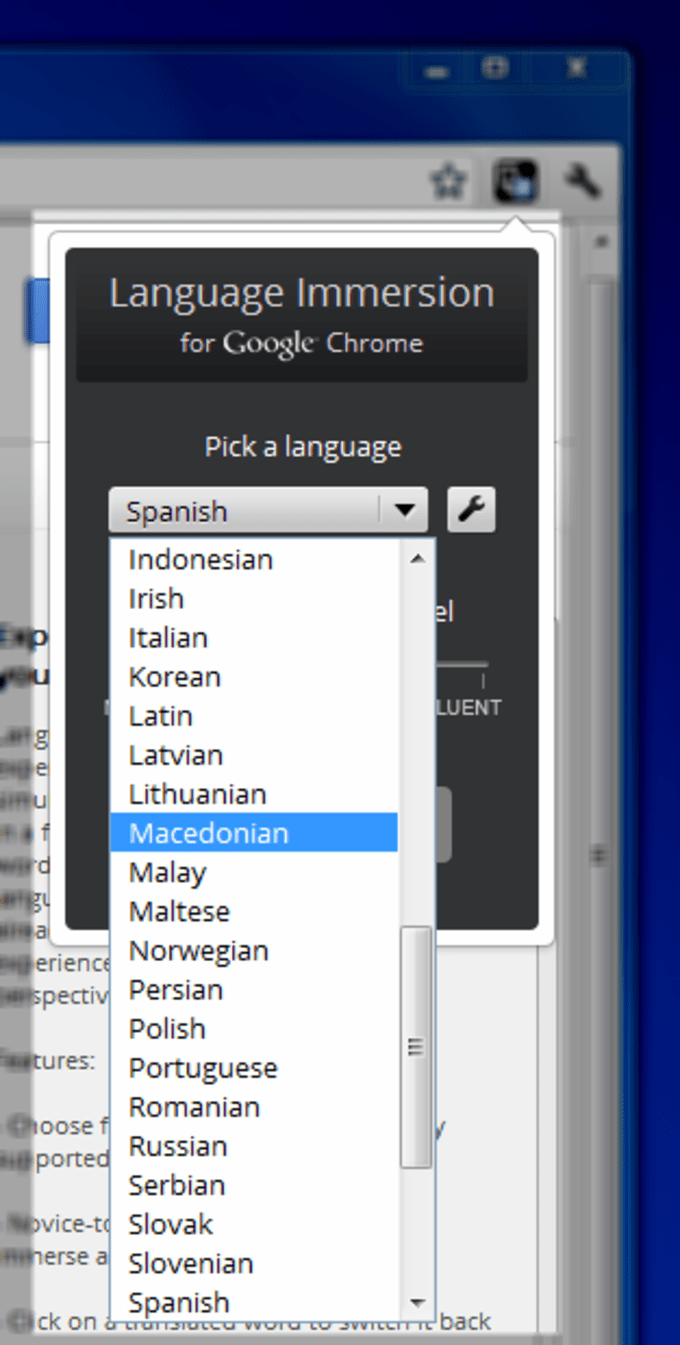
The Role of Technology in Language Immersion Education
Language immersion education has gained popularity in recent years as a highly effective approach to language learning. By creating an immersive environment where students are surrounded by the target language, they develop not only linguistic proficiency but also cultural understanding and global awareness. In this article, we will explore the role of technology in enhancing language immersion education and its impact on learners.
1. Virtual Reality (VR) and Augmented Reality (AR):
Technology such as virtual reality and augmented reality can provide students with immersive experiences without leaving the classroom. Through VR headsets or AR applications, students can explore different countries, visit historical sites, interact with native speakers, and engage in real-life situations that require them to use the target language.
For example, a Spanish immersion program can take students on a virtual tour of Spain’s famous landmarks like La Sagrada Familia or teach them about traditional Mexican celebrations through AR interactive activities. This technology allows for experiential learning that enhances language acquisition and cultural understanding.
2. Online Language Learning Platforms:
With the rise of online platforms dedicated to language learning, educators have access to a wide range of resources that support language immersion programs. These platforms offer interactive lessons, multimedia content, vocabulary exercises, pronunciation guides, and opportunities for communication with native speakers.
For instance, Duolingo offers various languages courses designed for different levels of proficiency through gamified learning techniques that make it engaging for learners. Lingoda provides live online classes led by qualified teachers who create an immersive experience using video conferencing tools.
3. Language Learning Apps:
Mobile apps have revolutionized language learning by making it accessible anytime and anywhere. Apps like Babbel or Rosetta Stone offer comprehensive lessons covering grammar rules, vocabulary building exercises, listening comprehension activities along with speaking practice sessions.
Additionally there are apps specifically designed for language immersion such as Tandem which connects learners with native speakers around the world via text messaging or video calls, allowing for language practice and cultural exchange.
4. Online Language Exchange Platforms:
Language exchange platforms provide an opportunity for students in immersion programs to connect with native speakers of the target language who are learning their native language. This reciprocal arrangement allows for authentic conversations and cultural exchanges that enhance language proficiency.
Websites like HelloTalk or iTalki facilitate these language exchanges by matching learners based on their interests, proficiency level, and desired languages. Through video calls or text messaging, students can engage in meaningful conversations while improving their speaking skills.
5. Interactive Whiteboards and Smartboards:
Interactive whiteboards and smartboards have become common tools in classrooms, enabling teachers to create dynamic lessons that incorporate multimedia resources such as videos, images, audio clips, and interactive quizzes. These visuals help reinforce vocabulary acquisition, grammar concepts, and cultural knowledge.
Teachers can also use these boards to display real-time translations or definitions during discussions or presentations. This immediate access to information enhances comprehension while maintaining an immersive environment where the target language is primarily used.
6. Educational Websites:
Numerous educational websites offer resources specifically designed for language immersion education. These websites provide a variety of materials including worksheets, reading passages with comprehension questions, listening exercises with transcripts or audio files along with interactive games that reinforce vocabulary acquisition.
Websites like FluentU or LingQ offer authentic content such as news articles or videos adapted to different proficiency levels which expose learners to real-life situations using the target language naturally.
7. Online Tutoring Services:
Online tutoring services have made it possible for students in immersion programs to receive personalized instruction from certified teachers who are fluent in the target language. These one-on-one sessions allow for individualized attention tailored to each student’s specific needs and goals.
Platforms like VIPKid or Preply connect students with qualified tutors who provide private lessons through video conferencing tools ensuring flexibility without compromising the immersive nature of the program.
In conclusion, technology plays a crucial role in enhancing language immersion education by providing immersive experiences, online platforms, apps, interactive whiteboards, educational websites, language exchange platforms, and online tutoring services. These tools facilitate language acquisition and cultural understanding while making learning accessible and engaging for students. With the integration of technology in language immersion programs, educators can create dynamic and innovative learning environments that foster multilingualism and global citizenship.
 Alternative Amie
Leave a comment