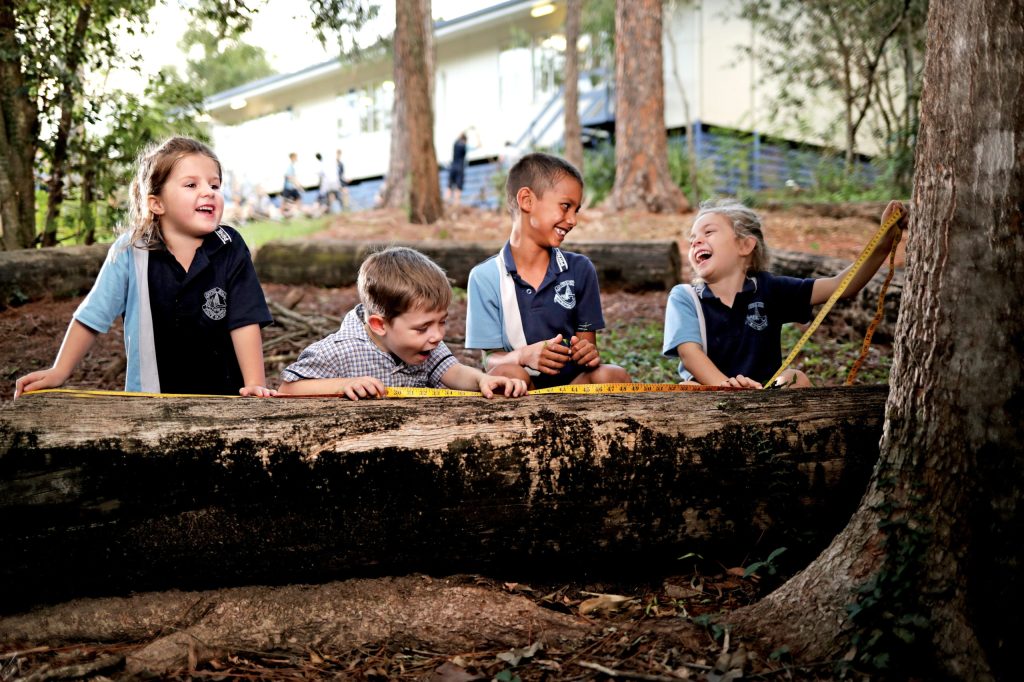
Outdoor classrooms have gained popularity in recent years as an alternative approach to traditional education. These unconventional learning spaces offer a range of benefits for students, teachers, and the environment. From improved academic performance to enhanced physical and mental well-being, outdoor classrooms provide a unique educational experience that fosters creativity, curiosity, and a deep connection with nature.
One of the primary advantages of outdoor classrooms is their ability to engage students in hands-on learning experiences. By taking lessons outside, educators can transform abstract concepts into tangible realities. For instance, studying photosynthesis becomes more meaningful when students observe plants firsthand and witness the process in action. This experiential learning not only makes subjects more interesting but also helps improve comprehension and retention.
Moreover, research has shown that exposure to natural environments positively impacts cognitive functioning. Spending time outdoors stimulates the brain’s attention networks while reducing mental fatigue associated with prolonged indoor activities such as desk work or screen time. The fresh air and green surroundings help rejuvenate focus and concentration levels among both children and adults.
Physical health is another area where outdoor classrooms shine. Traditional classroom settings often limit movement and physical activity due to space constraints or sedentary teaching methods. In contrast, outdoor environments encourage movement through exploration, play, and interactive lessons. Regular physical activity boosts cardiovascular health, strengthens muscles and bones, improves coordination skills – all contributing to overall well-being.
In addition to physical health benefits, spending time in nature has been proven to enhance mental health outcomes for children across various age groups. Outdoor classrooms create opportunities for stress reduction by providing a calm environment away from the pressures of everyday life. Being surrounded by natural beauty promotes relaxation while reducing anxiety levels among students who may struggle academically or socially indoors.
Furthermore, outdoor classrooms offer endless possibilities for creative expression and imaginative play. Natural materials like sticks, leaves, rocks become tools for artistic endeavors or props in make-believe scenarios that foster critical thinking skills alongside social-emotional development through collaboration and problem-solving. Creativity flourishes in outdoor environments, where the boundary between learning and play blurs.
Environmental education is another significant component of outdoor classrooms. By immersing students in nature, these spaces create an awareness and appreciation for the natural world. Children learn about ecosystems, sustainability, conservation practices – all critical aspects of becoming environmentally conscious citizens. This knowledge empowers young minds to make informed decisions that positively impact their surroundings.
Lastly, outdoor classrooms offer a solution to the increasing disconnection between children and nature caused by modern technology. Spending time outdoors instills a sense of wonder and curiosity as students explore their surroundings, discover new plants or animals, observe seasonal changes firsthand – experiences that cannot be replicated through screens alone. These encounters with nature cultivate a lifelong love for the environment while nurturing a desire to protect it.
In conclusion, outdoor classrooms provide numerous benefits that traditional indoor settings often lack. From promoting experiential learning to improving physical and mental well-being among students, these unconventional educational spaces offer a holistic approach to education that fosters creativity, curiosity, and environmental stewardship. As more schools embrace this alternative form of schooling, we can expect to see a generation of students who are not only academically competent but also deeply connected with the natural world around them.
 Alternative Amie
Leave a comment