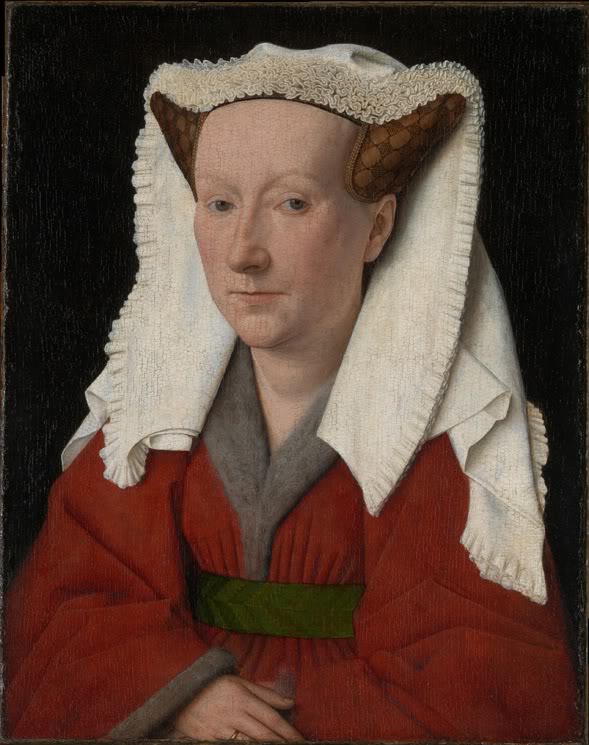
Art history is a fascinating subject that allows us to explore and understand the evolution of human creativity over centuries. It provides insight into different cultures, societal changes, and artistic movements that have shaped our world today. Whether you are interested in pursuing a career in art or simply curious about the origins of various artistic styles, studying art history can be an enriching experience. In this article, we will delve into 15 significant moments in art history that have had a lasting impact on the way we perceive and appreciate art.
1. Prehistoric Art: The earliest form of artistic expression dates back thousands of years to cave paintings found in ancient sites like Lascaux and Altamira. These primitive drawings depict animals, hunting scenes, and everyday life, providing valuable insights into early human existence.
2. Ancient Egyptian Art: Known for its monumental sculptures and intricate hieroglyphics, ancient Egyptian art reflects their religious beliefs and reverence for pharaohs. The Great Sphinx and pyramids at Giza are iconic examples of their architectural prowess.
3. Classical Greek Art: During the Golden Age of Greece, artists focused on perfecting idealized depictions of gods, goddesses, athletes, and philosophers. Sculptures like the Venus de Milo exemplify their pursuit of beauty and harmony.
4. Renaissance Art: The Renaissance witnessed a revival of interest in classical learning and marked a shift towards more naturalistic representations in painting and sculpture. Artists such as Leonardo da Vinci with his “Mona Lisa” embraced techniques like perspective to create lifelike works.
5. Baroque Art: Emerging from the Counter-Reformation movement within Catholicism during the 17th century, Baroque art is characterized by drama, grandeur, rich colors, ornate details, and intense emotions conveyed through exaggerated poses seen in painters like Caravaggio.
6. Impressionism: Impressionist painters sought to capture fleeting moments using loose brushstrokes emphasizing the play of light and color. Artists like Claude Monet and Pierre-Auguste Renoir brought a fresh perspective to art, departing from traditional techniques.
7. Cubism: Developed by Pablo Picasso and Georges Braque in the early 20th century, Cubism challenged conventional representation by deconstructing objects into geometric shapes. This revolutionary movement paved the way for abstract art.
8. Surrealism: Led by artists such as Salvador Dalí and René Magritte, Surrealism aimed to unleash the unconscious mind through dreamlike imagery and irrational juxtapositions. The melting clocks in Dalí’s “The Persistence of Memory” exemplify this movement.
9. Pop Art: Emerging in the 1950s, Pop Art celebrated popular culture, mass media, consumerism, and everyday objects through vibrant colors and bold imagery. Andy Warhol’s iconic Campbell’s Soup Cans epitomize this movement.
10. Abstract Expressionism: Arising after World War II, artists like Jackson Pollock embraced spontaneous gestures to express emotions on large canvases filled with drips or splatters of paint. This movement emphasized individuality and freedom of expression.
11. Minimalism: In contrast to Abstract Expressionism, Minimalist artists reduced their works to simple geometric forms with clean lines devoid of personal expression or narrative meaning. Artists like Donald Judd explored concepts of space and materiality within their work.
12. Performance Art: Blurring boundaries between art and life, performance artists like Marina Abramović use their bodies as a medium for artistic exploration while engaging audiences directly in thought-provoking experiences that challenge societal norms.
13. Street Art: Originating from graffiti culture but gaining recognition as a legitimate form of artistic expression today, street art often carries social or political messages conveyed through murals or stencils found on public walls worldwide.
14.Installation Art: Installation artists create immersive environments using various mediums such as sculptures, videos, sound, or interactive elements. Artists like Yayoi Kusama and Olafur Eliasson transform spaces to engage viewers in unique ways.
15. Digital Art: With the advancement of technology, artists now explore digital mediums to create innovative artworks. From digital paintings to virtual reality experiences, this emerging form pushes the boundaries of traditional art-making practices.
Studying art history not only allows us to appreciate artistic achievements but also provides valuable insights into cultural diversity and historical context. By understanding the past, we can better comprehend the present and shape our future artistic endeavors.
 Alternative Amie
Leave a comment