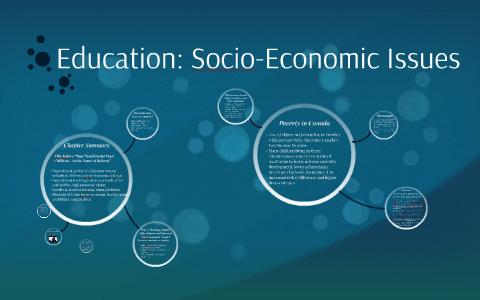
Socioeconomic Factors in Education
Education is a fundamental right of every individual, regardless of their socioeconomic background. However, it is crucial to acknowledge that socioeconomic factors can significantly impact a student’s educational experience and outcomes.
One major factor is access to resources. Students from low-income families often lack the necessary resources for academic success. Limited access to textbooks, technology, and other educational materials can hinder their ability to learn effectively. Moreover, financial constraints may prevent them from participating in extracurricular activities or receiving additional support outside of school.
Another important aspect is the quality of schools. Schools located in economically disadvantaged areas generally have fewer resources and less experienced teachers compared to those in wealthier neighborhoods. This disparity can result in lower-quality education, limited opportunities for enrichment programs, and a lack of exposure to various learning experiences.
Furthermore, students from lower socioeconomic backgrounds face greater stressors outside the classroom. Financial instability, inadequate healthcare access, and housing insecurity are just some examples that can negatively impact their mental health and overall well-being – ultimately affecting their ability to focus on academics.
Addressing these challenges requires systemic changes within our education system. Providing equal access to resources through initiatives like subsidized textbooks or technology loans can level the playing field for all students. Additionally, investing in professional development opportunities for teachers working in underserved communities will ensure that they are equipped with the skills needed to provide high-quality instruction.
Moreover, recognizing the importance of holistic support services such as counseling and mental health resources is essential for addressing non-academic barriers faced by students living in poverty.
In conclusion, socioeconomic factors play a significant role in shaping an individual’s educational journey. By acknowledging these disparities and implementing targeted interventions at both systemic and individual levels, we can work towards creating an education system that truly provides equal opportunities for all students – regardless of their socioeconomic status
 Alternative Amie
Leave a comment