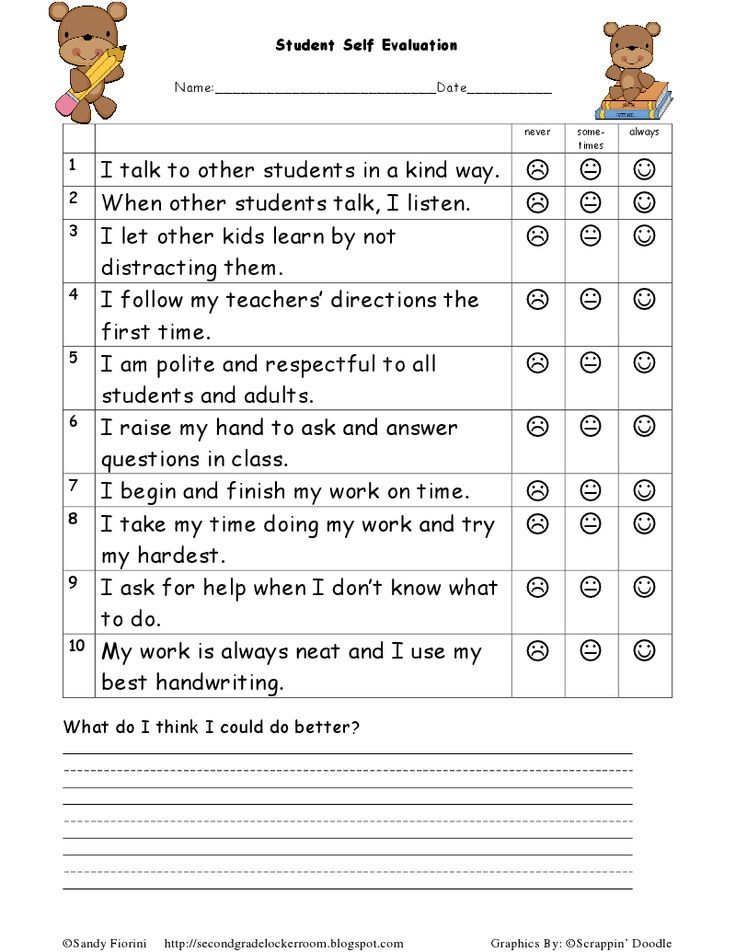
Peer Assessment for Social-Emotional Development: A DIY Guide
Introduction:
In today’s rapidly changing world, traditional methods of education are being challenged, and alternative schooling and education options are gaining popularity. One such approach is peer assessment, which goes beyond academics to foster social-emotional development in students. Peer assessment allows students to evaluate their peers’ work or behavior, providing them with valuable feedback and promoting growth. In this article, we will explore the benefits of peer assessment for social-emotional development and provide a step-by-step guide on how to incorporate it into your educational setting.
Benefits of Peer Assessment:
1. Enhanced Self-Awareness: Through assessing their peers’ work or behavior, students gain insights into their own strengths and weaknesses. This process creates self-awareness and enables students to reflect on their own performance critically.
2. Improved Communication Skills: Engaging in peer assessment requires effective communication skills such as giving constructive feedback and listening actively. By practicing these skills regularly during assessments, students develop strong interpersonal communication abilities that will serve them well throughout life.
3. Encourages Collaboration: Peer assessment fosters collaboration among students by encouraging them to work together towards a common goal – providing feedback that helps improve learning outcomes for everyone involved. Collaborative efforts build teamwork skills while teaching empathy and respect for diverse perspectives.
4. Promotes Responsibility: When assigned the role of an assessor, students become responsible for evaluating their peers fairly and objectively. This responsibility instills accountability within each student as they understand the impact their assessments can have on others’ growth.
5. Develops Critical Thinking Skills: Evaluating someone else’s work requires critical thinking skills as it involves analyzing strengths and weaknesses objectively. By engaging in peer assessment activities regularly, students sharpen their analytical abilities while developing a more nuanced understanding of different perspectives.
Step-by-Step Guide to Incorporate Peer Assessment:
Step 1: Establish Clear Objectives
Before implementing peer assessment, it is essential to define the goals you want to achieve. Determine the specific skills or behaviors you want students to assess and provide guidelines for evaluation.
Step 2: Create Assessment Tools
Develop assessment tools that align with your objectives. These could be rubrics, checklists, or rating scales that outline criteria for evaluation. Ensure that the tools are clear and easy-to-understand for both assessors and those being assessed.
Step 3: Educate Students on Effective Feedback
Teach students how to give constructive feedback by providing examples and modeling effective communication techniques. Encourage them to focus on strengths as well as areas of improvement, ensuring their feedback is specific, actionable, and respectful.
Step 4: Establish a Safe Environment
Create a safe space where students feel comfortable sharing their work or behavior openly without fear of judgment or criticism. Foster an atmosphere of respect and trust among peers so that they can engage in open dialogue throughout the assessment process.
Step 5: Train Students in Assessment Techniques
Provide training sessions to help students understand the assessment tools and techniques they will use during peer assessments. This training should include practice sessions where students can apply what they have learned before engaging in actual assessments.
Step 6: Monitor Assessments
Supervise peer assessments initially to ensure fairness, accuracy, and adherence to established guidelines. Offer guidance when needed but allow students room for independent decision-making during evaluations.
Step 7: Encourage Reflection
After each round of peer assessments, prompt students to reflect on their own performance as assessors. Ask questions like “How did your feedback impact your peer’s growth?” or “What did you learn about yourself through this process?” Reflection encourages metacognition – thinking about one’s thinking – which enhances self-awareness and personal growth.
Step 8: Provide Opportunities for Revision & Growth
Allow students opportunities to revise their work based on feedback received from peers. Emphasize that revision is a natural part of the learning process and that constructive criticism is meant to support growth, not discourage effort.
Conclusion:
Peer assessment is an effective tool for promoting social-emotional development in students. By incorporating this DIY approach into your educational setting, you can create an environment where students actively engage with each other’s work or behavior, fostering self-awareness, communication skills, collaboration, responsibility, and critical thinking abilities. Remember to establish clear objectives, provide training on feedback techniques, and create a safe space for open dialogue. With peer assessment as part of your alternative schooling and education approach toolkit, you can empower students to become active participants in their own growth journey.
 Alternative Amie
Leave a comment