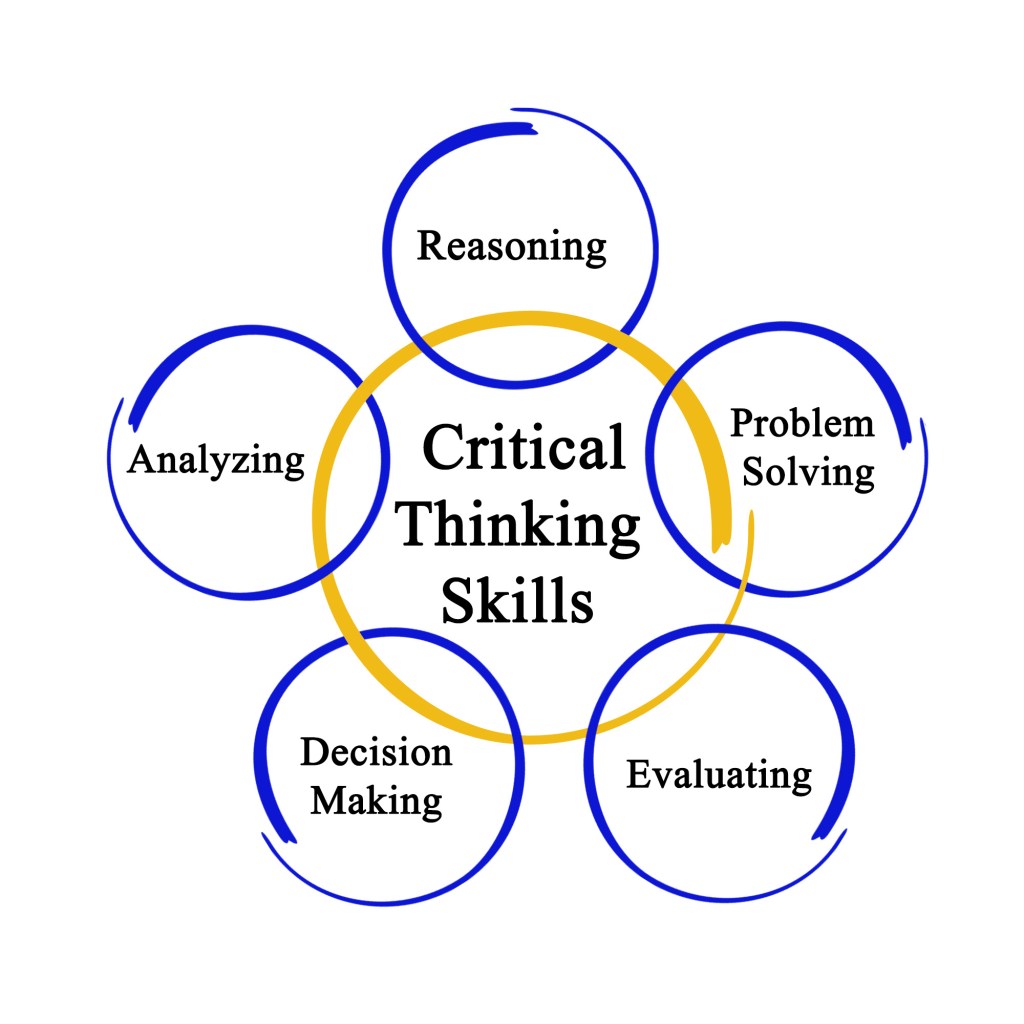
Critical thinking is a fundamental skill that plays a crucial role in education, problem-solving, decision-making, and overall personal growth. It is the ability to carefully analyze and evaluate information, arguments, and situations in a rational and logical manner. In today’s rapidly changing world, where information overload is prevalent, critical thinking has become even more important.
In traditional schooling systems, students are often taught to memorize facts and regurgitate them without understanding their underlying concepts or implications. However, alternative schooling approaches emphasize the development of critical thinking skills among students from an early age. These approaches recognize that fostering critical thinking abilities not only enhances academic performance but also equips individuals with the tools they need to navigate real-life challenges effectively.
One key aspect of critical thinking is questioning assumptions. Instead of accepting ideas at face value, critical thinkers question the validity and reliability of information presented to them. This process involves examining evidence, considering multiple perspectives or viewpoints, and evaluating the credibility of sources. By encouraging students to ask probing questions about what they learn or encounter in various subjects like history or science classes, educators can help develop their critical thinking abilities.
Another important aspect of critical thinking is analyzing arguments and recognizing fallacies. Critical thinkers have the ability to identify logical inconsistencies or weaknesses within an argument by examining its premises and conclusions. They are able to distinguish between valid reasoning based on evidence from flawed reasoning driven by biases or faulty logic.
In alternative education settings that prioritize critical thinking skills development, teachers often employ techniques such as Socratic questioning. This method encourages students to engage in thoughtful dialogue by asking open-ended questions that challenge assumptions while promoting deeper understanding through exploration of different perspectives.
Problem-solving is one area where critical thinking shines brightly. When faced with complex problems or challenges – whether it be a math equation or a social issue – individuals who possess strong critical-thinking skills are better equipped to break down the problem into manageable parts systematically analyze each component before formulating potential solutions. By considering various factors and potential consequences, critical thinkers are more likely to arrive at effective and well-reasoned solutions.
Critical thinking also plays a vital role in decision-making. In today’s world, where choices abound, being able to evaluate the pros and cons of different options is crucial. Critical thinkers carefully weigh the available evidence, consider alternative possibilities, identify potential biases or hidden agendas, and make informed decisions based on rational analysis rather than impulsive or emotional reactions.
Moreover, critical thinking helps individuals become more discerning consumers of information. With the rise of fake news and misinformation in the digital age, being able to evaluate sources critically has never been more important. Critical thinkers learn to examine the credibility of sources by evaluating their expertise, objectivity, and reliability. They also look for corroborating evidence before accepting any claims as truth.
In addition to its practical applications in problem-solving and decision-making contexts, critical thinking contributes significantly to personal growth and self-reflection. By questioning our own beliefs and assumptions through introspection, we can overcome biases that may hinder our ability to think objectively or empathize with others’ perspectives. This self-awareness fosters intellectual humility – an essential trait for lifelong learning – as it allows us to recognize gaps in our knowledge or understanding without feeling threatened.
Alternative schooling approaches often incorporate activities that promote critical thinking skills development beyond traditional classroom settings. For example, project-based learning encourages students to engage in hands-on projects that require them to apply critical-thinking skills while working collaboratively with peers towards a common goal. This approach not only enhances subject mastery but also cultivates essential life skills such as problem-solving abilities and effective communication.
Furthermore, promoting creativity alongside critical thinking is crucial for nurturing well-rounded individuals who can adapt flexibly in an ever-changing world. Creative thinking encourages individuals to explore unconventional ideas or perspectives while challenging established norms or practices – a process that aligns closely with critical thinking principles.
Overall, critical thinking is an indispensable skill that empowers individuals to navigate the complexities of the world. Alternative education approaches recognize its value and prioritize its development alongside traditional subjects. By fostering critical thinking skills in students from an early age, these approaches prepare individuals for success not only academically but also in all aspects of life. From problem-solving and decision-making to evaluating information critically and promoting personal growth, critical thinking serves as a foundation for lifelong learning and continuous intellectual growth – qualities that are invaluable in today’s ever-evolving society.
 Alternative Amie
Leave a comment