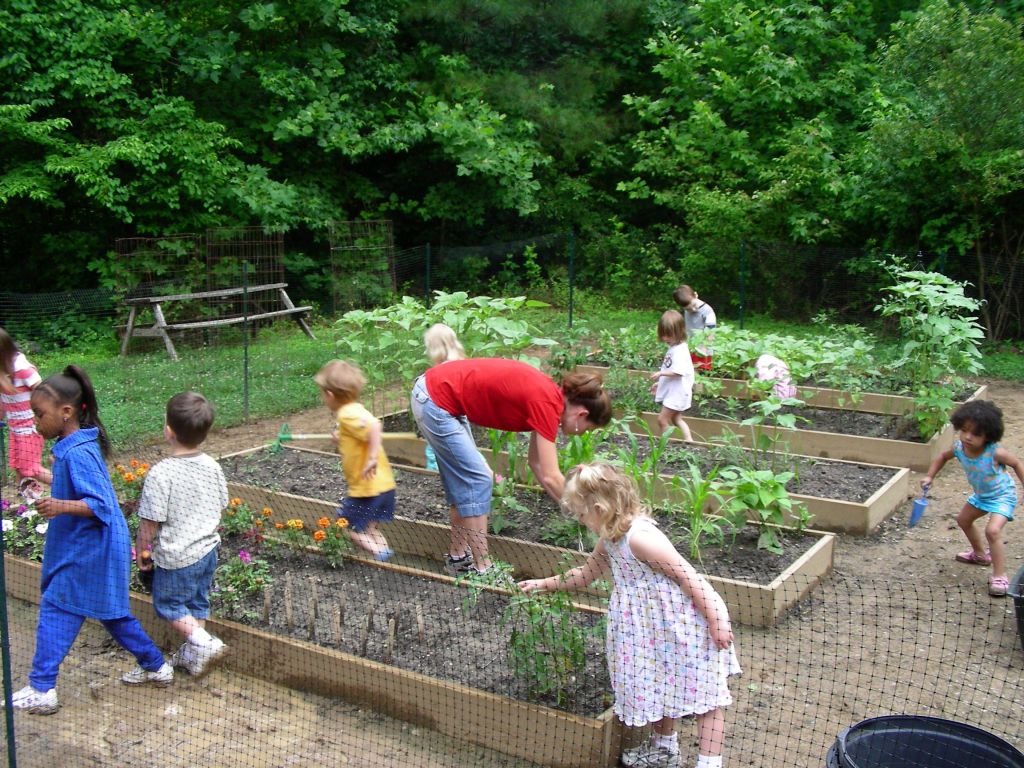
When it comes to alternative schooling and education, one often thinks of innovative teaching methods or unique curriculum options. However, there is another aspect that can greatly benefit students’ overall development: gardening and farming. Incorporating these activities into the educational experience not only provides practical skills but also fosters a deeper connection with nature and the environment.
Gardening and farming offer numerous benefits for students, both academically and personally. From a practical standpoint, learning about gardening equips students with valuable knowledge in biology, botany, ecology, and nutrition. They gain an understanding of how plants grow, the importance of soil composition, and the impact of weather conditions on crops. This hands-on experience allows them to apply theoretical concepts learned in classrooms to real-life situations.
Moreover, gardening promotes critical thinking skills as students learn to solve problems such as pest control or managing limited resources like water. They develop patience as they nurture their plants from seeds to full maturity—a process that requires dedication and perseverance. Gardening also encourages creativity when designing layouts for different types of gardens or experimenting with various plant combinations.
Beyond academic benefits, gardening has significant personal advantages as well. Spending time outdoors amongst plants reduces stress levels and improves mental well-being. The act of nurturing living organisms instills a sense of responsibility within students as they take charge of their garden’s maintenance. This responsibility teaches them accountability while boosting their self-esteem when they witness the fruits (or vegetables) of their labor.
Furthermore, gardening fosters environmental awareness by allowing students to witness firsthand the interconnectedness between humans and nature—how our actions affect ecosystems on a small scale. They become more conscious about sustainable practices such as composting or using organic fertilizers instead of harmful chemicals.
Integrating gardening into alternative schooling settings can be done in several ways depending on available resources:
1. School Gardens: Establishing gardens within school premises provides easy access for regular monitoring by both teachers and students.
2. Community Gardens: Collaborating with local communities or organizations that have established gardens can provide students with a broader perspective and opportunities for community engagement.
3. Farm Visits: Organizing field trips to nearby farms exposes students to larger-scale agricultural practices, enabling them to compare and contrast different farming methods.
To make gardening an effective educational tool, it is crucial to incorporate structured lesson plans into the curriculum. This ensures that gardening aligns with academic goals while still allowing flexibility for personal exploration. Teachers can incorporate related subjects such as math (measuring plant growth), language arts (writing descriptive essays about their gardening experiences), or even art classes where students create visual representations of plants.
In conclusion, alternative schooling and education should not only focus on traditional classroom activities but also offer hands-on experiences like gardening and farming. Such activities provide practical knowledge, nurture critical thinking skills, promote personal development, and foster environmental awareness among students. By incorporating these elements into the curriculum, educators can enhance the overall learning experience while creating well-rounded individuals who are connected to nature and equipped with essential life skills.
 Alternative Amie
Leave a comment