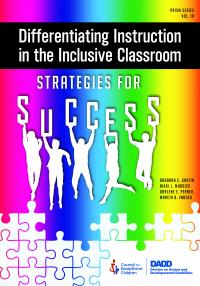
Inclusive Education: Empowering Students with Individualized Education Plans (IEPs)
Education is a fundamental right for every child, regardless of their abilities or disabilities. Inclusive education aims to provide equal opportunities for all students, including those with Individualized Education Plans (IEPs). An IEP is a personalized plan that outlines the educational goals and accommodations needed to support a student’s learning needs. In this article, we will explore various aspects of inclusive education and how it positively impacts students with IEPs.
1. Inclusive Education:
Inclusive education emphasizes the importance of educating students with diverse abilities together in mainstream classrooms rather than segregating them into special education settings. This approach fosters an inclusive environment where all students can learn from one another while receiving appropriate supports and accommodations.
2. Differentiated Instruction:
Differentiated instruction is a key component of inclusive education. It involves tailoring teaching strategies and materials to meet individual student needs within the same classroom setting. By differentiating instruction, teachers can address various learning styles, preferences, and readiness levels to ensure that all students are actively engaged in the learning process.
3. Assistive Technology in IEPs:
Assistive technology plays a crucial role in supporting students with IEPs by removing barriers to learning and promoting independence. Whether it’s using text-to-speech software for reading difficulties or speech recognition software for writing challenges, assistive technology tools enable students to access curriculum content and demonstrate their knowledge effectively.
4. Transition Planning for IEP Students:
Transition planning focuses on preparing students with disabilities for life beyond school by identifying post-secondary goals related to employment, further education, independent living skills, and community engagement. Collaborative transition planning involving educators, families, community agencies ensures smooth transitions from high school to adulthood.
5. Self-Advocacy Skills Development:
Empowering students through self-advocacy skills helps them become active participants in their own educational journey. Teaching students how to identify their strengths, weaknesses, and learning needs equips them with the ability to express their preferences, request accommodations, and navigate challenges effectively.
6. Individualized Goal Setting in IEPs:
IEPs are designed to address each student’s unique learning needs, making individualized goal setting a critical component. By setting specific, measurable, attainable, relevant, and time-bound (SMART) goals within the IEP framework, educators can track a student’s progress and tailor instruction accordingly.
7. Collaborative Team Approach to IEP Development:
Developing an effective IEP requires collaboration among various stakeholders including general education teachers, special education teachers, related service providers (e.g., speech therapists), administrators, parents or guardians. A team approach ensures that all perspectives are considered when designing appropriate supports for the student.
8. Accommodations and Modifications for Diverse Learners:
Accommodations provide support while maintaining academic standards whereas modifications involve adapting curriculum content or requirements based on a student’s abilities. Both accommodations and modifications aim to create equitable opportunities for diverse learners within inclusive classrooms.
9. Social-Emotional Support in IEPs:
Recognizing the importance of social-emotional development alongside academic growth is crucial for students with IEPs. Including strategies such as social skills training programs or counseling services within the IEP helps nurture positive relationships with peers and promotes emotional well-being.
10. Personalized Learning Plans within IEPs:
Personalized Learning Plans (PLPs) focus on tailoring instruction to meet individual learner needs by providing flexible pathways towards achieving educational goals. Integrating PLPs into IEPs allows students greater autonomy over their learning experiences while ensuring necessary supports are in place.
11. Multisensory Teaching Strategies for IEP Students:
Multisensory teaching strategies engage multiple senses simultaneously during instruction which enhances retention and comprehension for students with diverse learning styles or disabilities such as dyslexia or ADHD. By incorporating visual, auditory, kinesthetic, and tactile modalities, teachers can create a more inclusive learning environment.
12. Parent Involvement in the IEP Process:
Parents or guardians play a crucial role in the development and implementation of their child’s IEP. Their input helps identify goals, monitor progress, and ensure that supports are consistent at home and school. Collaborative relationships between educators and parents foster a strong support system for students with IEPs.
13. Culturally Responsive Practices in IEPs:
Culturally responsive practices recognize and value students’ diverse backgrounds by integrating cultural knowledge into instruction, assessment, and intervention strategies within the IEP framework. This approach creates an inclusive learning environment where all students feel understood and respected.
14. Universal Design for Learning (UDL) Principles in IEP Development:
UDL principles emphasize providing multiple means of engagement, representation, and action/expression to optimize learning opportunities for all students including those with disabilities. Integrating UDL principles into the design of IEPs ensures equitable access to quality education for every student.
15. Executive Functioning Skills and IEPs:
Executive functioning skills involve higher-level cognitive processes such as organization, time management, planning, prioritization that are essential for academic success. Including executive functioning skill development strategies within the IEP supports students who struggle with these skills to become more independent learners.
16. Behavior Intervention Plans (BIP) within IEPs:
For some students with challenging behaviors that impede their learning or disrupt classroom environments, behavior intervention plans (BIP) can be included in their IEPs to address specific behavioral needs through targeted interventions while promoting positive alternatives to problematic behaviors.
17.Trauma-Informed Approaches to Supporting Students with IEPs:
Recognizing the impact of trauma on a student’s ability to learn is essential when developing an effective educational plan through an individualized lens within an inclusive setting. Incorporating trauma-informed practices into IEPs ensures that students’ emotional well-being is prioritized alongside their academic growth.
18. Strength-Based Approaches to Individualized Education:
Acknowledging and building upon students’ strengths is a key aspect of inclusive education. By focusing on individual strengths, educators can tailor instruction and interventions accordingly, fostering confidence, motivation, and a sense of belonging among students with IEPs.
19. Collaboration Between General Education and Special Education Teachers:
Collaboration between general education teachers and special education teachers is vital for successful inclusion. Regular communication, shared planning time, and co-teaching models enable educators to work together in meeting the diverse needs of all learners within the inclusive classroom environment.
20. Progress Monitoring and Data-Driven Decision-Making in IEP Implementation:
Progress monitoring involves regularly collecting data on student performance to assess progress towards goals stated in the IEP. This data-driven approach informs instructional decisions, allowing educators to modify strategies or supports as needed for individual students.
In conclusion, inclusive education provides an equitable learning experience for all students by embracing diversity and addressing individual needs through personalized plans such as IEPs. By implementing differentiated instruction strategies, leveraging assistive technology tools, involving parents/guardians actively in the process, nurturing social-emotional development alongside academics, and adopting collaborative approaches among stakeholders involved in the IEP process—the potential for success among individuals with diverse abilities becomes limitless within an inclusive educational setting.
 Alternative Amie
Leave a comment