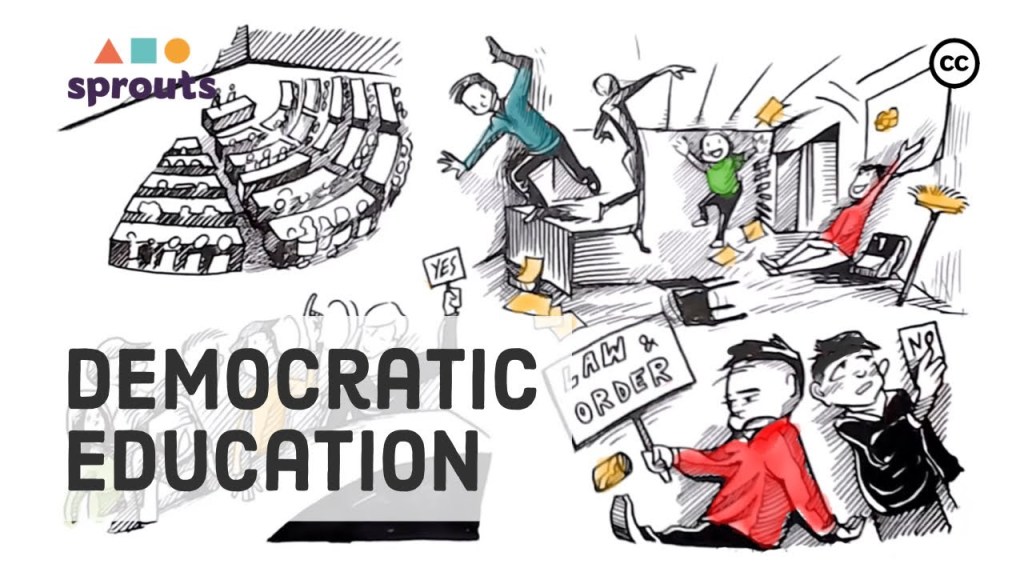
Democratic Schools: Empowering Students through Self-Governance
Education plays a crucial role in shaping the future of individuals and society as a whole. While traditional school systems have been dominant for many years, alternative approaches to education are gaining popularity. One such approach is democratic schools, which empower students by involving them in the decision-making processes of their own education. In this article, we will explore what democratic schools are, how they operate, and the benefits they offer to students.
What Are Democratic Schools?
Democratic schools are educational institutions that prioritize student autonomy and self-governance. These schools aim to provide an environment where students can actively participate in shaping their educational experience. Unlike traditional schools where decisions are typically made by administrators and teachers, democratic schools involve students in all aspects of governance.
In a democratic school setting, decisions regarding curriculum, rules, policies, and even hiring staff members are made collectively through regular meetings involving all members of the school community – both students and staff. This collaborative decision-making process encourages active participation from everyone involved.
How Do Democratic Schools Operate?
The foundation of democratic schooling lies in providing equal opportunities for all individuals within the learning community to express their opinions and contribute to decision-making processes. The following key elements characterize the operation of democratic schools:
1. Self-Governance: Students have an active role in governing themselves by participating in regular meetings where decisions about various aspects of school life are made collectively.
2. Freedom & Responsibility: Students have freedom over their actions while simultaneously being responsible for making informed choices that consider both individual needs and the well-being of the entire community.
3. Non-Coercive Learning Environment: Democratic schools encourage intrinsic motivation rather than relying on external rewards or punishments as motivators for academic engagement.
4. Active Participation: All members of the learning community – including students, teachers, parents/guardians – have equal rights to express their opinions during meetings or other forums designed for discussions and decision-making.
5. Individualization: Democratic schools recognize that each student has unique interests, abilities, and learning styles. They strive to create an environment where individual needs are met through personalized learning plans.
Benefits of Democratic Schools
Democratic schools offer numerous benefits for students, fostering their personal growth and preparing them for active citizenship in democratic societies. Some key advantages include:
1. Empowerment: Students develop a sense of agency as they actively participate in the decision-making process, leading to increased confidence and self-esteem.
2. Ownership & Engagement: Involving students in decisions about their education enhances their engagement with learning activities since they have a say in what is being taught and how it is being taught.
3. Critical Thinking & Problem-Solving Skills: The democratic decision-making process encourages students to think critically, analyze different perspectives, negotiate conflicts, and find solutions collaboratively – skills that are essential for success in the real world.
4. Responsibility & Accountability: By having a voice in creating rules and policies, students learn about responsibility towards themselves and others within the community. They also understand the consequences of their actions on the collective well-being of the school community.
5. Respect for Diversity: Democratic schools foster an inclusive environment where diverse opinions are valued and respected. This promotes empathy, understanding, and appreciation for different perspectives among students.
Challenges Associated with Democratic Schools
While democratic schools offer various advantages, they also face some challenges:
1. Time Management: The inclusion of all stakeholders in decision-making processes can be time-consuming if not managed effectively.
2. Conflict Resolution: With more autonomy comes the potential for disagreements or conflicts between individuals within the school community; therefore, effective conflict resolution strategies need to be implemented.
3.Professional Development: Teachers working at democratic schools may require additional training to adapt to this alternative approach of involving students in governance while ensuring academic standards are maintained.
Conclusion
Democratic schools provide an innovative approach to education that empowers students by involving them in decision-making processes. By fostering self-governance, freedom, and responsibility, these schools nurture critical thinking skills and create an environment where diversity is respected. While implementing democratic principles may present challenges, the benefits for students in terms of empowerment and active citizenship are well worth the effort. As alternative schooling options continue to evolve, democratic schools offer a promising model for transforming education into a more inclusive and student-centered experience.
 Alternative Amie
Leave a comment