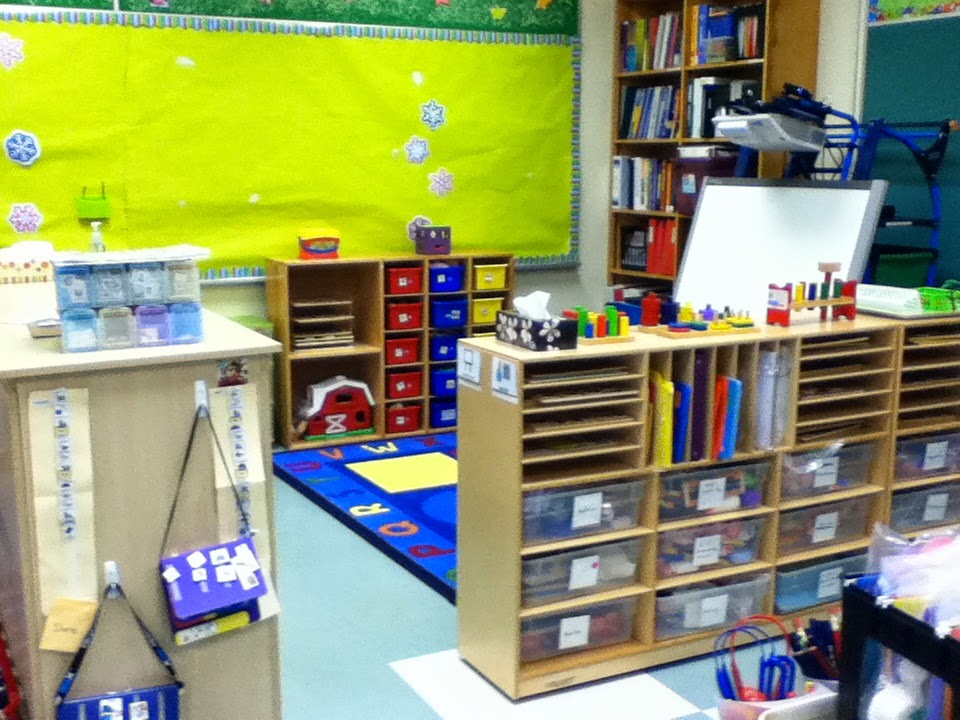
Creating a Structured Learning Environment at Home
In recent times, many families have chosen alternative educational paths for their children. Whether it’s homeschooling, unschooling, or online learning, providing a structured environment is crucial to ensure effective education at home. A well-organized and focused learning environment can enhance productivity, foster independence, and promote a love for lifelong learning.
In this article, we will explore various strategies and tips to help you create a structured learning environment in the comfort of your own home.
1. Designate a Dedicated Learning Space
To establish a sense of routine and structure, designate a specific area in your home as the dedicated learning space. This could be an entire room or simply a corner with essential supplies like desks, chairs, storage units for books and materials, and good lighting. Having this designated space will minimize distractions and help set boundaries between leisure activities and study time.
2. Establish Clear Routines
Consistency is key when it comes to structuring your child’s learning experience at home. Create daily routines that mirror those found in traditional school settings—set regular wake-up times, meal breaks, scheduled study periods interspersed with physical exercise or creative activities to break up the day effectively.
3. Set Realistic Goals
Setting realistic goals is essential to keep both parents/guardians and students motivated throughout the journey of alternative education. Collaboratively establish short-term goals for each week or month while keeping long-term objectives in mind. Break down larger projects into smaller tasks to make them more manageable.
4. Develop Individualized Timetables
Customize timetables according to each child’s unique interests, abilities, strengths, weaknesses, and desired pace of progress within established guidelines set by state educational standards (if applicable). Creating individualized schedules helps children take ownership of their own learning process while ensuring they cover all necessary subjects within an organized framework.
5. Utilize Visual Aids
Visual aids are powerful tools for creating structure and promoting understanding. Use calendars, whiteboards, or digital apps to visually represent timetables, deadlines, goals, and progress. Encourage children to actively participate in updating these visual aids themselves as a way to take responsibility for their own learning.
6. Provide Necessary Learning Resources
Ensure that your home is equipped with essential learning resources such as textbooks, workbooks, art supplies, science kits or lab equipment (if applicable), reference books, educational websites/apps subscriptions etc. These resources will support your child’s learning experience and provide opportunities for hands-on exploration.
7. Establish Rules and Expectations
Clearly communicate rules and expectations regarding behavior during study time at home. Encourage accountability by involving children in the development of these guidelines—this empowers them to take responsibility for their actions while fostering a sense of ownership over their education.
8. Minimize Distractions
Creating a structured environment means minimizing distractions as much as possible during study periods. Turn off television sets or any other electronic devices not being used for educational purposes unless required for specific lessons or research. Designate specific times for breaks when children can engage in recreational activities like reading books unrelated to schoolwork or playing an instrument.
9. Encourage Collaboration and Peer Interaction
Although alternative schooling often occurs within the family unit, it is vital to foster collaboration with peers outside of the immediate household setting whenever possible. Participating in local homeschooling groups/co-ops or online communities allows students to interact with others who share similar educational choices and interests.
10. Regularly Assess Progress
Maintain regular assessments throughout the learning process by using quizzes/tests, projects/assignments submissions along with both self-assessment and parental evaluation techniques if needed/applicable. This helps track progress, identify areas that need improvement/reinforcement promptly while providing feedback on achievements.
11 Stay Flexible
Flexibility is crucial when structuring a learning environment at home since life often throws unexpected circumstances our way. Be open to adjusting schedules, goals, and methods when necessary while ensuring that the overall structure remains intact.
In conclusion, creating a structured learning environment at home is essential for alternative education to be successful. By designating a dedicated learning space, establishing clear routines and goals, utilizing visual aids, providing necessary resources, setting rules and expectations, minimizing distractions, encouraging collaboration with peers, regularly assessing progress, and staying flexible; you can create an environment where your child can thrive academically while enjoying the benefits of alternative schooling. Remember that each family’s journey is unique—adapt these strategies to suit your individual needs as you embark on this exciting educational adventure together!
 Alternative Amie
Leave a comment