Intertextuality in Narratives: Exploring the Power of Connection and Creativity
Introduction:
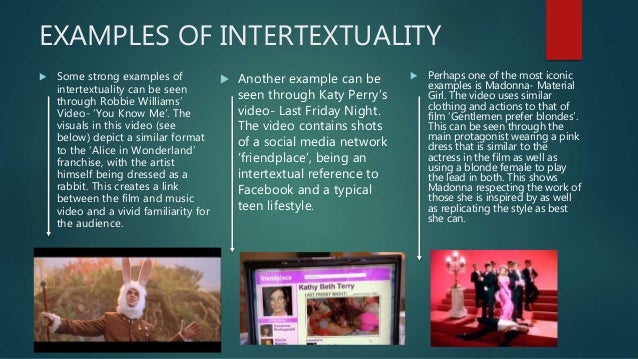
In the realm of storytelling, narratives often draw inspiration from other texts, creating a web of interconnectedness known as intertextuality. This concept refers to the way in which one text references or incorporates elements from another, either explicitly or subtly. Intertextuality not only allows writers to pay homage to their influences but also enriches the reading experience by encouraging readers to engage with multiple texts simultaneously. In this article, we will delve into the world of intertextuality in narratives and explore its significance in fostering creative thinking and alternative approaches to education.
Understanding Intertextuality:
Intertextuality can take numerous forms within a narrative. It may manifest through direct references to other works, such as quotes or allusions, or through more implicit connections that require a deeper understanding of literary traditions and cultural references. By employing intertextuality, authors tap into a shared knowledge base that exists among readers familiar with certain texts.
Benefits for Alternative Education:
Alternative schools often strive to instill critical thinking skills and foster creativity among students. The incorporation of intertextual elements within educational materials can be an effective tool for achieving these goals.
1. Encouraging Critical Thinking:
Intertextual narratives prompt students to think critically about the connections between different texts and analyze how those connections contribute to their understanding of each work individually. Through this process, students develop important analytical skills while exploring various interpretations and perspectives.
2. Broadening Cultural Awareness:
By engaging with intertextual narratives that draw inspiration from diverse sources, students are exposed to different cultures, historical periods, genres, and writing styles. This exposure promotes cultural awareness and empathy by allowing learners to see beyond their immediate context.
3. Nurturing Creativity:
Intertextual narratives challenge students’ imagination by presenting them with complex puzzles they must unravel using prior knowledge about other texts they have encountered before. These narratives provide a platform for students to experiment with different creative approaches and develop their own unique style.
Examples of Intertextuality in Narratives:
1. Shakespearean Allusions:
One common form of intertextuality is the inclusion of allusions to the works of William Shakespeare. Numerous authors have paid homage to his plays, incorporating famous quotes or even entire plotlines into their stories. For instance, Margaret Atwood’s “Hag-Seed” reimagines Shakespeare’s “The Tempest” within a modern setting, allowing readers familiar with both texts to appreciate the intricate connections between them.
2. Fairy Tale Retellings:
Fairy tales serve as rich sources of intertextual material due to their widespread familiarity and enduring popularity. Authors like Angela Carter and Neil Gaiman have reimagined classic fairy tales in unique ways, injecting new perspectives and social commentaries into well-known narratives. These retellings challenge readers’ preconceived notions while inviting them to revisit beloved childhood stories from a fresh angle.
3. Metafictional Elements:
Intertextuality can also be expressed through metafictional elements that blur the boundaries between fiction and reality. Novels like Italo Calvino’s “If on a Winter’s Night a Traveler” or Jasper Fforde’s “Thursday Next” series incorporate references not only to other literary works but also engage directly with the act of reading itself, creating an immersive experience for readers who enjoy unraveling layers of interconnectedness.
Conclusion:
Intertextuality in narratives opens up vast possibilities for alternative education by encouraging critical thinking, broadening cultural awareness, and nurturing creativity among students. By providing access points to diverse texts, intertextual narratives allow learners to engage actively with literature while developing their own analytical skills and creative voices.
As educators seek innovative approaches that foster intellectual growth, embracing intertextuality can prove invaluable in cultivating well-rounded individuals capable of navigating complex networks of knowledge and understanding. By harnessing the power of intertextuality, alternative schools can inspire students to become active participants in the world of literature and beyond.
 Alternative Amie
Leave a comment