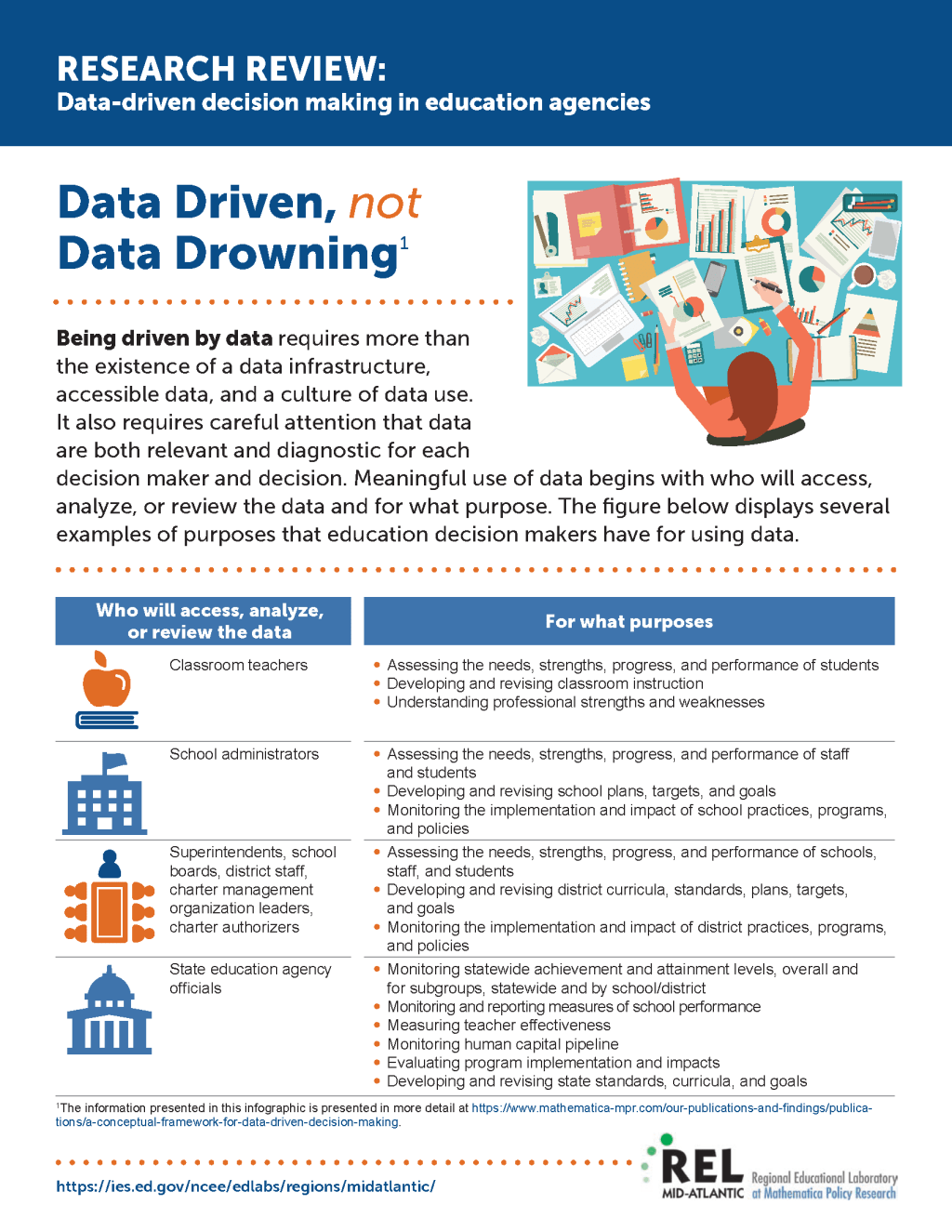
Data-driven decision making is becoming increasingly prevalent in education, especially in blended classrooms. Blended learning combines traditional face-to-face instruction with online learning, offering a personalized and flexible approach to education. By utilizing data, educators can make informed decisions that enhance student outcomes and improve the overall teaching and learning experience.
One of the key benefits of data-driven decision making in blended classrooms is its ability to track student progress and performance. With access to real-time data on individual students’ strengths, weaknesses, and areas for improvement, teachers can tailor their instructional strategies to meet each student’s unique needs. This personalized approach ensures that no student falls behind or remains unchallenged.
Moreover, data analysis enables teachers to identify trends and patterns across the entire class or school. By identifying common misconceptions or gaps in understanding through analytics tools, educators can adjust their lesson plans accordingly. This targeted intervention helps address any knowledge deficits before they become more significant obstacles.
Furthermore, using data-driven decision making allows for ongoing assessment and feedback loops between teachers and students. Continuous evaluation of student progress provides timely opportunities for reflection and adjustment as needed. Students are empowered by this process as they actively engage in setting goals based on their own performance data.
Additionally, when it comes to resource allocation within a blended classroom setting, data plays a crucial role. Through analyzing usage patterns of online resources or educational technology tools, schools can optimize investments by providing access to materials that prove most effective for student achievement.
In conclusion, data-driven decision making is revolutionizing teaching practices in blended classrooms by enabling educators to individualize instruction based on accurate information about each student’s progress and needs. The use of analytics not only benefits students but also empowers teachers with insights that lead to more effective instructional practices overall.
 Alternative Amie
Leave a comment