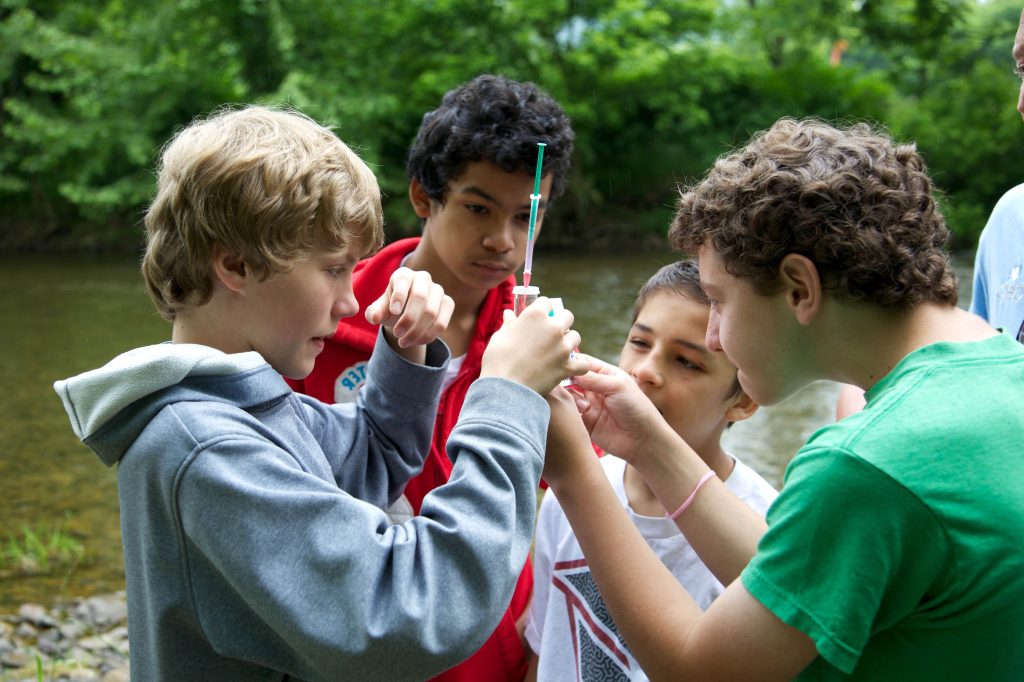
Outdoor Education: Nurturing Growth and Learning Beyond the Classroom
In today’s fast-paced and technologically driven world, it is crucial to provide children with opportunities to connect with nature and engage in hands-on learning experiences. Outdoor education offers a unique approach to schooling that fosters personal growth, academic development, and environmental stewardship. By taking learning beyond the confines of traditional classrooms, outdoor education encourages exploration, creativity, cooperation, and resilience.
One of the key benefits of outdoor education is its ability to stimulate curiosity and promote a love for learning. When students are exposed to natural environments such as forests, mountains, or bodies of water, they become naturally inclined to ask questions about their surroundings. Whether it’s identifying different plant species or observing animal behavior, these experiences spark a sense of wonderment that ignites a desire for knowledge.
Moreover, outdoor education provides an opportunity for students to develop essential life skills such as problem-solving and critical thinking. In nature-based settings, challenges arise that require them to think on their feet and find innovative solutions. For instance, building shelters or navigating through treacherous terrains demands strategic planning and adaptability. These real-life scenarios enable students to apply theoretical knowledge in practical ways while enhancing their ability to handle unexpected situations.
Additionally, outdoor education promotes physical fitness and overall well-being among students. Engaging in activities like hiking or canoeing not only helps improve cardiovascular health but also boosts confidence levels by pushing individuals out of their comfort zones. Regular exposure to fresh air and natural sunlight has been linked not only with improved mental health but also increased cognitive function.
Furthermore, outdoor education nurtures environmental consciousness by helping students develop a deep appreciation for nature’s wonders while understanding the importance of conservation efforts. Through firsthand experiences like planting trees or cleaning up local ecosystems, children learn about sustainability practices that can be implemented in their daily lives. This instills within them a sense of responsibility towards preserving our planet for future generations.
Outdoor education also has a profound impact on social development. By participating in team-building activities, students learn how to communicate effectively, collaborate with others, and resolve conflicts constructively. The shared experiences foster a sense of camaraderie and empathy among peers from diverse backgrounds, promoting inclusivity and tolerance.
Moreover, outdoor education can be particularly beneficial for students who struggle in traditional classroom settings. Being able to learn in an environment that is less structured and more experiential allows these children to thrive academically and emotionally. Outdoor education provides them with alternative avenues for learning and self-expression that may not be readily available within conventional educational frameworks.
It is important to note that implementing outdoor education programs requires careful planning and support from educators, parents, and the community at large. Training teachers in outdoor teaching methodologies ensures effective facilitation of lessons while maintaining student safety. Collaboration with local organizations or experts in environmental studies can provide valuable resources and guidance for designing curriculum-aligned outdoor learning experiences.
In conclusion, outdoor education offers numerous benefits that go beyond academic achievement. By immersing students in nature’s classroom, it nurtures their personal growth while fostering a deep connection with the natural world. From improving physical fitness to developing critical thinking skills and environmental consciousness, this approach to schooling equips young minds with the tools they need to succeed academically as well as lead fulfilling lives as responsible global citizens.
 Alternative Amie
Leave a comment