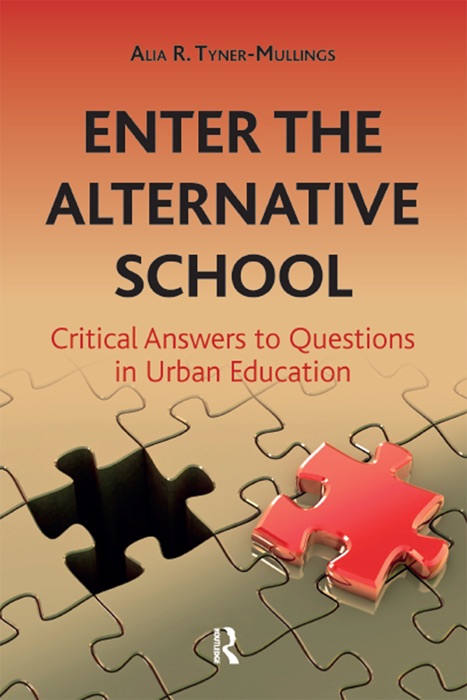
Alternative Schooling: A Critique
Introduction:
In recent years, alternative schooling has gained popularity as an alternative to traditional education. With its emphasis on personalized learning, creativity, and critical thinking skills, it offers a unique approach to education that resonates with many parents and students alike. However, despite its numerous advantages, alternative schooling also has its fair share of limitations and challenges. In this critique, we will explore the strengths and weaknesses of alternative schooling.
Strengths:
1. Personalized Learning:
One of the most significant advantages of alternative schooling is its focus on personalized learning. Unlike traditional schools that follow a one-size-fits-all curriculum, alternative schools tailor their teaching methods to meet individual student needs. This allows students to learn at their own pace and explore topics that interest them the most.
2. Creativity and Critical Thinking:
Alternative schools prioritize creativity and critical thinking skills by encouraging hands-on activities, problem-solving techniques, project-based learning approaches, and collaborative work among students. Such practices foster innovation and help develop essential skills needed in today’s rapidly changing world.
3. Flexibility:
Another strength lies in the flexibility offered by alternative schooling systems. They often provide more flexible schedules or offer online options for remote or non-traditional learners who may not thrive in a conventional classroom setting due to various reasons such as health concerns or personal circumstances.
4. Focus on Emotional Well-being:
Many alternative schools place a strong emphasis on fostering emotional well-being through mindfulness practices like meditation or yoga classes integrated into the curriculum as part of self-care routines for students’ mental health maintenance.
Weaknesses:
1. Limited Resources:
While some alternative schools manage to secure funding sufficient enough to provide quality resources for their students’ diverse needs (e.g., access to technology), others struggle due to limited financial support or lack of facilities necessary for comprehensive instruction across all areas of study.
2. Lack of Standardization:
The absence of standardized curricula and assessments in alternative schooling can be seen as both a strength and weakness. While it allows for flexibility, it also raises concerns about ensuring that students receive a well-rounded education that meets national standards. Without standardized testing, comparison of student achievement becomes challenging.
3. Socialization:
One common criticism leveled against alternative schools is the potential lack of socialization opportunities compared to traditional schools. While some alternative schools actively foster community engagement through field trips or collaborative projects, others may struggle to provide sufficient interaction among peers due to smaller class sizes or limited extracurricular offerings.
4. Accreditation and Recognition:
Alternative schools often face challenges when it comes to accreditation and recognition by higher education institutions or future employers. This can limit students’ options for college admissions or job prospects if their preferred post-secondary institution or employer is not familiar with the credibility of the alternative school they attended.
Conclusion:
Alternative schooling offers several strengths, such as personalized learning, creativity development, flexibility, and emotional well-being support for students. These aspects contribute positively to the educational experience and success of many students who thrive outside traditional educational systems. However, limitations concerning resources, standardization, socialization opportunities, and accreditation need addressing for further growth and acceptance within mainstream education. By recognizing these weaknesses and working collectively towards solutions, we can better enhance the potential benefits of alternative schooling while mitigating its shortcomings – ultimately providing more choices in education for all learners.
Disclaimer: The views expressed in this article are solely those of the author’s own critique based on research findings; individual experiences may vary depending on specific alternative school models implemented worldwide.
 Alternative Amie
Leave a comment